Worker Comfort vs Safety: Striking the Right Balance in FR Clothing
Published By Tara Safe, 3 Apr 2026
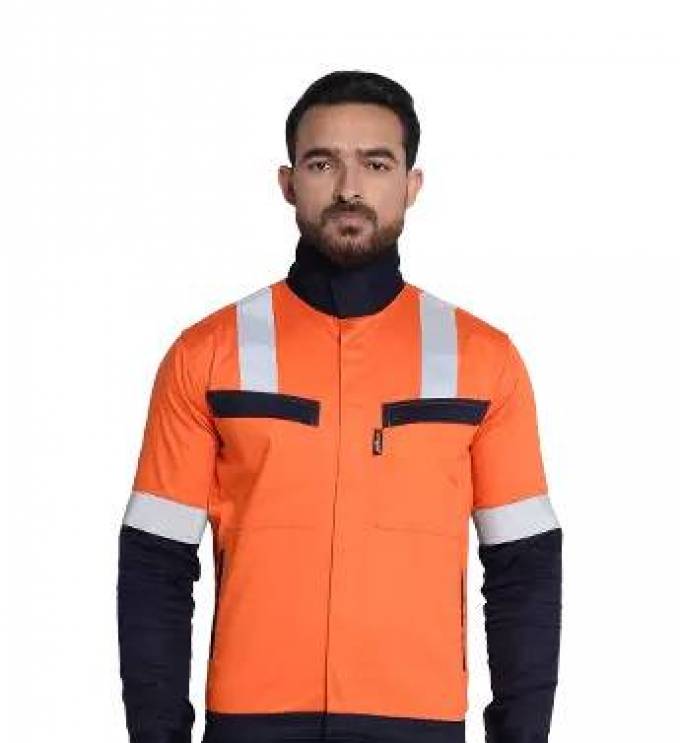
Flame-resistant (FR) clothing plays a critical role in protecting workers from hazards such as flash fires, arc flashes, and sudden heat exposure. However, one of the most persistent challenges across industries is balancing maximum protection with day-long comfort. If FR garments are uncomfortable, restrictive, or too hot, workers are less likely to wear them properly—defeating their very purpose.
Why Comfort Matters in Safety Gear
Traditionally, FR clothing has been designed with one primary goal: protection. While this remains non-negotiable, modern safety programs recognize that comfort directly influences compliance.
Workers operating in sectors like oil & gas, construction, manufacturing, and utilities often spend 8–12 hours in demanding environments. If their clothing:
- Causes overheating
- Restricts movement
- Feels heavy or stiff
- Irritates the skin
they are more likely to:
- Roll up sleeves
- Remove layers
- Avoid wearing PPE correctly
This creates a dangerous gap between intended safety and actual safety in practice.
The Core Conflict: Protection vs Wearability
At the heart of the issue lies a simple conflict:
- Higher protection often means thicker, heavier fabrics
- Greater comfort requires lighter, breathable materials
The challenge is to engineer garments that can do both—without compromising either side.
For example:
- Heavier fabrics provide better insulation from heat
- But they also trap body heat, increasing fatigue
On the other hand:
- Lightweight fabrics improve airflow
- But may reduce thermal protection if not designed properly
This is where advanced fabric technology and smart garment design come into play.
Key Factors That Influence Comfort in FR Clothing
1. Fabric Weight and Breathability
Fabric weight is one of the biggest contributors to comfort. Lightweight FR fabrics are easier to wear in hot climates, but must still meet safety standards.
Modern FR textiles are now engineered to:
- Allow better air circulation
- Wick moisture away from the skin
- Reduce heat buildup
This is especially important in regions with high temperatures and humidity, where heat stress is a serious concern.
2. Moisture Management and Heat Stress
Heat stress is a real risk when wearing protective clothing. FR garments that do not manage sweat effectively can lead to:
- Dehydration
- Reduced concentration
- Increased risk of accidents
Moisture-wicking fabrics help by:
- Pulling sweat away from the skin
- Allowing faster evaporation
- Keeping the body cooler
This improves both comfort and productivity.
3. Garment Fit and Ergonomics
Ill-fitting FR clothing can be just as problematic as low-quality fabric.
Poor fit can:
- Restrict movement
- Cause chafing
- Lead to improper usage
Modern FR clothing incorporates ergonomic design features such as:
- Articulated knees and elbows
- Gusseted underarms
- Adjustable cuffs and waistbands
A well-fitted garment ensures that workers can perform tasks efficiently without compromising safety.
4. Fabric Softness and Skin Feel
Older FR garments were often stiff and uncomfortable due to heavy chemical treatments. Today, improved fabric technologies offer:
- Softer textures
- Reduced skin irritation
- Better flexibility
Comfort at the skin level is crucial for long working hours, especially in physically demanding jobs.
5. Layering Systems
Instead of relying on a single heavy garment, many industries now adopt layered FR clothing systems.
Layering allows workers to:
- Adjust clothing based on temperature
- Maintain protection while improving comfort
- Reduce heat stress during peak conditions
A typical system may include:
- A lightweight base layer
- A protective outer layer
This approach provides both flexibility and safety.
Safety Cannot Be Compromised
While comfort is critical, it should never come at the expense of safety. FR clothing must meet established standards and provide reliable protection against workplace hazards.
Key safety considerations include:
- Resistance to ignition and flame spread
- Thermal insulation against heat exposure
- Durability under repeated use and washing
- Consistent performance over time
Organizations must ensure that all garments meet relevant safety certifications and are tested for real-world conditions.
The Role of Innovation in Bridging the Gap
Advancements in textile engineering are helping close the gap between comfort and protection.
1. Advanced Fiber Blends
Modern FR fabrics use blends of fibers that combine:
- Heat resistance
- Strength
- Flexibility
These blends provide protection without excessive weight.
2. Inherent vs Treated FR Fabrics
There are two main types of FR fabrics:
- Inherent FR fabrics: Protection is built into the fiber itself
- Treated FR fabrics: Chemical treatments are applied to standard fabrics
Inherent fabrics tend to:
- Maintain protection longer
- Offer better softness and comfort over time
However, both types have their place depending on the application and budget.
3. Ventilation and Design Enhancements
New garment designs include:
- Ventilated panels
- Strategic stitching for airflow
- Lightweight construction without compromising safety
These features significantly improve wearability in challenging environments.
Climate Considerations: A Critical Factor
In hot and humid regions, such as many parts of India, comfort becomes even more critical.
High temperatures combined with heavy PPE can lead to:
- Rapid fatigue
- Heat exhaustion
- Reduced efficiency
FR clothing designed for such climates must prioritize:
- Lightweight fabrics
- Breathability
- Sweat management
Ignoring climate conditions can lead to poor adoption and increased safety risks.
The Business Case for Comfortable FR Clothing
Investing in comfortable FR clothing is not just a worker welfare decision—it’s a smart business move.
Benefits include:
- Higher compliance rates
- Reduced workplace incidents
- Improved worker productivity
- Lower long-term costs due to fewer accidents
When workers are comfortable, they are more likely to wear PPE correctly and consistently.
Best Practices for Achieving the Right Balance
Organizations can take several steps to ensure both comfort and safety:
1. Involve Workers in Selection
Workers should be part of the decision-making process. Their feedback on comfort and usability is invaluable.
2. Conduct Wear Trials
Before large-scale procurement, test garments in real working conditions.
3. Focus on Total Cost, Not Just Price
Cheaper garments may compromise comfort, leading to poor compliance and higher hidden costs.
4. Regularly Review PPE Programs
Work environments and technologies evolve. PPE strategies should be updated accordingly.
5. Provide Training
Educate workers on:
- Proper usage
- Importance of compliance
- How comfort impacts safety
The debate between worker comfort and safety in FR clothing is no longer a trade-off—it is a design challenge that modern technology is increasingly solving.
True safety is achieved not just by providing protective gear, but by ensuring it is worn correctly, consistently, and comfortably. Organizations that recognize this will not only enhance worker well-being but also improve operational efficiency and safety outcomes.
In the end, the goal is simple:
Protect the worker—without making the protection a burden.


