What is the tissue preservation method in FUT Hair Transplant?
Published By Hassan Dynamic, 6 Apr 2026
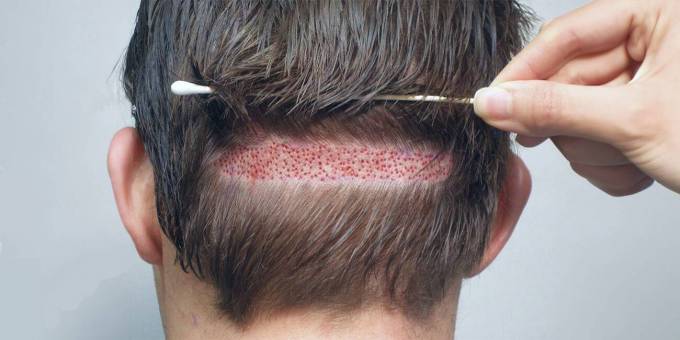
When considering options for hair restoration, understanding the tissue preservation method in FUT Hair Transplant is essential. This technique ensures the viability of hair follicles during transplantation, which directly affects the success rate of hair growth. For those exploring FUT Hair Transplant in Dubai, Dynamic Life Clinic offers advanced procedures that emphasize careful tissue handling to maximize results and reduce trauma to the grafts.
Understanding FUT Hair Transplant
Follicular Unit Transplantation (FUT) is a surgical method where a strip of scalp containing hair follicles is removed from the donor area, usually the back of the head. This strip is then meticulously divided into individual follicular units under a microscope. Unlike other hair transplant methods, FUT allows for a higher density of grafts in a single session, making tissue preservation critical for optimal outcomes.
Importance of Tissue Preservation
The success of a hair transplant largely depends on how well the hair follicles are preserved after extraction. During FUT, improper handling can damage follicles, reducing their survival rate and affecting the overall density and appearance of the transplanted area. Tissue preservation focuses on:
- Maintaining follicle vitality
- Preventing dehydration of grafts
- Minimizing mechanical stress during handling
- Reducing the risk of follicle death
Preserved tissue ensures that transplanted hair grows naturally and maintains the characteristics of the original hair, including texture and thickness.
Step-by-Step Tissue Preservation Process
The tissue preservation method in FUT Hair Transplant involves several precise steps:
- Immediate Placement in a Preservation Solution – Once the strip is extracted, it is immediately placed in a chilled solution rich in nutrients. This slows down metabolic activity and prevents follicle damage.
- Microscopic Dissection – Skilled technicians separate follicular units under a microscope, allowing for careful handling of each graft.
- Hydration and Temperature Control – Maintaining the right temperature prevents dehydration and ensures the grafts remain viable until implantation.
- Minimal Handling – Excessive manipulation can crush or damage follicles. Preservation emphasizes delicate handling during dissection and preparation.
These steps collectively enhance the survival rate of hair follicles, which translates into thicker, healthier hair growth after the procedure.
Tools and Solutions for Preservation
Advanced FUT procedures use specialized tools and solutions designed for tissue preservation:
- Hypothermic solutions – Keep the grafts at a low temperature to reduce metabolic activity.
- Nutrient-rich media – Provide essential minerals and compounds to maintain follicle health.
- Fine microinstruments – Prevent mechanical trauma during graft separation and implantation.
The combination of these tools and solutions ensures that the extracted tissue remains viable for longer periods, which is particularly important in large sessions or when transplanting multiple areas.
Benefits of Tissue Preservation in FUT
Proper tissue preservation during FUT Hair Transplant offers multiple advantages:
- Higher Graft Survival Rate – More follicles survive, resulting in fuller hair coverage.
- Natural Hair Growth Pattern – Preserved tissue maintains the original hair characteristics.
- Reduced Risk of Shock Loss – Minimizes the shedding of existing hair near the transplant site.
- Improved Healing – Careful handling reduces trauma, leading to faster recovery.
These benefits highlight why tissue preservation is considered a cornerstone of successful FUT procedures.
Factors Affecting Tissue Preservation
Several factors influence the effectiveness of tissue preservation in FUT Hair Transplant:
- Extraction Technique – The way the donor strip is removed impacts follicle integrity.
- Time Outside the Body – Prolonged exposure to air or improper solutions can harm follicles.
- Temperature Management – Grafts must be kept cool but not frozen.
- Technician Skill – Experienced hands ensure minimal handling and precise dissection.
Clinics that focus on these factors tend to achieve higher patient satisfaction and long-lasting results.
Choosing the Right FUT Hair Transplant Clinic
For those seeking FUT Hair Transplant in Dubai, selecting a clinic that prioritizes tissue preservation is crucial. A well-equipped facility with experienced staff ensures:
- Proper use of preservation solutions and instruments
- Skilled microscopic dissection of follicular units
- Consistent monitoring of graft temperature and hydration
- Personalized treatment planning based on hair density and scalp condition
Dynamic Life Clinic is one example of a clinic that emphasizes meticulous tissue handling, providing patients with a higher success rate and natural-looking outcomes.
Post-Transplant Care for Preserved Tissue
After the transplantation, the success of preserved tissue also depends on post-operative care:
- Avoid touching or scratching the grafted area
- Follow instructions for washing and cleaning the scalp
- Protect the scalp from direct sunlight for several weeks
- Use recommended topical solutions to support hair growth
Proper care ensures that the preserved tissue continues to thrive and develop into healthy, permanent hair.
Conclusion
The tissue preservation method in FUT Hair Transplant is a critical component that influences graft survival, hair density, and overall aesthetic outcomes. From careful extraction to temperature-controlled storage and precise microscopic dissection, every step is designed to maintain follicle viability. Clinics specializing in FUT Hair Transplant in Dubai with a focus on preservation techniques offer patients the best chance of achieving natural, long-lasting hair growth. Understanding these methods helps prospective patients make informed decisions and select a clinic that prioritizes both safety and results.


