What Is the Role of the Orbital Septum in Eyelid Surgery?
Published By Health Care, 12 Mar 2026
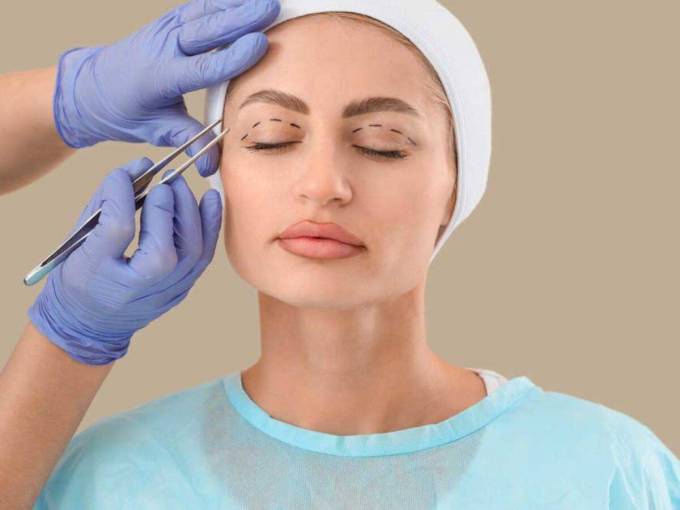
When considering eyelid surgery, understanding the anatomy of the eyelid is crucial. Among the various structures, the orbital septum plays a pivotal role in both the functional and aesthetic outcomes of eyelid surgery. For anyone planning Blepharoplasty in Dubai, knowing how this delicate structure impacts the procedure can help you make informed decisions, whether for cosmetic enhancements or reconstructive purposes.
Understanding the Orbital Septum
The orbital septum is a thin, fibrous membrane that extends from the orbital rim (the bone surrounding the eye) to the eyelids. It acts as a barrier, separating the eyelid tissue from the orbital contents, including fat, muscles, and connective tissue.
Key functions of the orbital septum include:
-
Protecting the eye: By acting as a physical barrier, it prevents orbital fat and other tissues from protruding into the eyelid area.
-
Maintaining eyelid contour: The septum helps support the natural shape and smoothness of the eyelids.
-
Influencing eyelid aging: Weakening of the septum over time can cause bulging fat pockets, leading to puffiness or a tired appearance.
For patients in Dubai seeking Blepharoplasty, the orbital septum’s condition is one of the most critical factors surgeons consider when planning a procedure.
The Orbital Septum and Eyelid Surgery
During eyelid surgery, the orbital septum is carefully assessed and, in some cases, modified to achieve the desired result. Its role is particularly significant in both upper and lower eyelid procedures.
Upper Eyelid Blepharoplasty
In upper eyelid surgery:
-
The orbital septum separates the eyelid skin and muscles from the orbital fat.
-
Surgeons may tighten or reposition the septum to prevent fat prolapse and create a more youthful eyelid contour.
-
Maintaining the integrity of the septum is essential to avoid complications like hollowing or excessive scarring.
Lower Eyelid Blepharoplasty
In lower eyelid procedures:
-
The orbital septum is often carefully opened or repositioned to smooth out under-eye bags caused by fat protrusion.
-
By managing the septum correctly, surgeons can reduce puffiness while preserving a natural transition between the eyelid and cheek.
-
Advanced techniques, such as septal reset or fat repositioning, rely on the septum’s flexibility to achieve balanced results.
Why the Orbital Septum Matters for Aging Eyes
The appearance of aging eyes is largely influenced by changes in the orbital septum. Over time, the septum may weaken, leading to:
-
Bulging fat pads: This causes puffiness and can make the eyes appear tired.
-
Skin laxity: As the septum loses tension, eyelid skin can sag, creating folds.
-
Under-eye hollows: Improper management of the septum can accentuate tear troughs and dark circles.
For anyone considering Blepharoplasty in Dubai, addressing these issues through septum-focused techniques ensures long-lasting, natural-looking results.
Surgical Techniques Involving the Orbital Septum
Modern eyelid surgery often focuses on a “less is more” approach, respecting the orbital septum while enhancing the eyelid’s appearance. Common approaches include:
-
Septum Tightening: Reinforces the support of the eyelid, preventing fat bulging.
-
Fat Repositioning: Instead of removing fat, it can be shifted to fill under-eye hollows, using the septum as a natural barrier.
-
Conservative Fat Removal: Small amounts of fat are removed to reduce puffiness without compromising the septum’s structural role.
-
Transconjunctival Approach: A technique where the incision is made inside the lower eyelid, minimizing disruption to the septum for a smoother recovery.
Benefits of Understanding the Orbital Septum in Blepharoplasty
A careful focus on the orbital septum offers several advantages:
-
Natural Results: Preserving and repositioning septum structures avoids a hollow or overdone look.
-
Enhanced Eye Contour: Proper management leads to smoother transitions and youthful eyelid shape.
-
Reduced Complications: Maintaining septum integrity decreases the risk of post-surgical issues like eyelid malposition or asymmetry.
-
Personalized Surgery: Surgeons can tailor procedures based on septum strength, fat distribution, and individual anatomy.
Preparing for Blepharoplasty in Dubai
If you are considering Blepharoplasty in Dubai, it is essential to understand how your orbital septum may influence your surgical outcome. A thorough consultation will typically involve:
-
Examination of eyelid structure and fat pockets.
-
Assessment of septum strength and eyelid laxity.
-
Discussion of desired cosmetic outcomes and surgical approach.
This careful preoperative evaluation ensures that both cosmetic and functional aspects of the eyelid are addressed.
Conclusion
The orbital septum is much more than a thin membrane in the eyelid—it is a key determinant of successful Blepharoplasty in Dubai. By protecting the eye, maintaining eyelid contour, and influencing the aging process, the septum plays a central role in achieving natural, long-lasting results. Whether for upper or lower eyelid surgery, understanding and managing the orbital septum ensures a balanced, rejuvenated appearance that enhances the eyes while preserving their natural function.
For residents and visitors in Dubai, being informed about the role of the orbital septum can help you make confident, educated decisions about your eyelid surgery journey.


