What Is The Role Of Imaging In Varicose Veins Treatment?
Published By Ahmad , 28 Jan 2026
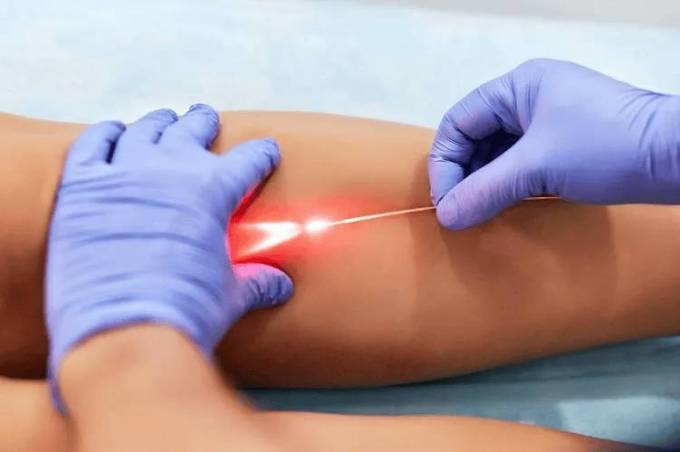
What Is The Role Of Imaging In Varicose Veins Treatment? This question is increasingly important as modern vein care focuses on accuracy, safety, and long-term results. Varicose Veins Treatment in Dubai relies heavily on advanced imaging to ensure that vein conditions are properly diagnosed and treated with precision, and centers such as Dynamic Life Clinic highlight imaging as a core part of contemporary care. Imaging allows specialists to look beneath the skin and understand the root cause of visible veins rather than only addressing surface-level symptoms.
Understanding Varicose Veins Beyond the Surface
Varicose veins develop due to faulty valves that disrupt normal blood flow, leading to pooling and vein enlargement. While the bulging veins may be visible, the underlying problem often lies deeper within the venous system. Imaging plays a critical role by revealing vein structure, blood flow direction, and areas of reflux that are not visible through physical examination alone.
Why Imaging Is Essential in Diagnosis
Accurate diagnosis is the foundation of effective treatment. Imaging allows healthcare providers to determine the exact cause and severity of venous disease before recommending any intervention. This approach reduces guesswork and ensures that treatment plans are based on objective findings rather than assumptions.
Common diagnostic goals of imaging include:
-
Identifying damaged or incompetent veins
-
Mapping blood flow patterns
-
Detecting deep vein involvement
-
Differentiating varicose veins from other vascular conditions
Types of Imaging Used in Varicose Veins Care
Several imaging techniques are used in modern vein management, with ultrasound being the most widely utilized. It provides real-time visualization of blood flow and vein function, making it especially useful for both diagnosis and procedural guidance.
Other imaging methods may be used in complex cases to gain additional anatomical detail, particularly when symptoms do not match surface findings or when previous treatments have been performed.
Imaging as a Guide for Treatment Planning
Imaging is not limited to diagnosis; it actively shapes the treatment strategy. By understanding which veins are affected and how blood flows through them, providers can select the most appropriate treatment approach. This tailored planning helps avoid unnecessary procedures and focuses care on veins that truly contribute to the condition.
In Varicose Veins Treatment in Dubai, imaging-guided planning supports personalized care that aligns with international standards and patient expectations.
Role of Imaging During Procedures
During minimally invasive vein treatments, imaging often guides each step of the procedure. Real-time visualization helps ensure accurate placement of instruments and targeted treatment of affected veins. This reduces the risk of complications and improves treatment precision without affecting surrounding healthy tissue.
Monitoring Progress and Long-Term Outcomes
Post-treatment imaging is equally important for evaluating success and long-term vein health. Follow-up scans help confirm that treated veins are properly closed and that blood flow has been redirected through healthy veins. Imaging also allows early detection of new or recurring vein issues, supporting proactive care.
Benefits of Imaging-Based Vein Management
Imaging-centered care offers several advantages for patients seeking advanced vein solutions:
-
Higher diagnostic accuracy
-
Customized treatment plans
-
Improved safety during procedures
-
Better long-term outcomes
These benefits align with evidence-based practice and contribute to patient trust and confidence.
Conclusion
Imaging has become an indispensable part of modern varicose vein care, transforming how vein conditions are diagnosed, treated, and monitored. In Varicose Veins Treatment in Dubai, imaging supports precise, patient-focused care that addresses the root cause of venous disease rather than only visible symptoms. By integrating advanced imaging into every stage of treatment, vein care continues to evolve toward safer, more effective, and more reliable outcomes.


