What is the recovery process after laser skin resurfacing treatment?
Published By Hassan Dynamic, 22 Apr 2026
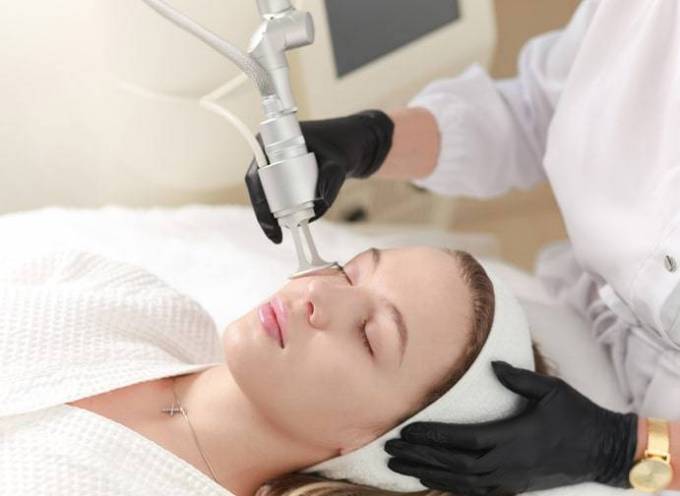
What is the recovery process after laser skin resurfacing treatment? is one of the most frequently asked questions by individuals considering skin rejuvenation procedures, especially those seeking clearer and smoother skin in a professional setting. When exploring laser skin resurfacing in dubai, patients often want to understand what happens after the procedure and how the skin gradually restores its natural texture and tone, particularly in climates like Dubai where sun exposure and heat can influence healing. In many cases, individuals also look for reliable dermatology insights, such as those shared through reputable aesthetic platforms and clinics like Dynamic Life Clinic, to better prepare for the post-treatment phase.
Understanding Laser Skin Resurfacing Recovery Timeline
Recovery after laser skin resurfacing does not follow a single fixed pattern, as it depends on the depth of treatment and the skin’s natural healing ability. The process generally unfolds in stages, starting with immediate redness and sensitivity, followed by gradual peeling and regeneration of new skin layers.
Superficial resurfacing treatments may involve a shorter recovery window, while deeper treatments require more time for full skin renewal. The skin goes through controlled damage and repair, which stimulates collagen production and improves texture over time, making patience an essential part of the journey.
First 24–48 Hours After Treatment
The initial phase is often the most sensitive, as the skin reacts to the laser energy. Redness, warmth, and a mild burning sensation are commonly experienced during this period. The skin may also appear swollen, especially around delicate areas such as the eyes and cheeks.
During this stage, the skin barrier is temporarily compromised, so hydration and protection become the main focus. Patients are usually advised to avoid touching the treated area and to follow a gentle skincare routine that supports moisture retention and prevents irritation.
Week One Healing Phase
The first week marks a noticeable transformation in the recovery process. The skin begins to form a thin protective layer as peeling and flaking become more visible. This is a natural part of the regeneration cycle where damaged skin cells shed to reveal fresher layers underneath.
Mild itching or tightness may occur as new skin develops. It is important not to pick or exfoliate the skin manually, as this can interfere with healing and increase the risk of uneven texture. The skin’s sensitivity to sunlight remains high during this phase, making protection essential even in short outdoor exposure.
Skin Care Practices That Support Healing
Proper skincare plays a significant role in recovery, helping the skin repair itself more efficiently while reducing discomfort. A gentle approach is always recommended, focusing on hydration and barrier support rather than active treatments or harsh ingredients.
Key supportive practices include:
- Using a mild, fragrance-free cleanser to avoid irritation
- Applying hydrating creams or ointments to maintain moisture
- Keeping the skin protected from direct sun exposure
- Avoiding exfoliants, acids, or retinol-based products
- Drinking enough water to support internal hydration
These steps help maintain a stable healing environment and reduce the likelihood of post-treatment complications.
Common Side Effects During Recovery
It is normal to experience temporary side effects after laser skin resurfacing, as the skin undergoes controlled regeneration. These effects vary depending on skin type and treatment intensity but are generally manageable with proper care.
Common effects include:
- Redness that gradually fades over several days
- Mild swelling, especially in sensitive facial areas
- Dryness or tight skin sensation
- Light peeling or flaking as new skin emerges
- Increased sensitivity to sunlight and skincare products
These responses are part of the skin’s natural repair mechanism and typically resolve as healing progresses.
Factors That Influence Recovery Speed
Several factors can affect how quickly the skin recovers after treatment. Individual skin characteristics play a major role, including skin type, age, and overall skin health. People with well-hydrated and well-maintained skin often experience smoother recovery.
The intensity of the laser treatment also influences healing time. Deeper resurfacing procedures require more recovery days compared to lighter treatments. Lifestyle habits such as smoking, hydration levels, and adherence to aftercare instructions can also impact the overall outcome. Environmental conditions, particularly sun exposure and heat, may further influence how the skin responds during recovery.
Tips for a Smooth Recovery in Dubai Climate
The climate in Dubai introduces unique considerations for post-laser skin care, especially due to high temperatures and strong UV exposure. Protecting the skin from environmental stress is essential to support optimal healing and prevent pigmentation issues.
Helpful recovery tips include:
- Limiting outdoor exposure during peak sunlight hours
- Wearing protective clothing and hats when stepping outside
- Using broad-spectrum sunscreen once the skin is ready for application
- Staying in cool, shaded environments as much as possible
- Keeping skin consistently hydrated to counter dryness from heat and air conditioning
These habits help maintain skin stability and support a more comfortable recovery experience in warm climates.
Conclusion
Recovery after laser skin resurfacing follows a structured healing process where the skin gradually transitions from sensitivity to renewed clarity and texture improvement. Each phase contributes to skin regeneration, requiring consistent care, protection, and patience. Environmental awareness, especially in regions like Dubai, plays an important role in achieving the best possible outcome while allowing the skin to restore its natural balance over time.


