What Is the Difference Between Gastric Bypass and Sleeve Surgery?
Published By Dynamic Clinic, 17 Feb 2026
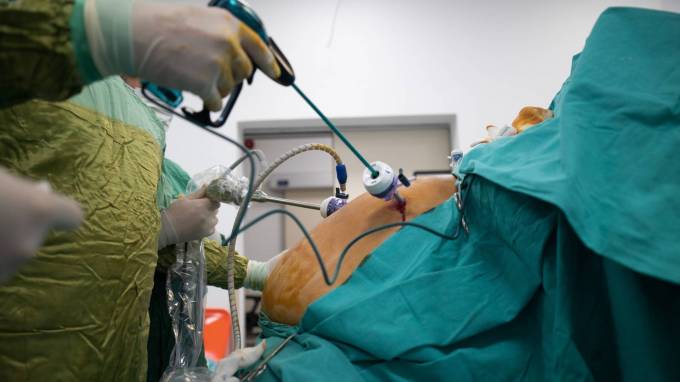
When researching What Is the Difference Between Gastric Bypass and Sleeve Surgery?, many patients exploring Bariatric Surgery in Dubai want a clear comparison that explains how each procedure works and which option may suit their health goals. Clinics such as Dynamic Clinic in Dubai frequently guide individuals through these choices, helping them understand the medical, lifestyle, and long-term factors involved in safe weight loss surgery.
Obesity is a complex medical condition that often requires more than diet and exercise alone. Surgical weight-loss procedures are designed to reduce food intake, influence hormones that regulate hunger, and support long-term metabolic improvements. Two of the most commonly performed procedures worldwide are gastric bypass and sleeve gastrectomy. While both are effective, they differ significantly in technique, digestive changes, and expected outcomes.
Understanding Gastric Bypass Surgery
Roux-en-Y gastric bypass, commonly known as gastric bypass, is both a restrictive and malabsorptive procedure. This means it reduces the size of the stomach and alters how nutrients are absorbed in the digestive tract.
During the procedure:
-
A small pouch is created at the top of the stomach
-
The small intestine is rerouted to connect directly to this pouch
-
A large portion of the stomach and part of the intestine are bypassed
Because food skips part of the digestive system, calorie absorption decreases. Additionally, hormonal changes often reduce hunger and improve blood sugar regulation, making it particularly beneficial for patients with type 2 diabetes or metabolic syndrome.
Understanding Sleeve Surgery
Sleeve gastrectomy, often called gastric sleeve surgery, is a restrictive procedure. It involves removing approximately 70–80% of the stomach, leaving behind a tube-shaped structure resembling a sleeve.
Key characteristics include:
-
No rerouting of the intestines
-
Reduced stomach capacity
-
Decreased production of hunger hormones such as ghrelin
Since the digestive tract remains intact, nutrient absorption continues normally. The primary mechanism of weight loss is reduced food intake combined with hormonal regulation that decreases appetite.
Surgical Technique: Structural Differences
The most noticeable difference between gastric bypass and sleeve surgery lies in how the digestive system is altered.
-
Gastric bypass changes both stomach size and intestinal pathway
-
Sleeve surgery changes only stomach size
Because gastric bypass involves intestinal rerouting, it is technically more complex. Sleeve surgery is generally considered less intricate since it does not modify the intestines. These structural differences influence recovery, nutritional considerations, and long-term management.
Weight Loss Outcomes
Both procedures support substantial and sustained weight loss when combined with lifestyle adjustments.
-
Gastric bypass may lead to slightly higher average excess weight loss
-
Sleeve surgery provides consistent, steady weight reduction
-
Both procedures improve obesity-related conditions
For individuals in Dubai considering Bariatric Surgery in Dubai, the choice often depends on medical history, body mass index (BMI), and existing health concerns rather than weight loss expectations alone.
Impact on Medical Conditions
Metabolic improvements are a major reason patients pursue surgery.
Gastric bypass is often recommended for:
-
Type 2 diabetes
-
Severe acid reflux
-
High cholesterol
Sleeve surgery may be suitable for:
-
Patients seeking a less complex procedure
-
Individuals without severe reflux
-
Those preferring fewer long-term absorption concerns
The hormonal impact of gastric bypass can lead to faster diabetes remission in some patients, while sleeve surgery also provides meaningful metabolic improvements.
Nutritional Considerations
Because gastric bypass reduces nutrient absorption, patients typically require lifelong vitamin and mineral supplementation. Iron, vitamin B12, calcium, and folate levels must be monitored regularly.
Sleeve surgery patients also need supplementation, but the risk of severe malabsorption is generally lower. Regular follow-ups and balanced dietary planning remain essential for both procedures.
Recovery and Lifestyle Adjustments
Post-surgical recovery timelines are similar, though gastric bypass may involve a slightly longer adjustment period due to its complexity.
Patients undergoing either procedure must:
-
Follow staged dietary progression
-
Adopt protein-focused meals
-
Stay hydrated
-
Commit to regular physical activity
-
Attend scheduled medical follow-ups
Long-term success depends more on consistent lifestyle changes than on the procedure itself.
Who Is a Suitable Candidate?
Eligibility for Bariatric Surgery in Dubai typically depends on:
-
BMI criteria
-
Obesity-related health conditions
-
Previous weight-loss attempts
-
Psychological readiness
A comprehensive evaluation ensures the chosen procedure aligns with medical needs and personal goals.
Conclusion
Understanding What Is the Difference Between Gastric Bypass and Sleeve Surgery? helps patients make informed decisions about their weight-loss journey. Gastric bypass alters both stomach size and nutrient absorption, while sleeve surgery reduces stomach volume without intestinal rerouting. Each procedure offers distinct advantages, and the most appropriate option depends on individual health status, lifestyle, and long-term commitment to change.


