What Is Cellulite Treatment Targeting Structurally?
Published By Hassan Dynamic, 29 Apr 2026
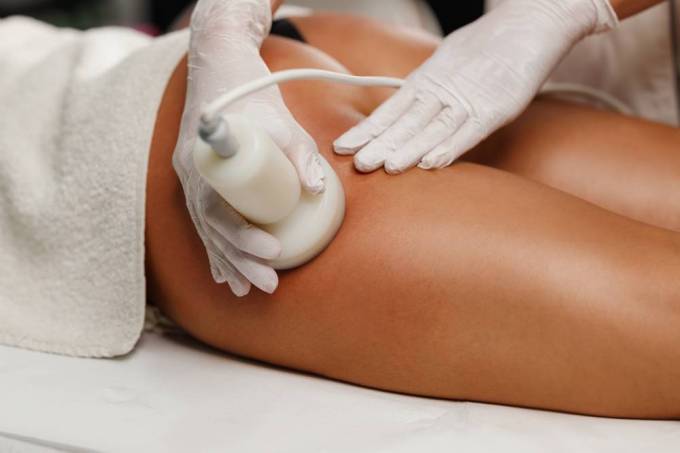
What Is Cellulite Treatment Targeting Structurally refers to advanced methods designed to address the deeper causes of cellulite rather than only the surface appearance. It focuses on the fibrous bands, fat distribution, and skin structure that create the dimpled texture commonly seen on thighs, hips, and buttocks. Cellulite treatment Dubai is increasingly sought by individuals who want noticeable skin smoothing with long-term improvement instead of temporary surface-level results. In Dubai, modern aesthetic approaches are widely available, including options explored at Dynamic Life Clinic, where structural skin concerns are evaluated with a comprehensive perspective.
Understanding Cellulite From a Structural Perspective
Cellulite is not simply a layer of fat beneath the skin; it is a structural condition involving connective tissue, fat cells, and skin elasticity. The fibrous septae beneath the skin pull downward while fat cells push upward, creating the uneven, dimpled appearance. This interaction is why cellulite is common even among individuals with healthy body weight.
From a structural standpoint, the skin is made up of three key layers:
- Epidermis (outer layer)
- Dermis (middle layer)
- Subcutaneous fat layer (deep layer)
Cellulite forms when the connective tissue bands in the deeper layer become rigid or uneven, disrupting the smooth alignment of the skin above.
How Structural Cellulite Treatments Work
Structural cellulite treatments aim to target the root cause by focusing on connective tissue remodeling, fat distribution, and skin tightening. Instead of masking the surface, these methods work on releasing tension within fibrous bands and improving circulation in affected areas.
These treatments typically focus on:
- Breaking down tight fibrous septae
- Stimulating collagen production for stronger skin support
- Improving lymphatic drainage to reduce fluid retention
- Enhancing blood circulation in deeper skin layers
By addressing these underlying issues, the skin gradually appears smoother and more even in texture.
Key Techniques Used in Structural Cellulite Treatments
Modern structural cellulite treatments combine several technologies and manual approaches to achieve visible improvement. Each method works differently, but the goal remains the same—restructuring the underlying causes of cellulite.
Common techniques include:
- Subcision-based methods
These target fibrous bands that pull the skin downward, releasing tension and allowing the skin to lift naturally. - Radiofrequency therapy
Heat energy is used to stimulate collagen and tighten the skin, improving elasticity and firmness over time. - Laser-assisted procedures
Laser energy helps break fibrous structures while promoting skin regeneration and collagen remodeling. - Mechanical massage techniques
Deep tissue stimulation encourages lymphatic drainage and improves circulation in affected areas. - Ultrasound-based treatments
Focused energy penetrates deeper layers to target fat cells and improve tissue structure.
Each technique may be used alone or in combination depending on skin condition and severity of cellulite.
Who Benefits Most from Structural Cellulite Solutions
Structural cellulite treatments are suitable for individuals who notice persistent skin dimpling that does not respond well to exercise or lifestyle changes alone. Since cellulite is influenced by genetics, hormones, and connective tissue structure, it can appear in people of different body types.
These treatments are often considered by individuals who:
- Experience moderate to severe skin dimpling
- Notice uneven skin texture on thighs, hips, or buttocks
- Want long-term improvement rather than temporary smoothing
- Prefer targeted aesthetic solutions based on skin structure
They are also beneficial for those who want to improve skin firmness while maintaining natural body contours.
What to Expect From the Treatment Process
Structural cellulite treatment is typically a progressive process rather than a single-session solution. The approach focuses on gradual improvement as the skin adapts to internal changes in collagen structure and tissue alignment.
During the process:
- A detailed assessment of skin condition is usually performed first
- Treatment sessions are scheduled based on the chosen technique
- Mild sensations such as warmth or pressure may be experienced
- The skin gradually becomes smoother as collagen remodeling continues
Consistency plays an important role, as structural changes occur beneath the surface over time rather than instantly.
Supporting Lifestyle Factors for Better Results
While structural treatments work on deeper layers of the skin, lifestyle habits can significantly influence overall results. Supporting the skin from within helps maintain improvements and enhances treatment effectiveness.
Helpful lifestyle practices include:
- Staying well hydrated to support skin elasticity
- Engaging in regular physical activity to improve circulation
- Eating a balanced diet rich in antioxidants and protein
- Reducing prolonged sitting to encourage healthy blood flow
- Maintaining stable body weight to avoid fat cell expansion
These factors do not replace structural treatments but enhance their effectiveness and longevity.
Conclusion
Structural cellulite treatment focuses on addressing the deeper anatomical causes of uneven skin texture rather than surface-level masking. By targeting fibrous bands, improving collagen production, and enhancing circulation, these treatments aim to restore smoother and more even-looking skin. In aesthetic-focused regions like Dubai, advanced techniques continue to evolve, offering individuals more refined options for long-term skin improvement.


