What happens during dental calculus removal treatment?
Published By Ahmad , 27 Feb 2026
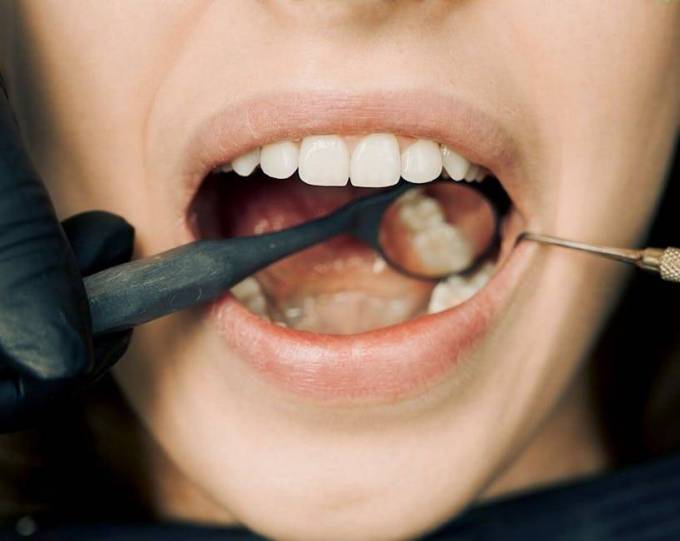
Maintaining optimal oral health requires more than just regular brushing and flossing. Dental calculus, commonly known as tartar, can accumulate over time and lead to gum problems, bad breath, and tooth decay. For residents seeking Dental Calculus removal Treatment in Dubai, Dynamic Life Clinics provides professional care that ensures teeth are cleaned safely and effectively while protecting the surrounding gums. Understanding the treatment process helps patients feel prepared and confident before their appointment.
Understanding Dental Calculus
Dental calculus is hardened plaque that forms when oral bacteria mix with minerals in saliva. Unlike soft plaque, calculus cannot be removed through routine brushing or flossing. Its presence can irritate the gums, causing inflammation and increasing the risk of periodontal disease. Over time, calculus can accumulate along the gum line and between teeth, creating areas where bacteria thrive, making professional removal necessary.
The Initial Consultation and Assessment
Before starting any procedure, dental professionals conduct a thorough oral examination. This step ensures the dentist can identify the areas affected by calculus, assess gum health, and determine the most appropriate treatment approach. X-rays may sometimes be taken to evaluate the extent of build-up beneath the gums. The consultation also allows patients to ask questions and understand what to expect during the treatment.
Key Points During Assessment:
Oral examination of teeth and gums
X-ray imaging if required
Discussion of oral hygiene habits
Personalized treatment plan
Preparation for the Procedure
Once the dentist has assessed the mouth, preparation begins. This may include rinsing with an antimicrobial mouthwash to reduce bacteria and protect the gums. The patient is comfortably positioned, and in some cases, local anesthesia may be applied if sensitive areas require deeper cleaning. Ensuring patient comfort is a priority, as dental calculus removal can sometimes involve scraping areas near sensitive gum tissue.
Tools and Techniques Used
Dental calculus removal involves specialized instruments designed to remove hardened deposits safely. There are two main approaches:
Manual Scaling:
Dentists use hand-held tools called scalers to scrape away calculus from teeth surfaces and gum lines. This method allows precise control and is effective for smaller deposits.Ultrasonic Scaling:
This technique uses ultrasonic vibrations to break down calculus while simultaneously flushing the area with water. Ultrasonic scaling is particularly efficient for larger or more stubborn deposits and reduces treatment time.
Some practitioners combine both methods to ensure all calculus is thoroughly removed, especially in hard-to-reach areas.
Step-by-Step Procedure
The dental calculus removal process typically follows these stages:
Assessment of affected areas
Application of topical anesthetic if necessary
Manual or ultrasonic scaling
Polishing the teeth to smooth surfaces and remove any residual plaque
Flushing with an antimicrobial rinse to reduce bacterial presence
During the procedure, patients may feel vibrations or mild scraping, but discomfort is usually minimal. Professional dentists ensure the procedure is thorough yet gentle, focusing on preventing gum injury.
Post-Treatment Care and Recommendations
After calculus removal, the teeth may feel smoother, and gums often feel less irritated. However, proper post-treatment care is essential to maintain oral health and prevent rapid re-accumulation of calculus. Recommended steps include:
Brushing at least twice daily with fluoride toothpaste
Daily flossing to remove plaque from between teeth
Using an antiseptic mouthwash to minimize bacteria
Scheduling regular dental check-ups every 6 months
Patients may notice slight sensitivity or mild gum irritation immediately following the procedure, which usually resolves within a few days.
Benefits of Dental Calculus Removal
Professional removal of dental calculus offers several benefits beyond cosmetic improvement:
Reduced risk of gum disease and inflammation
Prevention of tooth decay and cavities
Fresher breath and improved oral hygiene
Healthier gums that support long-term dental stability
Consistent dental care combined with professional calculus removal promotes a healthier mouth, reducing the likelihood of complex dental issues in the future.
When to Seek Treatment
Dental professionals recommend seeking calculus removal when:
You notice a yellow or brown deposit along the gum line
Gums bleed during brushing or flossing
Persistent bad breath occurs despite regular cleaning
Routine dental check-ups reveal plaque hardening into calculus
Early intervention prevents extensive gum damage and supports overall oral health.
Conclusion
Dental calculus removal is a routine yet essential treatment for maintaining strong, healthy teeth and gums. Through thorough assessment, skilled use of manual and ultrasonic tools, and personalized post-care guidance, patients in Dubai can achieve effective results safely. Scheduling regular check-ups and maintaining diligent oral hygiene ensures that dental calculus is managed proactively, preserving both dental health and confidence in your smile. Professional services such as Dental Calculus removal Treatment in Dubai at Dynamic Life Clinics offer a reliable solution for anyone seeking expert care in a comfortable setting.


