What Fibrosis Means After FUT Hair Transplant?
Published By Hassan Dynamic, 24 Mar 2026
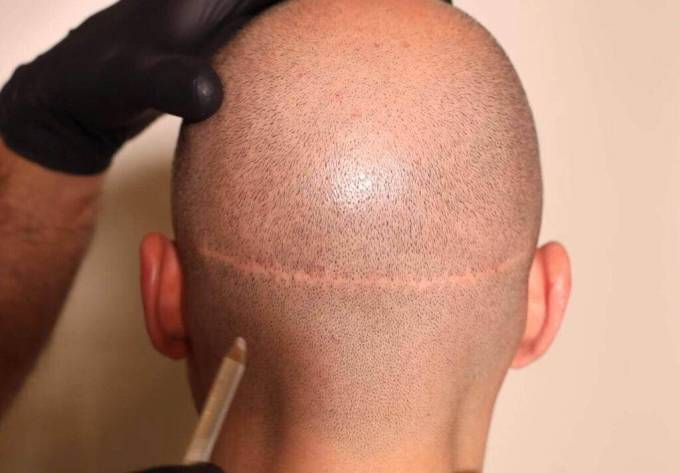
Understanding fibrosis after a FUT Hair Transplant is essential for anyone considering this advanced hair restoration procedure. Patients searching for FUT Hair Transplant in Dubai often want to know how post-operative changes like fibrosis can affect their results. Clinics like Dynamic Clinic in Dubai emphasize careful monitoring to minimize complications and ensure natural-looking outcomes.
Fibrosis refers to the formation of excess fibrous connective tissue at the donor site after a FUT procedure. This tissue forms as part of the body’s natural healing response, but excessive fibrosis can affect scalp elasticity, hair growth, and overall aesthetic results. Awareness of fibrosis and how to manage it helps patients maintain optimal outcomes after a hair transplant.
What Causes Fibrosis After FUT Hair Transplant
Fibrosis occurs as a result of the body’s normal wound-healing process. During FUT, a strip of scalp is removed from the donor area, usually at the back of the head. This triggers the following responses:
- Collagen deposition: Fibroblasts produce collagen to repair the incision site, which can create a dense scar.
- Inflammation: Local inflammation supports healing but can sometimes lead to excessive tissue formation.
- Tension at the donor site: Closing the incision under tension may increase fibrotic tissue.
- Individual healing tendencies: Genetic factors and skin type influence how much fibrosis develops.
While mild fibrosis is common and generally harmless, severe fibrosis may reduce donor scalp flexibility and impact graft extraction in future procedures.
Recognizing Fibrosis: Signs and Symptoms
Knowing how to identify fibrosis early can prevent complications and ensure better hair transplant results. Common signs include:
- Firm or hard tissue at the donor area
- Slightly raised or thickened scar line
- Reduced scalp elasticity in the affected region
- Mild discomfort or tightness during scalp movement
Patients who notice persistent hardness or irregularities at the donor site should consult their clinic for an evaluation. Early intervention can improve outcomes and prevent excessive scar tissue from affecting hair growth.
Impact of Fibrosis on Hair Transplant Results
Fibrosis can influence both the aesthetic and functional aspects of a FUT Hair Transplant:
- Hair growth density: Excess fibrous tissue may reduce the number of viable hair follicles that can be transplanted from the donor area.
- Scar appearance: Thickened fibrosis can make the linear scar more visible, especially with short hairstyles.
- Future procedures: Dense fibrosis complicates subsequent hair transplants, requiring more precise extraction techniques.
- Scalp mobility: Reduced flexibility can affect graft placement and the overall contour of the scalp.
Understanding these effects helps patients plan realistic expectations for their hair restoration journey.
Strategies to Manage Fibrosis
Proper post-operative care and professional monitoring are key to minimizing fibrosis. Strategies include:
- Gentle massage therapy: Lightly massaging the donor site can improve blood flow and tissue remodeling.
- Topical treatments: Certain silicone gels or scar creams may help reduce fibrotic tissue formation.
- Medical interventions: In some cases, corticosteroid injections can soften thickened scars.
- Surgical adjustments: During follow-up FUT or FUE procedures, surgeons can carefully manage fibrotic tissue to prevent complications.
These measures are most effective when implemented early and under professional guidance.
Preventing Fibrosis in FUT Hair Transplant
Prevention is often better than treatment. Patients can reduce the risk of significant fibrosis by:
- Choosing an experienced FUT surgeon with precise incision techniques
- Following post-operative care instructions closely
- Avoiding excessive tension or pressure on the donor area
- Maintaining overall scalp health through nutrition and hydration
Proper planning and careful execution of the procedure play a critical role in limiting fibrotic development.
When to Seek Professional Help
Not all fibrosis requires intervention, but certain situations warrant professional assessment:
- Scar tissue becomes increasingly firm or painful
- Visible irregularities appear along the donor line
- Hair growth from the donor site is compromised
- Planning for a secondary hair transplant where dense fibrosis may affect graft extraction
A qualified hair transplant clinic in Dubai can evaluate the donor area and recommend suitable treatments to address fibrosis safely.
Conclusion
Fibrosis after a FUT Hair Transplant is a natural part of the healing process but requires awareness and proper care. Understanding its causes, signs, and impact helps patients manage expectations and maintain optimal results. By following post-operative guidelines, monitoring the donor area, and consulting experts when necessary, fibrosis can be effectively managed, ensuring a smooth recovery and lasting hair restoration outcomes.


