What does the ear surgery recovery process typically involve medically?
Published By Ahmad , 20 Feb 2026
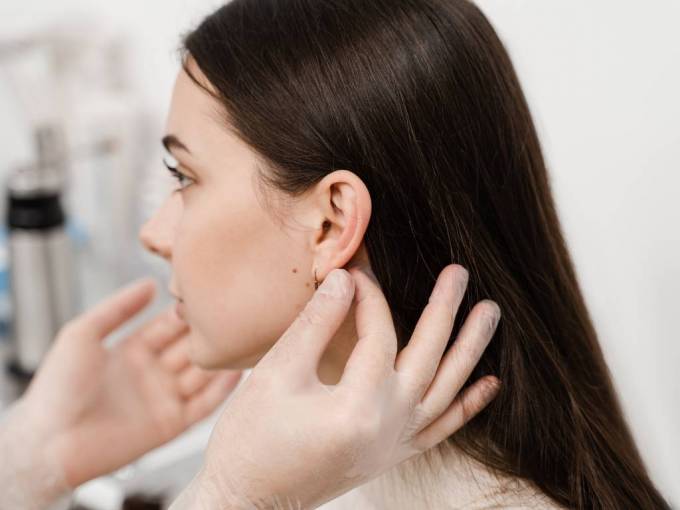
Undergoing ear surgery is a significant step towards improving hearing, correcting deformities, or addressing chronic ear issues. Understanding what the ear surgery recovery process typically involves medically is essential for patients to set realistic expectations and ensure proper healing. For those seeking Ear Surgery in Dubai, Dynamic Life Clinics offers comprehensive guidance and advanced care to support patients throughout recovery.
Initial Recovery Stage: First 24 to 48 Hours
The immediate period after ear surgery is crucial for preventing complications and promoting healing. During this stage:
-
Patients are usually monitored for any adverse reactions to anesthesia.
-
Mild pain, swelling, and discomfort around the surgical site are common.
-
Bandages or ear dressings are applied to protect the operated area and prevent infection.
-
Doctors may prescribe pain relief medication and antibiotics to reduce the risk of post-surgical infections.
-
Rest is strongly advised, with limited movement or pressure around the ear.
Managing Pain and Swelling
Pain management is a key part of the ear surgery recovery process. Patients often experience:
-
Mild to moderate discomfort, which is typically managed with prescribed analgesics.
-
Swelling or bruising around the ear, which can be alleviated by elevating the head while resting and applying cold compresses as recommended by the surgeon.
-
Avoiding strenuous activity during the first week to prevent increased swelling or bleeding.
Wound Care and Dressing Changes
Proper wound care is vital to avoid complications during recovery. This includes:
-
Keeping surgical dressings dry and intact until the first follow-up visit.
-
Cleaning the area gently, as instructed by medical staff, using sterile solutions if necessary.
-
Watching for signs of infection, such as redness, unusual discharge, or persistent pain, and reporting them immediately.
Follow-Up Appointments
Scheduled follow-ups are an essential component of the recovery process, helping doctors assess healing progress and prevent complications:
-
Initial check-ups often occur within the first week after surgery.
-
Surgeons examine the ear for swelling, proper alignment, and signs of infection.
-
Sutures or ear splints may be removed during these visits, depending on the type of procedure performed.
-
Follow-ups continue at regular intervals to ensure long-term recovery is progressing as expected.
Hearing and Sensory Adjustments
Post-surgery, patients may notice temporary changes in hearing or ear sensation:
-
Mild ringing in the ear (tinnitus) or altered hearing may occur but usually resolves gradually.
-
Sensitivity around the surgical area is normal and decreases over time.
-
Patients are advised to avoid inserting objects into the ear or exposure to loud noises during the healing phase.
Activity Restrictions and Lifestyle Adjustments
Adhering to recommended activity restrictions accelerates recovery and reduces the risk of complications:
-
Avoid swimming or submerging the ear in water for at least a few weeks.
-
Limit bending, heavy lifting, or high-intensity exercise during the early stages.
-
Sleep with the head elevated to minimize swelling and discomfort.
-
Avoid sleeping on the operated ear until fully healed, as pressure may interfere with recovery.
Nutrition and Hydration for Healing
Optimal recovery is supported by proper nutrition and hydration:
-
A balanced diet rich in proteins, vitamins, and minerals can aid tissue repair.
-
Staying hydrated helps reduce swelling and supports overall healing.
-
Avoiding excessive salt or caffeine may help prevent increased fluid retention around the surgical site.
Long-Term Recovery Considerations
Recovery from ear surgery extends beyond the initial weeks and involves gradual adaptation:
-
Swelling and minor discomfort can persist for several weeks, but significant improvements are expected within 4 to 6 weeks.
-
Scar tissue continues to mature over months, and the ear’s final appearance and function may take time to stabilize.
-
Regular monitoring ensures that any long-term complications, such as infections or cartilage issues, are addressed promptly.
Psychological and Emotional Adjustment
Medical recovery also involves psychological adaptation, particularly after cosmetic or corrective procedures:
-
Patients may experience temporary self-consciousness or anxiety about their appearance.
-
Support from family, friends, and medical professionals can help ease emotional stress.
-
Maintaining realistic expectations and understanding the gradual nature of healing improves overall satisfaction with the results.
Tips for a Smooth Recovery
To facilitate an efficient and complication-free recovery:
-
Follow all post-operative instructions provided by your surgeon meticulously.
-
Attend every scheduled follow-up appointment.
-
Report unusual pain, discharge, or changes in hearing immediately.
-
Avoid direct sun exposure or trauma to the ear.
-
Be patient with the recovery timeline, as ear tissues heal gradually.
Conclusion
The medical recovery process after ear surgery is comprehensive, involving careful monitoring, pain management, wound care, and lifestyle adjustments. Patients in Dubai seeking Ear Surgery benefit from understanding each stage of recovery, adhering to medical advice, and taking proactive steps to support healing. With the right care, most patients can expect a smooth recovery and successful long-term results.


