What Does Surgical Scar Revision Entail for Mature Scars?
Published By Health Care, 30 Mar 2026
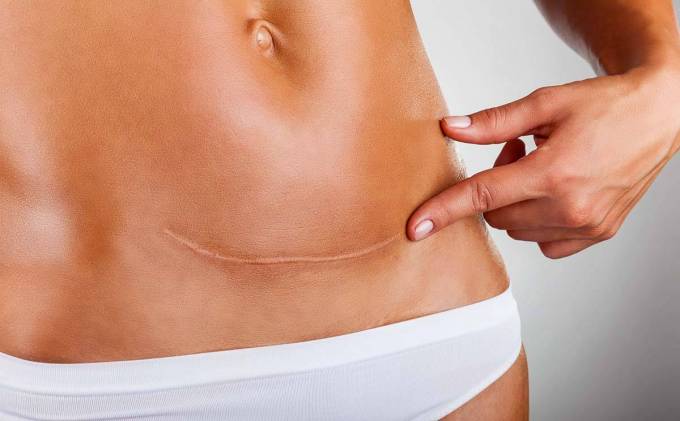
Scars are a natural part of the body’s healing process, but not all scars heal in a visually or functionally ideal way. Over time, some scars become thick, raised, discolored, or stretched—commonly referred to as mature scars. For individuals seeking to improve the appearance or function of such scars, Surgical Scar Revision in Dubai has become an increasingly considered option.
This article explores what surgical scar revision involves, how it works, who it is suitable for, and what to expect from the process.
Understanding Mature Scars
Mature scars are fully healed scars that have gone through the body’s natural remodeling phase, which can take several months to a year or more. Unlike fresh scars, mature scars are stable and no longer undergoing significant biological changes.
Common types of mature scars include:
- Hypertrophic scars (raised but confined to the wound area)
- Keloid scars (overgrown scar tissue extending beyond the original injury)
- Contracture scars (tightened scars that may restrict movement)
- Discolored or uneven scars
- Wide or stretched scars
These scars may result from surgery, injuries, burns, or acne, and while some fade over time, others remain prominent.
What Is Surgical Scar Revision?
Surgical scar revision is a medical procedure aimed at improving the appearance, texture, or function of a scar. It does not completely erase a scar but modifies it to make it less noticeable and more aligned with the surrounding skin.
The goal of Surgical Scar Revision in Dubai is to:
- Improve cosmetic appearance
- Reduce scar visibility
- Restore skin function if movement is restricted
- Align scars with natural skin lines for better blending
How Surgical Scar Revision Works
The approach to scar revision depends on the type, size, and location of the scar. A personalized treatment plan is typically developed based on an individual assessment.
Common surgical techniques include:
1. Excision and Re-Closure
The scar tissue is surgically removed, and the wound is carefully closed using advanced suturing techniques. This helps create a thinner, more refined scar.
2. Z-Plasty or W-Plasty
These are specialized techniques used to reposition scars along natural skin creases or break up a straight scar line into a more irregular pattern, making it less noticeable.
3. Skin Grafting
In cases where a large area of scar tissue is removed, a skin graft may be used to cover the area with healthy skin taken from another part of the body.
4. Tissue Rearrangement
Adjacent tissue may be repositioned to improve both the function and appearance of the affected area, especially in scars that limit movement.
Who Is a Suitable Candidate?
Not everyone with a mature scar requires surgical intervention. Ideal candidates for scar revision typically include individuals who:
- Have scars that are visibly prominent or disfiguring
- Experience discomfort, tightness, or restricted movement due to scars
- Have realistic expectations about the outcomes
- Are in good general health
- Do not have active skin infections or conditions affecting wound healing
A thorough evaluation is essential to determine whether surgical scar revision is appropriate or if non-surgical alternatives may be more suitable.
What to Expect During the Procedure
Surgical scar revision is usually performed under local or general anesthesia, depending on the complexity of the case. The procedure involves several steps:
- Preparation and marking of the scar area
- Administration of anesthesia
- Surgical removal or modification of the scar tissue
- Careful closure of the incision using fine sutures
- Application of dressings to protect the treated area
The duration of the procedure varies depending on the size and type of the scar.
Recovery and Aftercare
Recovery after scar revision is generally manageable, though it requires proper care to ensure optimal healing. Patients may experience mild swelling, redness, or discomfort in the treated area during the initial days.
Post-procedure care may include:
- Keeping the wound clean and dry
- Following wound care instructions carefully
- Avoiding strenuous activities for a certain period
- Attending follow-up appointments for monitoring healing progress
- Protecting the area from sun exposure to prevent pigmentation changes
Healing continues over several weeks to months, and the final appearance of the revised scar improves gradually over time.
Expected Results
While surgical scar revision can significantly improve the appearance of a scar, it is important to maintain realistic expectations. The outcome depends on factors such as skin type, scar characteristics, and individual healing response.
In many cases, the revised scar becomes:
- Flatter and smoother
- Less noticeable in color and texture
- Better aligned with natural skin lines
Although a completely invisible scar is not achievable, the improvement can be substantial.
Benefits of Surgical Scar Revision
Some of the key advantages include:
- Enhanced cosmetic appearance
- Improved confidence and self-esteem
- Relief from discomfort or tightness
- Better skin mobility in areas affected by contractures
- Long-term improvement in scar visibility
Considerations Before Choosing Scar Revision
Before opting for Surgical Scar Revision in Dubai, individuals should consider:
- The timing of the procedure (mature scars are generally more suitable)
- The nature and severity of the scar
- Healing capacity of the skin
- Commitment to post-procedure care
- Possibility of multiple treatments in complex cases
A careful evaluation helps ensure that expectations align with achievable outcomes.
Conclusion
Surgical scar revision is a refined and effective approach for improving the appearance and functionality of mature scars. By reshaping or removing scar tissue and optimizing how the skin heals, the procedure can make scars less noticeable and more aesthetically pleasing.
For individuals considering Surgical Scar Revision in Dubai, understanding the process, recovery, and realistic outcomes is essential in making an informed decision. With proper planning and care, scar revision can provide meaningful improvements in both appearance and comfort, helping individuals feel more confident in their skin.


