What Does Double Chin Liposuction Target Anatomically?
Published By Health Care, 2 Apr 2026
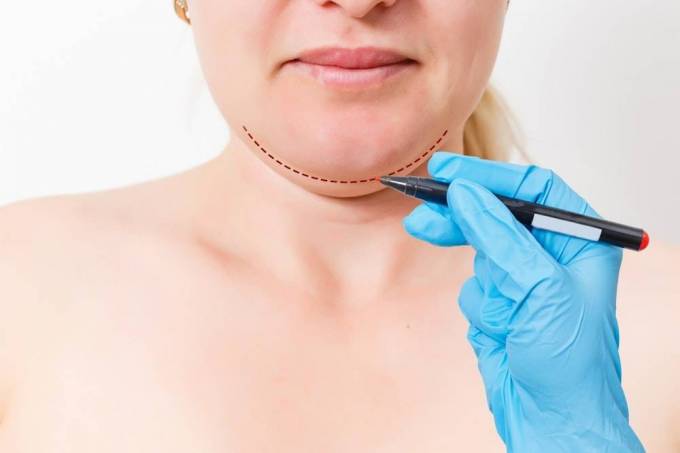
A well-defined jawline is often associated with youthfulness and facial harmony. However, excess fat beneath the chin—commonly referred to as a “double chin”—can obscure natural contours regardless of body weight or age. For individuals exploring aesthetic enhancement options, Double Chin Liposuction in Dubai has become a widely discussed solution. Understanding what this procedure targets anatomically is key to setting realistic expectations and appreciating how it refines the lower face.
Understanding the Anatomy of a Double Chin
A double chin is not always caused by excess body fat alone. Instead, it is often the result of a combination of anatomical factors, including:
- Submental fat accumulation (fat located directly under the chin)
- Skin laxity or reduced elasticity
- Muscle structure of the neck
- Position of the hyoid bone
- Genetic predisposition
- Age-related changes
Each of these elements contributes differently to the appearance of fullness beneath the chin. Liposuction specifically targets one primary component: localized fat deposits.
What Double Chin Liposuction Specifically Targets
Double chin liposuction is a focused cosmetic procedure designed to remove excess fat from the submental region. Anatomically, it addresses the superficial fat layer beneath the skin, rather than deeper structural components such as muscles or bone.
1. Subcutaneous Fat Layer
The primary target of the procedure is the subcutaneous adipose tissue located just under the skin in the chin and upper neck area. This fat layer sits above the platysma muscle and is responsible for fullness under the chin.
By removing this fat, the procedure helps:
- Reduce the appearance of a double chin
- Improve the contour of the jawline
- Enhance the transition between the chin and neck
2. Submental Fat Pad
Within the subcutaneous layer, the submental fat pad is the most prominent area treated. This localized fat deposit is often resistant to diet and exercise, making it a common focus for contouring procedures.
Targeting this area allows for a more defined chin profile without altering the underlying facial structure.
3. Fat Around the Mandibular Border
The procedure may also address fat that extends along the mandibular border (jawline). This helps sharpen the angle of the jaw and improves overall facial balance.
What It Does NOT Target Anatomically
It is equally important to understand what double chin liposuction does not address:
- Muscles (Platysma): The procedure does not remove or alter neck muscles, although improved fat reduction may make underlying muscle structure more visible.
- Bone Structure: Jawbone shape and positioning remain unchanged.
- Skin Quality: While some skin tightening may occur indirectly after fat removal, the procedure does not directly treat significant skin laxity.
- Deep Neck Structures: Such as glands or deeper connective tissues.
In cases where skin laxity is prominent, additional treatments may be considered alongside liposuction for optimal results.
How the Procedure Works Anatomically
During the procedure, small incisions are typically made under the chin or behind the ears. A thin tube called a cannula is inserted to gently break up and remove fat cells from the targeted subcutaneous layer.
The process involves:
- Precise targeting of fat pockets beneath the skin
- Controlled removal of fat without affecting surrounding tissues
- Preservation of nerves, blood vessels, and deeper anatomical structures
This selective approach ensures that only the unwanted fat is removed, helping maintain natural facial proportions.
Why Anatomy Matters in Treatment Outcomes
Understanding the anatomical basis of a double chin is essential because not all cases are identical. The success and suitability of liposuction depend on:
- Fat distribution patterns
- Skin elasticity
- Neck muscle tone
- Overall facial structure
For example:
- Individuals with good skin elasticity often experience smoother contouring after fat removal.
- Those with significant skin laxity may require additional tightening considerations.
- People with minimal fat but structural fullness may not be ideal candidates for fat-focused procedures alone.
Benefits of Targeting Submental Fat
By focusing specifically on the anatomical fat layer beneath the chin, the procedure offers several aesthetic advantages:
- A more defined jawline
- Improved chin projection
- Enhanced facial symmetry
- Reduction in the appearance of neck fullness
- A slimmer and more contoured profile
These improvements contribute to a more balanced lower face without altering the natural identity of the individual.
The Role of Personal Anatomy in Results
Every person’s facial anatomy is unique, which is why outcomes can vary. Factors such as fat thickness, skin condition, and underlying bone structure all influence the final appearance after fat removal.
In the context of Double Chin Liposuction in Dubai, individuals often seek treatments that align with modern aesthetic preferences—subtle refinement, natural-looking contours, and minimal downtime.
Conclusion
Double chin liposuction primarily targets the subcutaneous fat layer beneath the chin, specifically the submental fat pad and adjacent areas along the jawline. It does not alter muscles, bone, or deeper anatomical structures but instead focuses on removing localized fat deposits that contribute to fullness in the lower face.
By understanding the anatomy involved, individuals can better appreciate how the procedure works and why it is effective for contouring the chin and neck area. For those considering Double Chin Liposuction in Dubai, recognizing what is anatomically addressed helps in making informed decisions and setting realistic expectations for achieving a more defined and balanced facial profile.


