What Chemical Peel Means in Dermatology Skin Care Context?
Published By Taimoor Tahir, 30 Apr 2026
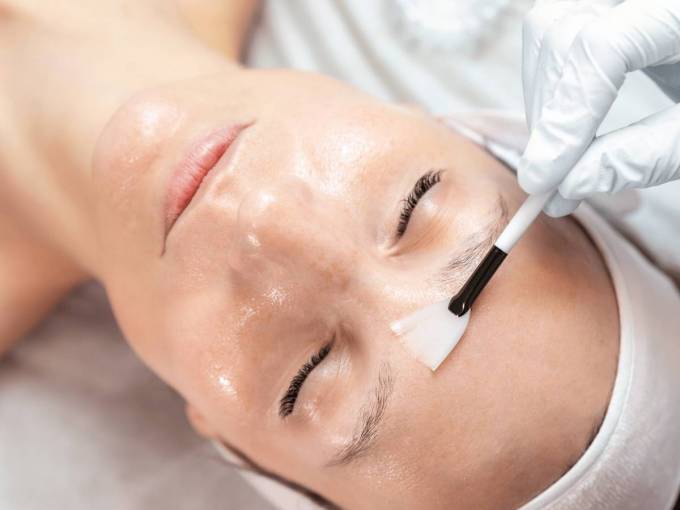
In modern skincare science, a chemical peel refers to a controlled dermatological treatment designed to improve skin texture, tone, and clarity by encouraging the natural shedding of damaged skin layers. In the context of chemical peel in dubai, this treatment has gained attention for its role in enhancing skin appearance through scientifically guided exfoliation rather than mechanical scrubbing or abrasive methods.
A chemical peel works on the principle of applying a carefully formulated solution to the skin, which triggers exfoliation at different depths depending on the type of peel used. This controlled process allows newer, fresher, and healthier skin cells to surface over time, revealing a more refined complexion. Dermatology considers chemical peels as a foundational skin renewal technique that bridges cosmetic improvement with biological skin regeneration.
Unlike surface-level skincare products that only affect the outermost layer temporarily, chemical peels are designed to create a deeper response in the skin’s renewal cycle. This is why they are often categorized into superficial, medium, and deep peels depending on their penetration level and intended results.
Understanding Chemical Peel in Dermatology
The Scientific Definition of a Chemical Peel
In dermatology, a chemical peel is defined as a skin-resurfacing procedure that uses acid-based solutions to exfoliate the epidermis and, in some cases, the upper dermis. These solutions typically include alpha hydroxy acids (AHAs), beta hydroxy acids (BHAs), trichloroacetic acid (TCA), or other medically recognized compounds.
The primary goal is to induce controlled skin injury that stimulates the body’s natural healing response. As the skin repairs itself, it produces new cells, collagen, and elastin, which contribute to smoother and healthier skin over time.
How Chemical Peels Work on the Skin
Controlled Exfoliation Process
Chemical peels function by breaking the bonds between dead skin cells, allowing them to shed more efficiently. This exfoliation process is not random but carefully controlled to ensure that only targeted layers are affected.
The outermost layer of the skin, known as the stratum corneum, is typically the first to respond. Depending on the strength of the peel, the treatment may also reach deeper layers, stimulating cellular turnover and skin regeneration.
Skin Renewal Activation
Once the outer damaged layers are removed, the skin initiates a repair mechanism. This involves:
- Increased production of new skin cells
- Enhanced collagen formation
- Improved skin elasticity
- More even pigmentation distribution
This biological response is what gives chemical peels their long-term skin improvement benefits rather than just temporary surface changes.
Types of Chemical Peels in Skin Care Context
Superficial Peels
Superficial peels are the mildest form and are often used for regular skin maintenance. They target only the outermost layer of the skin and are commonly used to address dullness, minor pigmentation, and uneven texture.
These peels usually involve mild acids such as glycolic acid or lactic acid, which gently exfoliate without significant downtime.
Medium-Depth Peels
Medium-depth peels penetrate further into the skin, reaching the upper dermis. They are more intensive and are used to address more visible skin concerns such as sun damage, acne scars, and moderate wrinkles.
This type of peel encourages stronger collagen stimulation and visible skin renewal over a longer recovery period.
Deep Peels
Deep peels are the most intensive category and penetrate multiple skin layers. They are designed for more severe skin concerns and produce dramatic resurfacing effects.
Because of their strength, deep peels require careful skin assessment and longer healing time, but they also offer more significant long-term improvements in skin texture and tone.
Dermatological Benefits of Chemical Peels
Improvement in Skin Texture
One of the most noticeable effects of chemical peels is smoother skin texture. By removing dead and damaged cells, the skin surface becomes more refined and even.
Enhanced Skin Brightness
Chemical peels reduce dullness by eliminating accumulated dead skin layers. This allows fresh skin to reflect light more effectively, creating a naturally brighter appearance.
Reduction of Pigmentation Irregularities
Uneven skin tone, dark spots, and hyperpigmentation can gradually fade as chemical peels accelerate cell turnover. The skin becomes more balanced in tone with consistent treatments.
Support for Acne-Prone Skin
Chemical peels can help unclog pores and reduce excess oil buildup, making them beneficial for acne-prone skin. By keeping pores clear, they reduce the likelihood of breakouts over time.
Role of Chemical Peels in Skin Regeneration
Stimulating Cellular Turnover
Skin naturally renews itself, but this process slows down with age and environmental exposure. Chemical peels accelerate this cycle, ensuring that older, damaged cells are replaced more efficiently.
Collagen Production Support
Collagen is essential for skin firmness and elasticity. Chemical peels stimulate fibroblast activity in the skin, which helps boost collagen production and improves skin resilience over time.
Long-Term Skin Health Improvement
Beyond cosmetic enhancement, chemical peels contribute to long-term skin health by maintaining a consistent regeneration cycle. This helps the skin remain more resistant to environmental damage and aging effects.
Safety and Suitability in Dermatology Context
Skin Type Considerations
Not all skin types respond the same way to chemical peels. Dermatology evaluates factors such as sensitivity, pigmentation level, and overall skin condition before determining suitability.
Importance of Controlled Application
Chemical peels must be applied in a controlled environment with proper assessment of skin depth and chemical concentration. This ensures that the exfoliation process remains beneficial rather than harmful.
Gradual Treatment Approach
In many cases, chemical peels are introduced gradually, starting with lighter formulations and progressing based on skin response. This allows the skin to adapt and reduces the risk of irritation.
Chemical Peel in Modern Skin Care Philosophy
Shift from Surface Care to Biological Renewal
Modern dermatology views chemical peels not just as cosmetic treatments but as biological skin renewal tools. Instead of masking imperfections, they address the root layer of skin renewal.
Integration with Skincare Routines
Chemical peels are often integrated into broader skincare strategies that include hydration, sun protection, and barrier repair. This combination helps maintain long-term skin balance.
Evolving Skin Health Approach
The concept of chemical peels reflects a shift in skincare philosophy—from temporary correction to long-term improvement of skin function and structure.
Conclusion
In dermatology, a chemical peel represents a scientifically structured method of skin resurfacing that enhances both appearance and biological skin function. It works by stimulating controlled exfoliation and encouraging natural regeneration processes that improve texture, tone, and overall skin health. Whether used for mild rejuvenation or deeper resurfacing, chemical peels remain a key component of modern skin care due to their ability to support the skin’s natural renewal cycle while delivering visible and lasting improvements.


