The Role of Silt Content in Plaster Sand: How Much is Too Much?
Published By Doctor Sand Limited, 9 Apr 2026
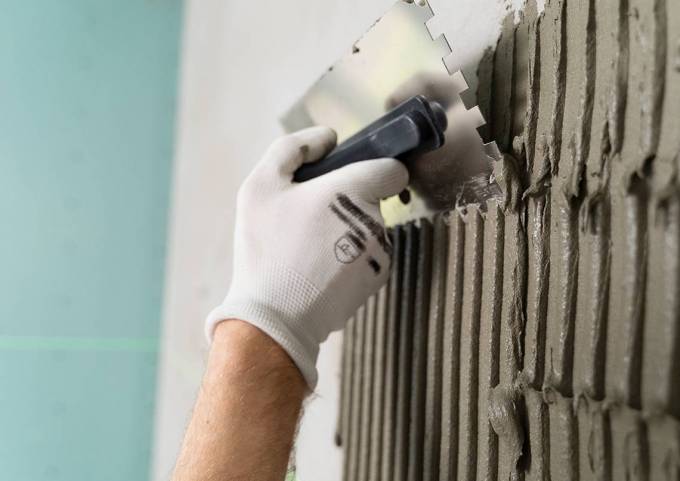
In construction, the quality of materials directly determines the strength, durability, and finish of a structure. Among these materials, plaster sand plays a crucial role in achieving smooth, crack-free, and long-lasting wall surfaces. While builders often focus on factors like grain size and cleanliness, one critical parameter that is frequently overlooked is silt content.
Silt, though a natural component of sand, can significantly impact the performance of plaster if present in excess. Understanding how much silt is acceptable—and when it becomes harmful—is essential for contractors, engineers, and even homeowners aiming for high-quality finishes.
What is Silt in Plaster Sand?
Silt refers to very fine particles, smaller than sand but larger than clay, typically less than 0.075 mm in size. These particles are often composed of fine mineral dust, clay residues, and organic matter that mix with sand during natural deposition or improper handling.
In plaster sand, silt is usually present as a coating over sand grains. While a small amount may not be harmful, excessive silt can interfere with the bonding properties of cement, ultimately weakening the plaster.
Why Silt Content Matters in Plastering
Plastering is not just about covering walls—it’s about creating a strong, durable, and aesthetically pleasing surface. The sand used in plaster must allow proper bonding with cement and ensure uniform application.
Here’s why silt content becomes critical:
1. Bonding Strength
Cement binds effectively with clean sand particles. However, when silt coats these particles, it acts as a barrier between cement and sand. This reduces adhesion and weakens the plaster layer.
2. Surface Finish
Excessive silt can lead to uneven finishes. Walls may appear smooth initially but often develop dusting or flaking over time.
3. Crack Formation
High silt content increases water demand in the mix. As the plaster dries, it undergoes shrinkage, leading to cracks on the surface.
4. Durability Issues
Weak bonding and increased shrinkage reduce the lifespan of plaster, making it prone to early deterioration.
Acceptable Limits: How Much is Too Much?
One of the most common questions in construction is: what level of silt content is acceptable in plaster sand?
Standard Guidelines
- Ideally, silt content should not exceed 3–5% by weight for plastering purposes.
- For high-quality finishes, many experts recommend keeping it below 3%.
When silt content goes beyond 5%, the risks increase significantly:
- Reduced strength
- Poor adhesion
- Higher chances of cracking and peeling
Effects of Excessive Silt Content
Let’s look at what happens when silt content crosses safe limits:
1. Weak Plaster Strength
Silt prevents proper bonding, resulting in plaster that is fragile and easily damaged.
2. Increased Water Requirement
Fine particles absorb more water, forcing workers to add extra water to the mix. This weakens the cement paste.
3. Shrinkage Cracks
Higher water content leads to greater shrinkage during drying, causing visible cracks.
4. Peeling and Flaking
Over time, plaster may lose its grip on the wall surface and start peeling off.
5. Poor Paint Adhesion
Even if plaster looks fine initially, paint applied over high-silt plaster may not adhere properly, leading to premature failure.
Effects of Very Low or Zero Silt Content
Interestingly, completely eliminating silt is not always necessary or practical.
A very small amount of silt can:
- Improve workability
- Help fill micro-voids between sand particles
However, this benefit is only observed at very low levels (under 2–3%). Beyond that, the disadvantages outweigh any minor advantages.
How to Test Silt Content On-Site
One of the advantages of checking silt content is that it can be done easily without advanced equipment. Here are common methods used on construction sites:
1. Jar Test (Field Test)
This is the simplest and most widely used method.
Procedure:
- Fill a transparent jar with sand up to a certain level.
- Add water and a pinch of salt.
- Shake the mixture well and allow it to settle for a few hours.
- Observe the layers formed:
- Sand settles at the bottom
- Silt forms a layer above it
Interpretation:
Measure the thickness of the silt layer and compare it to the sand layer. If the silt exceeds 5%, the sand is not suitable for plastering.
2. Sedimentation Test (Lab Method)
This is a more accurate method performed in laboratories using standardized procedures. It provides precise silt percentage values and is recommended for large-scale or critical projects.
How to Reduce Silt Content in Sand
If the available sand contains excessive silt, it can often be improved rather than discarded.
1. Washing the Sand
Washing removes fine particles effectively. This is the most common method used in construction.
2. Sieving
While sieving helps remove larger impurities, it is less effective for very fine silt particles.
3. Using Processed Sand (M-Sand)
Manufactured sand is produced under controlled conditions and typically contains minimal silt, making it a reliable alternative.
Choosing the Right Sand for Plastering
When selecting plaster sand, consider the following:
- Cleanliness: Free from dust, clay, and organic matter
- Grain Size: Fine to medium grains for smooth finish
- Silt Content: Preferably below 3%
- Source: Reliable suppliers with quality control
Avoid sand that appears muddy, excessively dusty, or sticky when wet—these are signs of high silt content.
Silt content in plaster sand may seem like a minor detail, but it has a major impact on the quality and durability of plastering work. While a small percentage of silt is acceptable and sometimes even beneficial, exceeding the recommended limit of 3–5% can lead to serious issues such as weak bonding, cracking, and poor surface finish.
By understanding the role of silt and taking simple steps like testing and washing sand, builders and homeowners can ensure better construction outcomes. In the long run, paying attention to this small detail can save time, money, and effort—while delivering strong, smooth, and long-lasting walls.


