Teeth Whitening Strips Who Should Avoid Them?
Published By Taimoor Tahir, 15 Apr 2026
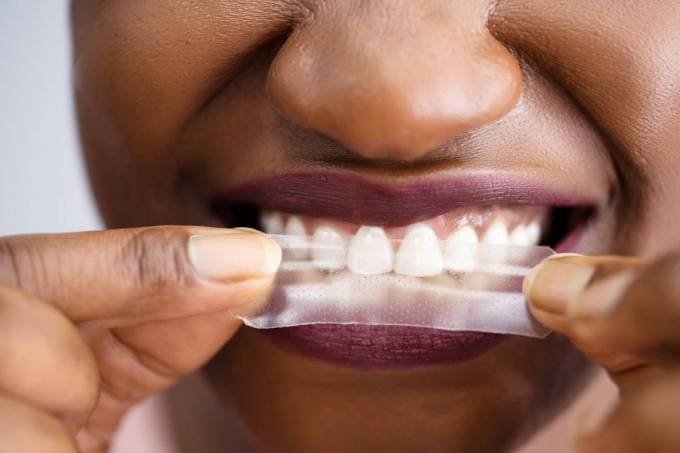
Teeth whitening has become a popular part of modern oral care routines, especially for people looking to improve the brightness of their smile at home. Among the most widely used options are whitening strips, which are easy to apply and widely available. However, not everyone is an ideal candidate for them. Understanding who should avoid whitening products is important for maintaining long-term dental health.
For individuals considering Teeth Whitening Strips in Dubai, it is especially important to be aware of safety factors before starting treatment. While these strips can be effective for surface stains, they may not be suitable for everyone, particularly those with existing dental concerns or heightened sensitivity.
What Are Teeth Whitening Strips?
Teeth whitening strips are thin, flexible pieces of plastic coated with a peroxide-based whitening gel. They are designed to stick directly onto the teeth and gradually lighten stains caused by food, drinks, smoking, and aging.
Most strips work by breaking down discoloration on the enamel surface. While they can deliver visible results over time, they are not a one-size-fits-all solution. The effectiveness and safety of Teeth Whitening Strips in Dubai depend largely on a person’s oral health condition and how carefully they follow usage instructions.
Who Should Avoid Teeth Whitening Strips?
Although whitening strips are generally considered safe for many users, certain individuals should avoid or limit their use to prevent discomfort or complications.
1. People with Tooth Sensitivity
Individuals who already experience sensitive teeth may find whitening strips uncomfortable. The peroxide in the gel can temporarily increase sensitivity, especially to cold or hot foods and drinks. For those already dealing with discomfort, whitening strips may worsen symptoms.
2. Those with Gum Disease or Irritation
People suffering from gum disease, inflammation, or receding gums should avoid whitening strips. The gel can come into contact with exposed gum tissue, potentially causing irritation or burning sensations. Healthy gums are essential before starting any whitening routine.
3. Individuals with Enamel Erosion
Enamel is the protective outer layer of the teeth. If it is worn down due to aggressive brushing, acidic foods, or other factors, whitening products may penetrate deeper into the tooth structure, increasing sensitivity and discomfort. In such cases, using Teeth Whitening Strips in Dubai without professional advice may not be safe.
4. People with Cavities or Untreated Decay
Whitening strips should never be used on teeth with cavities or untreated decay. The whitening agents can enter damaged areas, leading to pain or further irritation. Dental issues should always be addressed first before considering cosmetic whitening treatments.
5. Those Wearing Braces or Dental Appliances
People with braces, retainers, or other fixed dental appliances should avoid whitening strips. Since the strips only cover exposed tooth surfaces, they can result in uneven whitening once the braces are removed, leaving patchy or inconsistent color results.
6. Pregnant or Breastfeeding Individuals
Although research is limited, many dental professionals recommend avoiding whitening treatments during pregnancy or breastfeeding as a precaution. The body undergoes hormonal changes during this time, which can affect gum sensitivity and overall oral health.
7. Children and Teenagers
Teeth whitening strips are generally not recommended for children or teenagers unless specifically advised by a dental professional. Younger teeth are still developing, and enamel may be more sensitive to bleaching agents.
8. People Allergic to Peroxide or Gel Ingredients
Some individuals may have allergic reactions or sensitivities to peroxide or other ingredients used in whitening strips. Symptoms may include irritation, redness, or discomfort in the mouth. Anyone with a known allergy should avoid these products entirely.
9. Individuals with Dental Restorations
Those with crowns, veneers, fillings, or bonding should also be cautious. Whitening strips do not change the color of artificial dental materials, which can lead to uneven shades between natural teeth and restorations.
Potential Risks of Improper Use
Using whitening strips incorrectly or without assessing oral health can lead to several issues, including:
- Increased tooth sensitivity
- Gum irritation or burns
- Uneven whitening results
- Temporary enamel weakening
- Discomfort during eating or drinking
For users of Teeth Whitening Strips in Dubai, these risks highlight the importance of careful selection and proper usage.
Safer Alternatives to Whitening Strips
For individuals who fall into the categories above, there are other ways to improve smile brightness without using whitening strips:
- Professional cleaning to remove surface stains
- Whitening toothpaste for gradual improvement
- Dietary changes to reduce staining foods and drinks
- Improved oral hygiene routines, including regular brushing and flossing
- Cosmetic dental treatments suitable for specific dental conditions
These alternatives may be more suitable for people who cannot safely use whitening strips.
Tips for Safe Use (If You Are Eligible)
If you are generally healthy and suitable for whitening strips, following proper usage guidelines can help reduce risks:
- Always follow the instructions carefully
- Avoid overuse or extended application time
- Do not use immediately after brushing, as gums may be more sensitive
- Stop use if irritation or pain occurs
- Maintain good oral hygiene throughout the whitening process
Even when using Teeth Whitening Strips in Dubai, moderation and proper care are key to achieving safe and effective results.
Conclusion
Teeth whitening strips offer a convenient way to enhance your smile, but they are not suitable for everyone. People with sensitive teeth, gum issues, enamel erosion, untreated cavities, or dental restorations should be especially cautious. Similarly, children, pregnant individuals, and those with allergies should avoid them unless advised otherwise.
Understanding your oral health condition is essential before starting any whitening routine. While Teeth Whitening Strips in Dubai can be effective for many users, the safest approach is always one that prioritizes dental health over cosmetic results. Making informed choices ensures not only a brighter smile but also long-term protection for your teeth and gums.


