Pond Ash: An Essential Byproduct in Sustainable Construction and Environmental Management
Published By NOPANY INSTITUTE OF MANAGEMENT STUDIES, 6 Jun 2025
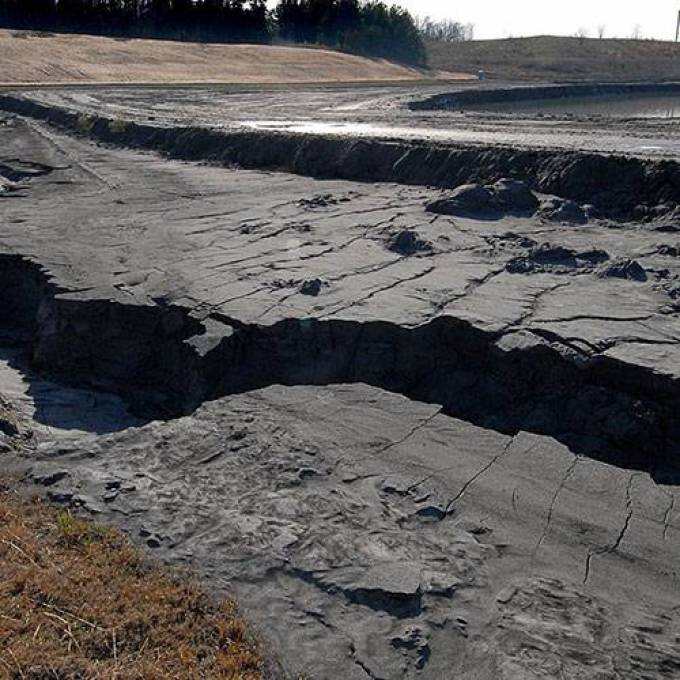
In the quest for sustainable construction materials and efficient waste management solutions, pond ash has emerged as an important resource. But what exactly is pond ash? How is it generated, and why is it gaining prominence in various industrial and environmental applications? This article explores everything you need to know about pond ash—its formation, properties, uses, benefits, and challenges—providing a comprehensive understanding of this versatile material.
What is Pond Ash?
Pond ash is a byproduct of coal combustion, primarily generated in coal-fired thermal power plants. When coal is burned to generate electricity, it produces fly ash and bottom ash as solid residues. These ashes are collected and transported to large ash ponds or ash lagoons, where the ash settles and is stored in a slurry form mixed with water. The ash that settles at the bottom of these ponds is referred to as pond ash or wet ash.
The storage in ponds serves two main purposes: to keep the ash moist and reduce dust pollution, and to allow the ash to settle before it is either disposed of or recycled for further use. Pond ash differs from dry fly ash primarily in its moisture content and texture; it is wetter, denser, and finer in nature.
Formation and Characteristics of Pond Ash
Pond ash forms when fly ash, which is suspended fine particles captured from the flue gases during coal combustion, is mixed with water and transported to settling ponds. Over time, the ash particles settle out, creating thick layers of slurry and eventually semi-solid deposits. The moisture content can vary but is typically high enough to require drying or dewatering before certain uses.
Key physical and chemical characteristics of pond ash include:
- Particle Size: Pond ash particles are generally finer than bottom ash but coarser than fly ash.
- Moisture Content: It has a high moisture content (often 30-50%), which influences its handling and processing.
- Specific Gravity: Usually ranges between 2.1 and 2.5.
- Chemical Composition: Mainly consists of silica, alumina, iron oxides, and trace amounts of calcium oxide, magnesium oxide, and unburnt carbon.
- pH Level: Slightly alkaline, usually between 7 and 10.
The properties of pond ash can vary depending on the source of the coal, combustion technology, and storage conditions. Therefore, testing and characterization are important before using pond ash for any industrial application.
Environmental Concerns and Management
While pond ash presents an opportunity for reuse, improper management of ash ponds can pose significant environmental risks. Ash ponds, if not properly lined or maintained, can lead to leaching of heavy metals and toxic elements like arsenic, mercury, and lead into surrounding soil and groundwater.
There have been incidents of ash pond breaches and spills, causing contamination of water bodies and surrounding ecosystems. Hence, regulatory agencies enforce strict guidelines for ash pond construction, monitoring, and rehabilitation to minimize environmental impact.
Modern ash management includes drying, solidification, and safe landfill techniques, alongside increasing efforts to recycle pond ash and reduce landfill dependence.
Applications of Pond Ash
Despite the environmental challenges, pond ash is a valuable material with multiple industrial applications, especially in the construction sector. Its pozzolanic properties—meaning it can react with calcium hydroxide to form compounds possessing cementitious properties—make it an excellent supplementary material in concrete and soil stabilization.
1. Use in Concrete and Cement Industry
Pond ash can partially replace cement in concrete mixtures, leading to:
- Reduced cement consumption and greenhouse gas emissions associated with cement production.
- Improved workability and durability of concrete.
- Enhanced resistance to chemical attack and sulfate attack.
Though fly ash is preferred for concrete due to its finer texture and lower moisture content, treated or dried pond ash can also be used after proper processing.
2. Soil Stabilization and Embankment Construction
Pond ash is often employed in stabilizing weak or expansive soils. When mixed with lime or cement, it improves the strength, reduces plasticity, and enhances the load-bearing capacity of soils. This makes pond ash valuable in:
- Building embankments and road foundations.
- Reclamation of low-lying areas.
- Filling of mine voids or abandoned quarries.
3. Manufacturing of Bricks and Blocks
Pond ash can be used to manufacture lightweight bricks, blocks, and tiles, reducing reliance on clay and natural soil. These bricks exhibit good strength, thermal insulation, and durability, contributing to sustainable building practices.
4. Landfilling and Backfilling
In mining and construction, pond ash is used as a backfill material due to its compaction properties. It also serves as a filler in land reclamation projects and can be mixed with other industrial wastes to create composite materials.
Benefits of Using Pond Ash
The reuse of pond ash in industrial applications offers numerous benefits:
- Environmental Sustainability: By recycling pond ash, the volume of waste sent to landfills is reduced, lowering land use and pollution risks.
- Resource Conservation: It reduces the need for natural raw materials such as sand, clay, and gravel.
- Cost-Effectiveness: Utilizing pond ash can lower the overall cost of construction materials.
- Improved Material Properties: Its pozzolanic activity enhances the strength and durability of concrete and soil stabilization projects.
- Reduction in Carbon Footprint: Less cement use means lower CO2 emissions, contributing to climate change mitigation.
Challenges and Limitations
While pond ash is promising, several challenges limit its widespread use:
- High Moisture Content: Requires drying or dewatering before use, adding to processing costs.
- Variability in Quality: Differences in chemical and physical properties depending on the coal source and plant operations can affect performance consistency.
- Heavy Metal Content: Potential for toxic elements requires careful testing and compliance with environmental regulations.
- Storage and Handling: Bulk and wet nature can complicate transport and storage logistics.
Addressing these challenges requires technological interventions such as improved ash drying systems, beneficiation techniques, and strict quality control.
Future Prospects and Innovations
Research and development efforts are ongoing to unlock the full potential of pond ash. Some innovative approaches include:
- Dry Ash Handling Systems: Conversion of wet ash to dry ash at source to improve usability.
- Geopolymer Production: Using pond ash as a raw material in geopolymer cement, which is a low-carbon alternative to traditional Portland cement.
- Nanomaterial Extraction: Isolating nanosilica from pond ash for advanced material applications.
- Integrated Waste Management: Combining pond ash reuse with other industrial byproducts for zero-waste approaches.
Government policies encouraging industrial symbiosis, sustainability certifications, and green building codes are also expected to drive increased pond ash utilization.
Pond ash, a once-overlooked byproduct of coal-fired power generation, is now recognized as a valuable material contributing to sustainable construction and environmental management. Its use reduces waste, conserves natural resources, lowers carbon emissions, and supports cost-effective engineering solutions.
However, safe handling, rigorous quality control, and adherence to environmental regulations are essential to maximize its benefits while minimizing risks. With continued innovation and regulatory support, pond ash is poised to become a cornerstone in the circular economy of industrial waste management.
For industries seeking eco-friendly materials and waste reduction strategies, pond ash offers a promising path forward—turning a challenge into an opportunity for greener and more sustainable development.


