Key Considerations for Material Selection in Moldmaking
Published By China Casting, 21 Dec 2023
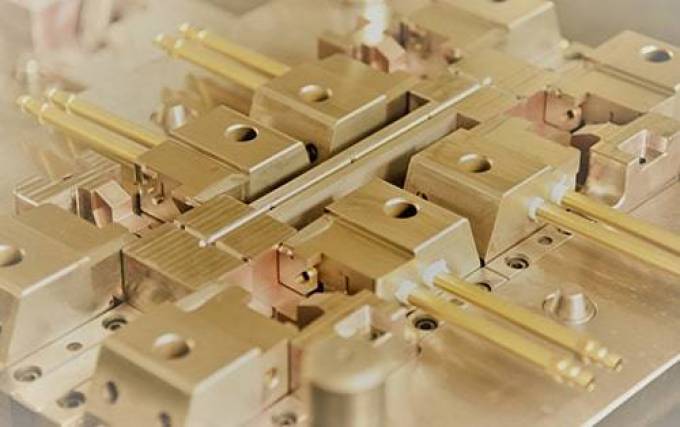
Choosing the right materials is the key to making your China Moldmaking projects successful. It not only affects the production cost but also determines the quality of end products. Ahead in this article, we’ll explore different moldmaking materials and key factors to consider when choosing them.
Types of Moldmaking Materials
Different moldmaking materials offer unique characteristics:
1. Metals: Metals like aluminum and steel are favored for their exceptional durability in China Moldmaking. They can withstand high temperatures and long production runs, making them ideal for applications requiring precision and strength.
2. Plastics: Plastic molds are inexpensive and, hence, ideal for low to medium production volumes, providing versatility in moldmaking. These materials are lightweight and suitable for intricate or complex molds.
3. Composites: Composite materials combine a mix of fiberglass and resin to balance strength, weight, and cost-effectiveness. Composites are best suited for projects requiring durability without excessive weight.
4. Rubber: Rubber molds are ideal for producing flexible or soft parts. Their ability to replicate intricate details and textures makes them ideal for applications like toy manufacturing or for creating prototypes.
5. Silicone: Silicone molds can create highly detailed and intricate parts, making them suitable for projects demanding precision and repeatability. Moreover, the heat resistance makes them ideal for various materials.
6. Ceramics: The heat resistance and thermal stability make ceramics an ideal choice for high-temperature molding applications. They are suitable for producing parts requiring precise temperature control.
7. Wood: Wood molds are cost-effective and easy to machine for simple shapes. They are typically used for prototypes, artistic projects, or low-volume production, as they are not as durable as metal or plastic for high-production runs.
8. Foam: Typically made from materials like EPS or polyurethane, foam molds are lightweight and economical. They are ideal for lightweight parts or prototypes as they don’t suit high-temperature applications.
Understanding these various moldmaking materials and their characteristics is essential to making the right choice aligning with your project’s specific needs and requirements.
Factors Affecting Material Selection
The choice of material for China Moldmaking depends on several factors, which include the following:
1. Type of Part: The nature of the part you intend to mold significantly impacts material choice. The material should align with the part’s characteristics, whether a complex, intricate shape or a simple design.
2. Production Volume: Consider the scale of your production. Materials that work well for low-volume runs might not be suitable for high-volume manufacturing. Your material choice should accommodate the expected production quantity.
3. Budget Constraints: Material costs vary, so your budget is a crucial factor. Balancing the quality of the material with your budget limitations is essential for cost-effective China Moldmaking.
4. Material Properties: Each material possesses unique thermal, mechanical, and wear properties. Understanding how these properties influence the molding process is vital in selecting the right material.
5. Environmental Impact: Consider the environmental implications of your material choice. Some materials may be more sustainable and eco-friendly than others, aligning with modern environmental concerns.
6. Regulatory Compliance: Compliance with specific industry standards or regulations related to the materials you’re considering is essential for legal and quality assurance purposes.
7. Mold Complexity: The design and intricacy of the mold impacts material selection. In short, complex molds may require materials with specific properties to maintain integrity and precision.
8. Material Availability: Ensure your chosen material is readily available from suppliers to avoid delays and ensure a smooth production process.
9. Mold Lifespan Requirements: Consider how long you need the mold to last, as some materials may wear out faster than others, affecting the frequency of mold replacement and production downtime.
10. Injection Molding Process: Specific molding processes like injection molding or compression molding may require certain materials due to their flow and cooling characteristics.
11. Desired Surface Finish: Different materials result in varying surface finishes on molded parts. Consider the desired appearance and texture of the final product.
12. Compatibility with Mold Design: Ensure the chosen material is compatible with the design and construction of the mold itself, considering factors like mold cavity and core design.
Carefully considering these key factors can help you make informed decisions when choosing materials for your moldmaking projects. Remember to align your material choice with your project’s specific requirements.
Final Words
In conclusion, material selection in China Moldmaking is a multi-faceted process with far-reaching implications. The right material choice leads to higher-quality products and cost savings, making it a critical aspect of moldmaking success.
If you need professional assistance regarding your next molding project, contact the iMold USA, LLC experts today. From choosing the right material for your molds to ensuring effective molding, they offer one-stop solutions.


