Is Scar Removal Considered Reconstructive Care?
Published By Dynaichealth55 , 27 Mar 2026
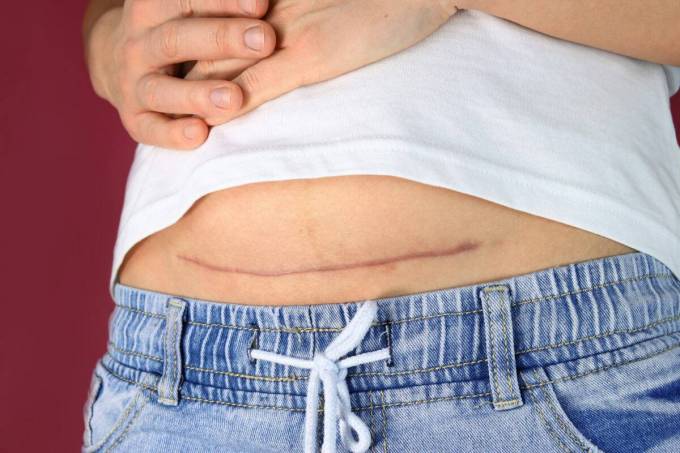
Is Scar Removal Considered Reconstructive Care? is a frequently asked question among patients seeking treatment for visible or functionally limiting scars. In many clinical cases, the classification depends on the cause, severity, and impact of the scar on daily life. Scar Removal in Dubai is widely sought by individuals looking for both aesthetic improvement and functional restoration, especially when scars affect movement or result from trauma or surgery. In advanced dermatology settings such as Dynamic Clinic in Dubai, the approach is often guided by whether the procedure restores normal skin function or improves appearance alone.
Understanding Reconstructive Care vs Cosmetic Treatment
Reconstructive care focuses on restoring normal function, structure, and appearance after injury, disease, or congenital conditions. Cosmetic treatment, on the other hand, is primarily intended to enhance appearance without addressing medical necessity.
Scar-related procedures may fall into either category depending on:
- The origin of the scar (trauma, surgery, burns, acne)
- Whether the scar restricts movement or causes discomfort
- The psychological and emotional impact on the patient
- The presence of functional impairment such as tightness or contracture
In clinical evaluation, the distinction is not always visual but based on medical necessity and the extent to which normal function is affected.
When Scar Removal Is Considered Reconstructive Care
Scar revision is often classified as reconstructive when it is performed to restore normal function or correct tissue damage caused by injury or medical procedures. This is particularly relevant in cases where scarring interferes with physical movement or daily comfort.
Common situations include:
- Burn scars causing skin tightening and restricted mobility
- Surgical scars affecting joint movement or tissue flexibility
- Traumatic scars resulting in structural distortion of skin
- Keloid or hypertrophic scars that cause pain or itching
- Facial scars affecting essential expressions or symmetry
In such cases, treatment is not purely aesthetic but aimed at improving the body’s natural function and restoring skin integrity.
Medical Importance of Scar Revision
Scar revision plays a significant role in improving both physical function and emotional well-being. Scars that are raised, tight, or discolored may interfere with skin elasticity and lead to discomfort over time.
From a medical standpoint, scar management may help with:
- Improving skin flexibility and reducing tightness
- Enhancing range of motion in affected areas
- Minimizing chronic irritation or sensitivity
- Supporting better healing outcomes after trauma or surgery
- Reducing long-term tissue complications
The psychological effect of visible scars is also an important consideration, as many patients experience reduced confidence or social discomfort.
Scar Removal Techniques Used in Clinical Practice
Modern scar management involves a combination of advanced dermatological and surgical approaches tailored to the type and severity of the scar.
Common techniques include:
- Laser therapy: Helps improve texture, pigmentation, and smoothness of scars
- Surgical scar revision: Repositions or refines scar tissue for better healing outcomes
- Microneedling: Stimulates collagen production to improve skin texture
- Dermabrasion: Removes outer skin layers to reduce surface irregularities
- Silicone-based therapy: Supports scar flattening and softening over time
Treatment selection depends on scar type, skin condition, and whether functional correction is required.
Factors Doctors Evaluate Before Treatment Classification
Determining whether scar removal is reconstructive or cosmetic requires a detailed medical assessment. Specialists evaluate both physical and emotional factors before recommending a treatment plan.
Key considerations include:
- Depth and age of the scar
- Location on the body and impact on movement
- Presence of pain, itching, or discomfort
- Degree of skin tightening or contracture
- Patient’s medical history and healing response
This evaluation ensures that treatment aligns with both medical necessity and expected outcomes.
Patient-Centered Goals in Scar Management
Scar management is not limited to surface improvement; it focuses on restoring normal skin behavior and enhancing quality of life. Each treatment plan is designed around individual needs, especially when scars affect visible or functional areas.
Patients often seek improvements in:
- Skin texture and smoothness
- Natural movement of affected areas
- Reduction of scar visibility
- Restoration of symmetry in facial or body contours
- Long-term skin comfort and flexibility
A personalized approach ensures that both reconstructive and aesthetic goals are addressed appropriately.
Conclusion
The classification of scar treatment as reconstructive care depends largely on whether the procedure restores normal function or addresses medical complications caused by scar tissue. In many cases, scar revision goes beyond cosmetic improvement and becomes essential for improving mobility, comfort, and skin health. In regions like Dubai, where advanced dermatological care is widely available, patients benefit from modern techniques that bridge both reconstructive and aesthetic needs, ensuring a balanced and medically sound approach to scar management.


