Is Rhinoplasty treatment suitable for adolescents?
Published By Hassan Dynamic, 23 Apr 2026
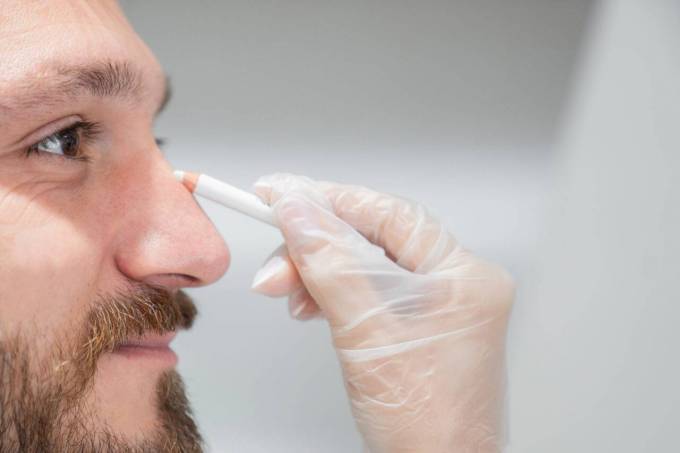
Is Rhinoplasty treatment suitable for adolescents? is a frequently asked question among parents and young individuals considering facial aesthetic changes during teenage years. In Dubai, interest in nasal reshaping procedures continues to grow, especially among families exploring medically guided aesthetic options such as Rhinoplasty in Dubai for functional or cosmetic concerns. Clinics like Dynamic life Clinic are often referenced in discussions around safe, patient-focused aesthetic care for younger individuals, where careful evaluation and ethical considerations are prioritized.
Understanding Rhinoplasty in Adolescents
Rhinoplasty is a surgical procedure designed to reshape or reconstruct the nose, addressing both aesthetic appearance and functional issues such as breathing difficulties. In adolescents, the procedure is approached with additional caution because facial structures are still developing.
During teenage years, the nose continues to grow and change shape along with other facial features. This makes timing a critical factor in determining whether the procedure is appropriate. While some adolescents may have completed significant facial growth, others may still be in active development phases, requiring a careful medical assessment before any decision is made.
In many cases, rhinoplasty for adolescents is not only about appearance but also about correcting structural concerns that affect daily breathing or cause discomfort. This dual purpose often plays a key role in evaluating suitability.
Age Considerations and Facial Development
One of the most important factors in determining suitability is physical maturity. The nose is among the last facial features to fully develop, and its growth varies between individuals.
For adolescents, medical professionals typically evaluate:
- Completion of nasal bone growth
- Stability of facial proportions
- Overall physical maturity rather than age alone
Girls generally reach nasal maturity earlier than boys, but this is not a fixed rule. Relying solely on age can lead to premature decisions, which is why a detailed clinical assessment is essential.
In Dubai’s aesthetic healthcare environment, practitioners focus on ensuring that any consideration of rhinoplasty aligns with natural development rather than rushing cosmetic changes.
Psychological and Emotional Readiness
Beyond physical maturity, emotional readiness plays a significant role in determining suitability for rhinoplasty in adolescents. Teenagers may sometimes seek facial changes due to peer pressure, social media influence, or temporary self-image concerns.
A responsible evaluation includes assessing:
- Motivation behind the desire for surgery
- Stability of self-esteem and body image perception
- Realistic expectations about outcomes
- Understanding of the procedure’s limitations
Adolescents who demonstrate consistent concerns over time and have a clear, well-considered reason for the procedure are generally better candidates. Emotional readiness ensures that the decision is not impulsive but rather well-informed and stable.
Medical Evaluation and Safety Factors
A comprehensive medical assessment is essential before considering rhinoplasty for adolescents. Safety remains the top priority, and evaluation typically includes both physical and psychological screening.
Key medical factors include:
- Nasal structure and cartilage strength
- Breathing function and airway health
- Presence of congenital or trauma-related issues
- Overall health condition and healing capacity
In some cases, rhinoplasty is recommended for functional reasons, such as correcting a deviated septum or resolving breathing difficulties. These cases may be considered more suitable than purely cosmetic requests, especially when symptoms impact daily life.
Healthcare standards in Dubai emphasize ethical decision-making, ensuring procedures are only recommended when they serve a genuine medical or long-term well-being purpose.
Benefits When Appropriate Timing Is Chosen
When rhinoplasty is performed at the right developmental stage and under proper medical guidance, it can offer meaningful benefits for adolescents.
These may include:
- Improved nasal function and breathing
- Enhanced facial harmony and symmetry
- Increased self-confidence in social environments
- Correction of structural irregularities from injury or birth conditions
Timing is critical, as performing the procedure too early may lead to changes in facial growth patterns, potentially affecting long-term results. When carefully planned, outcomes tend to be more stable and aligned with natural facial development.
Risks and Considerations
Like any surgical procedure, rhinoplasty carries potential risks, and these must be carefully considered, particularly in younger patients whose facial structures are still evolving.
Some considerations include:
- Possibility of revision if growth alters results
- Temporary swelling and healing variations
- Emotional expectations not aligning with outcomes
- Impact of ongoing facial development on final appearance
Adolescents and guardians must fully understand these aspects before making any decision. A cautious and ethical approach ensures that risks are minimized and long-term satisfaction is prioritized over short-term aesthetic goals.
Recovery Expectations for Younger Patients
Recovery from rhinoplasty in adolescents is generally similar to adults but requires additional attention to lifestyle and activity restrictions. Healing is a gradual process and depends on individual health and aftercare compliance.
Typical recovery considerations include:
- Temporary swelling and mild discomfort in early stages
- Avoidance of physical activities that may impact the nose
- Consistent follow-up evaluations to monitor healing
- Gradual return to normal routines based on medical advice
Younger patients often heal relatively quickly due to better regenerative capacity, but emotional patience is equally important during the recovery phase.
Role of Parental Guidance and Informed Decision-Making
Parental involvement is essential when adolescents consider rhinoplasty. Decisions should never be made independently, as long-term outcomes and psychological well-being must be jointly evaluated.
Effective decision-making involves:
- Open discussions between parents and adolescents
- Professional consultation with qualified specialists
- Clear understanding of risks, benefits, and limitations
- Ensuring the motivation is stable and not influenced by temporary factors
In Dubai’s healthcare environment, ethical frameworks strongly emphasize shared decision-making, ensuring that both medical professionals and families contribute to responsible choices.
Conclusion
The question of whether rhinoplasty is suitable for adolescents depends on a combination of physical development, emotional maturity, and medical necessity. Careful evaluation ensures that the procedure, when considered, aligns with long-term well-being rather than short-term aesthetic preferences. In Dubai, where aesthetic medicine is highly advanced, the focus remains on safety, ethics, and natural outcomes, ensuring adolescents are assessed with caution and responsibility before any decision is made.


