Is Laser Hair Removal Safe for All Skin Types?
Published By Hassan Dynamic, 6 May 2026
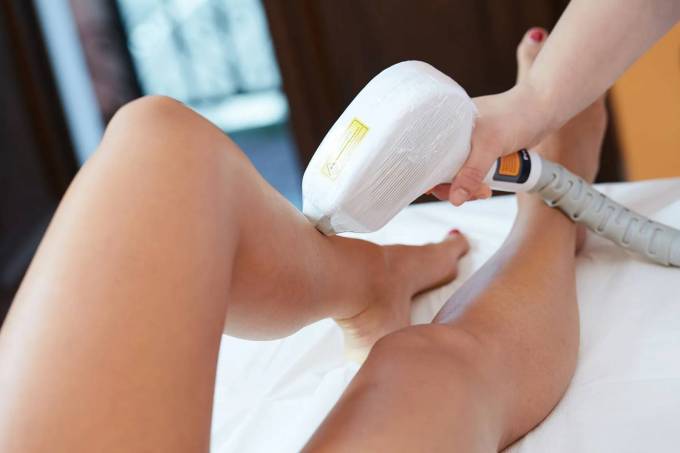
Is Laser Hair Removal Safe for All Skin Types? is one of the most frequently searched questions among people considering long-term hair reduction, especially in regions like Dubai where advanced cosmetic procedures are widely available. Laser technology has evolved significantly, making treatments more adaptable to different skin tones and hair textures. Today, many individuals seek reassurance about whether modern methods are inclusive and safe for varied skin profiles. In this context, clinics offering Laser Hair Removal in Dubai are increasingly using advanced devices designed to minimize risks while improving effectiveness. One such example is Dynamic Life Clinic, where modern protocols focus on tailoring treatments according to individual skin needs to enhance both safety and results.
Understanding How Laser Hair Removal Works on Skin
Laser hair removal targets the melanin pigment in hair follicles, using concentrated light energy to disrupt future hair growth. The effectiveness of the procedure depends on the contrast between skin tone and hair color, as well as the technology used. Earlier devices were more suitable for lighter skin tones, but advancements have made treatments more inclusive for deeper skin shades as well.
The laser energy is absorbed by the pigment in the hair shaft and converted into heat, which weakens the follicle over multiple sessions. This process does not affect the surrounding skin when performed correctly, which is why proper assessment is essential before treatment begins.
Skin Types and Their Response to Laser Treatment
Different skin types react differently to laser energy, and understanding this variation is key to safe outcomes. Dermatologists often refer to the Fitzpatrick scale, which categorizes skin from Type I (very fair) to Type VI (deeply pigmented).
Common considerations include:
- Type I–II (fair skin): Usually responds well with minimal risk of pigmentation changes
- Type III–IV (medium skin): Requires adjusted laser settings for safety and effectiveness
- Type V–VI (deep skin tones): Needs specialized devices to avoid burns or hyperpigmentation
Modern laser systems are designed to accommodate these variations, making treatments more personalized than ever before.
Advanced Laser Technologies for Safer Outcomes
The introduction of newer laser systems has significantly improved safety across all skin types. Devices such as Nd:YAG lasers are particularly effective for darker skin tones because they penetrate deeper without heavily affecting surface melanin. Diode lasers also offer a balanced approach suitable for a wide range of skin tones.
Key technological advantages include:
- Adjustable wavelength settings for customized treatment
- Cooling systems that protect the skin surface
- Precision targeting of hair follicles without damaging surrounding tissue
- Reduced risk of pigmentation issues when used correctly
These innovations have made laser hair removal more inclusive, especially in diverse populations like those in Dubai.
Safety Considerations Before Treatment
Ensuring safety begins with a professional skin assessment. A trained practitioner evaluates skin tone, hair type, and medical history before recommending a treatment plan. This step is essential in reducing side effects and ensuring optimal results.
Important pre-treatment guidelines include:
- Avoid sun exposure before sessions
- Discontinue waxing or plucking prior to treatment
- Inform the specialist about any skin conditions or medications
- Perform patch tests when necessary for sensitive skin
These precautions help ensure that the skin responds well to laser energy and reduces the likelihood of irritation or discoloration.
How Skin Type Influences Treatment Results
While laser hair removal is generally safe, results and session requirements may vary depending on skin type. Individuals with lighter skin and darker hair often see quicker results due to higher contrast, while deeper skin tones may require more tailored settings and gradual progression.
Factors affecting outcomes include:
- Hair thickness and growth cycle
- Hormonal influences on hair growth
- Skin sensitivity and healing response
- Consistency of treatment sessions
Understanding these variables helps set realistic expectations and ensures a smoother treatment journey.
Post-Treatment Care for All Skin Types
Aftercare plays a crucial role in maintaining skin safety and enhancing results. Regardless of skin type, proper care helps reduce redness and supports healing after each session.
Recommended aftercare steps include:
- Applying soothing gels or prescribed skincare products
- Avoiding direct sunlight and using sunscreen regularly
- Refraining from hot showers, saunas, or intense workouts for 24–48 hours
- Keeping the treated area clean and moisturized
Following these guidelines ensures the skin remains calm and protected while adapting to the laser process.
Who Should Take Extra Precautions
Although laser hair removal is suitable for most individuals, certain conditions require additional care. People with highly sensitive skin, active infections, or specific dermatological conditions should consult a professional before undergoing treatment.
Extra caution is advised for:
- Individuals with a history of pigmentation disorders
- People taking photosensitizing medications
- Those with recent sunburn or tanning
- Individuals with active skin infections or open wounds
A tailored approach ensures that even these individuals can explore treatment safely under professional supervision.
The Role of Professional Assessment in Skin Safety
A key factor in ensuring safety across all skin types is professional expertise. Proper device selection, correct energy calibration, and continuous monitoring during sessions significantly reduce risks. In experienced hands, laser hair removal becomes a controlled and predictable procedure rather than a generalized treatment.
Clinics in Dubai increasingly rely on customized treatment planning to accommodate the region’s diverse population, ensuring that every skin type receives appropriate care without compromising safety or effectiveness.
Conclusion
Laser hair removal has evolved into a highly adaptable cosmetic procedure capable of treating a wide range of skin types when performed with the right technology and expertise. With advancements in laser systems and improved understanding of skin biology, the treatment has become more inclusive than ever. Individuals considering laser treatments can now benefit from tailored approaches that prioritize both safety and long-term effectiveness across different skin tones and sensitivities.


