Is Incision and Drainage of Abscesses Always a Necessary Treatment?
Published By Ahmad , 7 Feb 2026
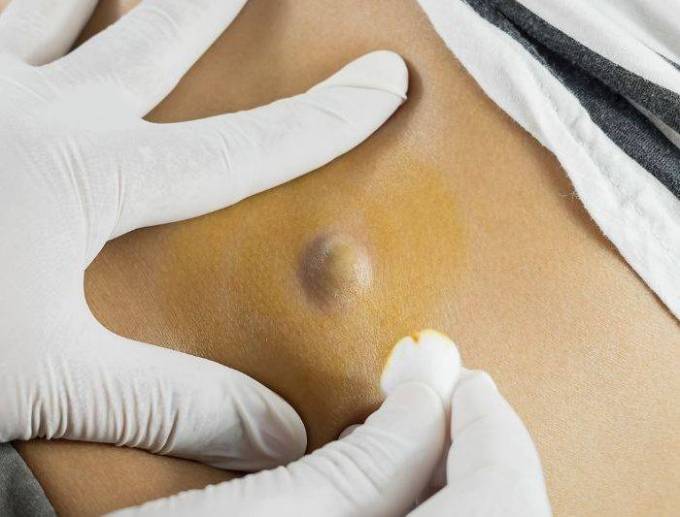
Abscesses are common skin and soft tissue infections that often cause pain, swelling, and discomfort. Understanding whether incision and drainage of abscesses is always a necessary treatment is essential for effective care. For those seeking professional management, Incision and drainage of abscesses in Dubai is a widely recognized procedure, and clinics like Dynamic Life Clinics offer comprehensive services for safe and effective treatment.
What Is an Abscess?
An abscess is a localized collection of pus that forms due to infection. It can develop anywhere in the body, including the skin, teeth, or internal organs. The main signs of an abscess include:
-
Redness and swelling
-
Pain and tenderness at the affected site
-
Warmth and sometimes a fluctuant or soft center
-
Fever or general malaise in severe cases
Understanding the severity and location of an abscess is critical to deciding whether invasive treatment like incision and drainage is necessary.
Conventional Treatment: Incision and Drainage
Incision and drainage (I&D) is a procedure where a small cut is made in the abscess to release the accumulated pus. This approach is often considered the standard treatment for larger or more severe abscesses. Benefits of I&D include:
-
Immediate relief from pain and pressure
-
Reduction of infection risk spreading to surrounding tissues
-
Faster healing compared to untreated abscesses
The procedure is typically performed under sterile conditions to prevent further infection, and healthcare providers may recommend follow-up care to monitor recovery.
Situations Where Incision and Drainage Is Necessary
While incision and drainage is effective, it is not always required for every abscess. In Dubai, clinics may consider I&D necessary in cases such as:
-
Abscesses that are large, painful, or rapidly growing
-
Fluctuant abscesses with visible pus
-
Abscesses causing systemic symptoms like fever
-
Recurrent abscesses that do not respond to antibiotics
Healthcare providers assess each case individually, taking into account the abscess size, location, and the patient’s overall health.
Alternative Treatments for Minor Abscesses
Not all abscesses require surgical intervention. Smaller or early-stage abscesses may respond to conservative care, which can include:
-
Warm compresses to encourage natural drainage
-
Proper hygiene and wound care
-
Oral antibiotics for infections caused by bacteria
-
Monitoring for changes in size, redness, or pain
Early detection and treatment can sometimes prevent the need for incision and drainage, especially for superficial or minor abscesses.
Risks and Considerations of Incision and Drainage
Although I&D is generally safe, there are some considerations and potential risks that patients should be aware of:
-
Bleeding or bruising at the site of incision
-
Temporary discomfort during and after the procedure
-
Possible recurrence if the abscess is not fully drained
-
Rare complications, such as spread of infection if hygiene protocols are not followed
Proper aftercare is essential to reduce these risks, including keeping the area clean, following medical instructions, and attending follow-up visits if advised.
Signs You Should Seek Medical Intervention
Even if an abscess seems minor, medical attention should be sought if any of the following occur:
-
Rapid swelling or increasing redness
-
Persistent pain that does not improve with home care
-
Fever or feeling unwell
-
Red streaks extending from the abscess, indicating spreading infection
Prompt intervention, whether through incision and drainage or other treatments, helps prevent complications and supports faster recovery.
How Clinics in Dubai Handle Abscess Treatment
Medical centers offering incision and drainage of abscesses in Dubai provide professional evaluation and care tailored to each patient. The process typically includes:
-
Comprehensive assessment of the abscess size, location, and severity
-
Recommendations for either conservative treatment or surgical drainage
-
Sterile procedure performed under local anesthesia if needed
-
Guidance for aftercare and follow-up appointments
Modern clinics prioritize patient comfort and infection control, ensuring that treatment is both effective and safe.
Preventing Future Abscesses
Prevention strategies are important, particularly for those prone to recurrent abscesses. Key measures include:
-
Maintaining good personal hygiene
-
Keeping wounds clean and properly dressed
-
Avoiding sharing personal items that may transmit bacteria
-
Prompt treatment of minor infections before they worsen
These steps can reduce the likelihood of developing abscesses that require surgical intervention.
Conclusion
Not all abscesses require incision and drainage. Decisions are based on size, severity, and symptoms, with some cases responding to conservative care. Clinics in Dubai, including Dynamic Life Clinics, provide expert evaluation to determine the most appropriate treatment, ensuring patient safety and effective recovery. Understanding the nature of abscesses and treatment options empowers patients to seek timely care and manage infections effectively.


