Is HYAcorp Filler Biocompatible with Skin?
Published By Health Care, 7 Mar 2026
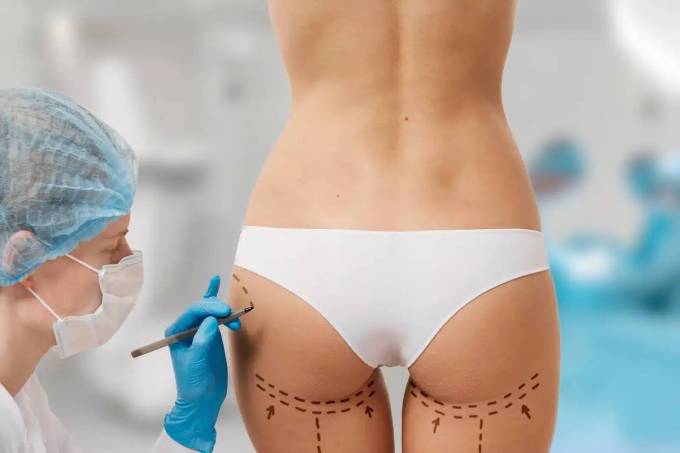
In recent years, dermal fillers have become a cornerstone of aesthetic rejuvenation — offering a nonsurgical way to restore volume, smooth wrinkles, and refine facial and body contours. Among the many products on the market, HYAcorp Fillers are gaining attention for their unique composition and longlasting performance. But a common question among prospective patients is: Are these fillers biocompatible with the skin? This article explores what HYAcorp is, how it works, and why biocompatibility matters for both safety and results.
What Are HYAcorp Fillers?
HYAcorp Fillers are a range of injectable dermal fillers based on hyaluronic acid (HA) — a naturally occurring molecule in human skin, connective tissues, and eyes that binds moisture and helps maintain volume and elasticity. Unlike temporary gels used in simple hydration therapies, HYAcorp products use crosslinked hyaluronic acid designed to persist longer in tissues and provide structural support where volume has diminished.
These fillers are manufactured in Germany and are widely used in both facial enhancement and body contouring applications. They include formulations with varying degrees of crosslinking and HA particle sizes, tailored to specific aesthetic goals — from subtle lip enhancement to deeper volume restoration in regions like the cheeks or buttocks.
Understanding Biocompatibility
Biocompatibility refers to how well a material interacts with living tissues without causing adverse reactions. For injectable products like dermal fillers, biocompatibility is critical. A biocompatible filler should:
Integrate smoothly into surrounding tissues
Avoid triggering significant inflammatory responses
Degrade safely through natural metabolic pathways
Not contain harmful contaminants that provoke immune reactions
Hyaluronic acid is inherently biocompatible because it mirrors the substance already present in the human body. However, the processing methods — especially crosslinking agents — can influence how tissues respond to the final product.
Why HYAcorp Is Considered Biocompatible
Natural Origin and CECertified Safety
HYAcorp Fillers are formulated from nonanimalbased hyaluronic acid, reducing the risk of immune reactions associated with animalderived materials. This is important because nonanimal sourcing minimizes exposure to proteins or antigens that could trigger sensitivities.
All HYAcorp products carry the CE certification (Conformité Européenne), indicating compliance with stringent European safety and quality standards for medical devices. Fillers undergo routine tests before release, including sterility controls and checks for chemical safety.
Advanced Manufacturing and Residual CrossLinker Control
While crosslinking hyaluronic acid prolongs its durability in tissue, leftover crosslinker chemicals (e.g., BDDE — 1,4butanediol diglycidyl ether) in some other products can influence biocompatibility if not properly controlled. HYAcorp utilizes advanced technologies that ensure very low levels of free BDDE — below strict global safety limits — which contributes to a lower toxicity profile compared to some alternatives.
Biodegradable and Integrated with Tissue
HYAcorp’s hyaluronic acid fillers are completely biodegradable, meaning that over time they are naturally broken down and absorbed by the body without leaving harmful residues. This biodegradability is key to maintaining skin health and reducing the likelihood of longterm complications.
RealWorld Compatibility: What Patients Should Know
In practice, most individuals tolerate hyaluronic acid based fillers well because HA closely mimics substances the body already produces. However, even biocompatible materials can occasionally cause reactions, and a few considerations apply:
Immediate and ShortTerm Effects
It’s common to experience some swelling, redness, or mild discomfort after filler injections — not because the product is incompatible, but because needles disrupt tissues. These reactions generally resolve within a few days and are not indicative of a biocompatibility problem.
Rare but Possible Risks
On rare occasions, granulomas (small lumps), prolonged swelling, or migration of filler material can occur. These issues are not unique to HYAcorp Fillers — they exist with all HA dermal fillers to varying degrees, depending on injection technique, product choice, and individual biology. A trained practitioner can significantly reduce these risks by applying the right technique and product for each treatment area.
Comparing HYAcorp to Other Fillers
HYAcorp’s dermal fillers differ from some fillers in the market primarily in their biphasic structure: larger crosslinked HA particles suspended in noncrosslinked HA. This structure can contribute to greater longevity in tissue and more controlled performance.
This design, combined with quality standards and low residual crosslinking agents, supports a favorable biocompatibility profile. Nonetheless, individual results can vary, and consulting with an experienced provider ensures the safest and most appropriate choice for one’s aesthetic goals.
Conclusion: Safe, Biocompatible, and Effective When Used Correctly
In summary, HYAcorp Fillers are widely recognized for their biocompatibility with human skin, thanks to:
Natural, nonanimal derived hyaluronic acid
Advanced manufacturing with strict safety controls
Low residual levels of chemical crosslinkers
Complete biodegradability and CE certification
These factors make HYAcorp fillers a credible option for those seeking nonsurgical aesthetic enhancements. Like all cosmetic treatments, success and safety hinge not just on the product itself, but on appropriate patient selection, precise injection technique, and proper aftercare.
If you are considering dermal fillers for facial or body contouring, understanding how products like HYAcorp interact with your body helps you make informed decisions — and contributes to smoother, more natural results.


