How uPVC Sliding Windows Improve Ventilation and Natural Light
Published By Duro Past, 3 Feb 2026
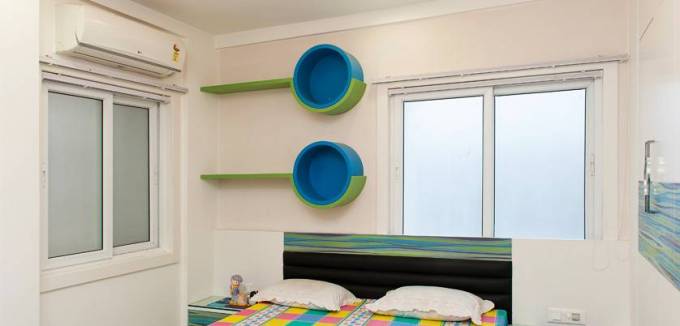
Modern architecture increasingly emphasizes comfort, energy efficiency, and smart use of space while maintaining visual appeal. Among the many elements that contribute to these goals, windows play a crucial role. They are not only structural components but also key to ensuring proper airflow, daylight access, and overall indoor comfort.
Among the available window systems today, uPVC sliding windows have become a popular choice in residential and commercial buildings due to their practicality, durability, and performance. One of their biggest advantages is how effectively they enhance ventilation and natural lighting, two factors essential for healthy and comfortable indoor environments.
This article explores how uPVC sliding windows contribute to better ventilation and improved daylight penetration, along with their broader benefits in modern construction.
Understanding uPVC Sliding Windows
uPVC, or unplasticized polyvinyl chloride, is a rigid and durable material widely used for window and door frames. Unlike traditional wooden or metal frames, uPVC does not corrode, rot, or warp easily, making it suitable for diverse climates.
A sliding window system operates horizontally, where one or more window panels move along tracks instead of opening inward or outward. This mechanism makes sliding windows ideal for areas where space is limited or where smooth operation and wide openings are desired.
The combination of uPVC frames and sliding functionality results in windows that are efficient, easy to use, and suitable for enhancing airflow and daylight access.
Importance of Ventilation in Buildings
Proper ventilation is critical for maintaining healthy indoor environments. Without adequate airflow, indoor spaces can become uncomfortable and unhealthy due to:
- Accumulation of indoor pollutants
- Excess humidity
- Mold growth
- Unpleasant odors
- Increased indoor temperature
- Reduced oxygen circulation
Good ventilation helps maintain fresh air circulation, regulates humidity levels, and contributes to occupant comfort and productivity.
Importance of Natural Light
Natural light is equally important in building design. Adequate daylight exposure offers several advantages:
- Reduced dependency on artificial lighting
- Improved mood and productivity
- Better visual comfort
- Enhanced aesthetics of interiors
- Energy savings
- Improved overall well-being
Windows that allow sufficient daylight help create brighter, more inviting indoor environments while reducing electricity consumption.
How uPVC Sliding Windows Improve Ventilation
1. Wider Openings for Better Airflow
Sliding windows can be opened partially or fully depending on requirements. Larger window openings allow more air to enter, promoting better circulation inside rooms.
In many sliding window designs, at least half the window opening can be fully opened, creating a large airflow path compared to smaller hinged windows.
This makes sliding windows particularly effective in:
- Living rooms
- Bedrooms
- Kitchens
- Offices
- Balconies
- Hallways
2. Smooth Operation Encourages Frequent Use
Windows that are difficult to operate are often kept closed, reducing airflow. uPVC sliding windows typically include smooth rollers and track systems, making them easy to open and close.
Because operation requires minimal effort, occupants are more likely to use them regularly, improving daily ventilation.
3. Adjustable Ventilation Control
Sliding windows allow users to control the amount of ventilation by adjusting how much the window is opened. This flexibility helps in:
- Allowing gentle airflow during mild weather
- Increasing ventilation during hot weather
- Controlling airflow during rain or windy conditions
Users can easily adjust ventilation without fully opening the window.
4. Cross Ventilation Possibilities
When sliding windows are installed on opposite or adjacent walls, they enable cross ventilation, allowing fresh air to flow through the space while pushing stale air out.
This natural airflow mechanism helps in:
- Cooling interiors
- Reducing humidity
- Improving indoor air quality
- Reducing dependency on mechanical cooling
Properly positioned sliding windows can significantly improve indoor comfort.
5. Suitable for Large Openings
uPVC sliding systems can accommodate large glass panels, allowing bigger window installations. Larger openings translate to more air exchange between indoor and outdoor spaces.
This is particularly useful in:
- Apartments with balconies
- Villas with garden views
- Office spaces
- Commercial buildings
How uPVC Sliding Windows Improve Natural Light
1. Large Glass Area
Sliding windows systems typically feature slimmer frame profiles compared to traditional window designs. This increases the glass-to-frame ratio, allowing more daylight to enter.
The larger the glass area, the greater the amount of sunlight entering the room.
2. Minimal Obstruction to Light
Unlike casement windows that swing open and may partially block light, sliding windows move sideways, keeping the opening clear and unobstructed.
This design ensures maximum daylight penetration even when partially opened.
3. Better Use of Wall Space
Sliding windows are often installed across larger wall sections, maximizing exposure to natural light. This helps reduce dark corners and improves light distribution inside rooms.
Spaces with larger window installations appear:
- Brighter
- More spacious
- More welcoming
4. Improved Daylight Distribution
The horizontal opening allows daylight to spread evenly across rooms. Proper window placement ensures light reaches deeper into interior spaces, reducing the need for artificial lighting during the day.
This is especially beneficial in urban homes where building spacing limits light availability.
5. Compatibility with Modern Glass Solutions
uPVC sliding windows can incorporate advanced glazing options such as:
- Double glazing
- Low-E glass
- Tinted glass
- Laminated glass
These options allow natural light to enter while reducing heat transfer and glare, ensuring comfort without excessive heat gain.
Energy Efficiency Benefits
Improved ventilation and natural lighting contribute significantly to energy efficiency. With uPVC sliding windows:
- Less artificial lighting is needed during the day.
- Natural airflow reduces reliance on air conditioning.
- Insulated frames minimize heat transfer.
This combination lowers energy consumption and reduces electricity costs over time.
Additional Advantages Supporting Ventilation and Light
Low Maintenance
uPVC windows require minimal maintenance compared to wood or metal frames. Smooth operation and durability ensure ventilation performance remains consistent over time.
Weather Resistance
uPVC frames resist moisture, corrosion, and harsh weather conditions, ensuring windows remain functional even in coastal or humid environments.
Noise Reduction
Many uPVC sliding windows provide effective sound insulation when combined with suitable glazing, allowing ventilation without excessive noise intrusion.
Space-Saving Design
Sliding windows do not project inward or outward, making them ideal for compact spaces, balconies, or walkways where hinged windows may obstruct movement.
Enhanced Aesthetics
Modern sliding window designs enhance building appearance while providing functional benefits, creating bright and well-ventilated spaces without compromising visual appeal.
Design Considerations for Maximum Performance
To achieve optimal ventilation and daylight:
- Position windows to capture prevailing winds.
- Use larger openings in main living areas.
- Combine sliding windows with fixed panels where needed.
- Consider double glazing for comfort.
- Avoid obstructions outside windows.
Proper planning ensures better outcomes.
uPVC sliding windows have become an important feature in modern architecture, offering practical solutions for improving ventilation and natural lighting. Their ability to provide large openings, smooth operation, and expansive glass areas makes them highly effective in enhancing indoor comfort and energy efficiency.
By allowing fresh air circulation and maximizing daylight entry, these windows contribute to healthier, brighter, and more comfortable living and working environments. Their durability, low maintenance requirements, and compatibility with contemporary building designs further strengthen their appeal.
As building design continues to prioritize sustainability and occupant well-being, uPVC sliding windows remain a reliable and efficient choice for achieving well-ventilated and naturally illuminated spaces.


