How to Diagnose Before Pigmentation Treatment?
Published By Hassan Dynamic, 8 Apr 2026
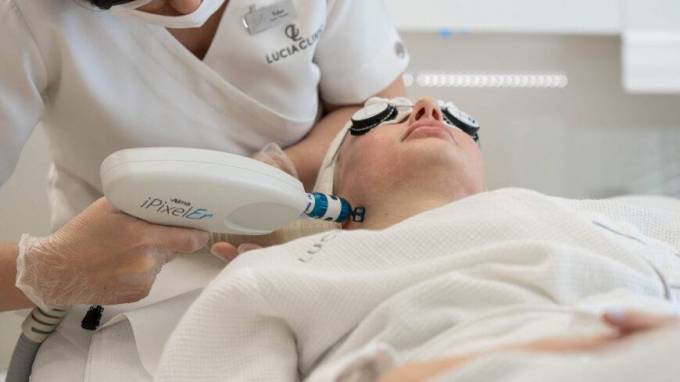
Understanding how to diagnose before pigmentation treatment is crucial for achieving safe and effective results. Many people in Dubai seek solutions for uneven skin tone, dark spots, or melasma, making Pigmentation Treatment in Dubai increasingly popular. At Dynamic Clinic in Dubai, specialized diagnostic procedures are used to identify the underlying causes of pigmentation issues, ensuring that each treatment is tailored to the individual’s skin type and condition.
Importance of Skin Diagnosis Before Treatment
Proper diagnosis is the foundation of any successful pigmentation treatment. Pigmentation disorders can arise from various factors such as sun exposure, hormonal changes, aging, or inflammation. By identifying the exact cause, dermatologists can recommend a precise treatment plan, avoiding unnecessary procedures and minimizing risks. Misdiagnosing pigmentation may lead to ineffective treatments or worsening of the condition.
Common Types of Pigmentation Disorders
Before starting treatment, it is essential to distinguish between the types of pigmentation issues. Common forms include:
- Melasma: Often caused by hormonal changes, appearing as symmetrical brown patches on the face.
- Post-inflammatory Hyperpigmentation (PIH): Develops after skin injuries, acne, or irritation.
- Sunspots (Solar Lentigines): Result from prolonged sun exposure and appear as small, darkened areas.
- Freckles: Genetic or sun-induced pigmentation, often small and light brown.
Understanding the type of pigmentation helps specialists choose the most effective treatment method.
Step 1: Skin Analysis
A detailed skin analysis is the first step in the diagnostic process. Clinics often use advanced imaging tools to examine:
- Skin texture and thickness
- Depth and concentration of pigmentation
- Areas prone to pigmentation recurrence
This non-invasive examination provides a comprehensive view of the skin’s condition, helping dermatologists decide whether topical treatments, laser therapy, or chemical peels are appropriate.
Step 2: Medical History Evaluation
Assessing a patient’s medical history is critical in diagnosing pigmentation issues. Questions usually cover:
- Sun exposure habits and sunscreen usage
- History of hormonal changes, including pregnancy or contraceptive use
- Previous skincare treatments or procedures
- Medications that may affect skin pigmentation
This step ensures that treatments are safe and customized to individual needs, reducing the risk of adverse reactions.
Step 3: Patch Tests
Before initiating certain procedures, patch tests may be performed to assess skin sensitivity. This step is particularly important for laser treatments or chemical peels. Patch testing involves applying a small amount of product or performing a minor procedure on a small area to monitor reactions. Results help prevent complications such as irritation, burns, or post-treatment hyperpigmentation.
Step 4: Wood’s Lamp Examination
A Wood’s lamp examination is a valuable diagnostic tool in pigmentation treatment. Using ultraviolet light, this technique highlights areas of pigmentation not easily visible to the naked eye. It differentiates between epidermal and dermal pigmentation, which is crucial for selecting the appropriate treatment. Epidermal pigmentation often responds better to topical agents, while dermal pigmentation may require laser therapy.
Step 5: Digital Photography and Monitoring
Digital imaging is often used to document pigmentation patterns before treatment. High-resolution photographs allow specialists to:
- Track progress during the treatment course
- Compare pre- and post-treatment results
- Adjust therapy based on the skin’s response
Monitoring the skin visually and digitally helps ensure long-term effectiveness and prevents over-treatment.
Step 6: Laboratory and Hormonal Tests
In certain cases, laboratory tests can provide insight into pigmentation triggers. Hormonal imbalances, thyroid issues, or vitamin deficiencies can exacerbate pigmentation. Blood tests and other lab evaluations allow dermatologists to address underlying causes alongside topical or procedural treatments, increasing the likelihood of sustained results.
Personalized Treatment Planning
After completing the diagnostic steps, a personalized treatment plan is developed. Factors considered include:
- Type and depth of pigmentation
- Skin sensitivity and type
- Lifestyle factors such as sun exposure and skincare routine
Personalized plans ensure that treatment targets the root cause rather than just the symptoms, leading to more consistent and long-lasting results.
Patient Education and Preventive Measures
Diagnosis also involves educating patients about preventive strategies to minimize recurrence. Effective recommendations may include:
- Daily use of broad-spectrum sunscreen
- Avoiding excessive sun exposure during peak hours
- Using skin-soothing products to reduce inflammation
- Maintaining a consistent skincare routine with antioxidants and gentle exfoliants
These measures enhance treatment outcomes and support healthy skin maintenance.
Conclusion
Proper diagnosis before pigmentation treatment is a multi-step process that combines medical history, advanced imaging, patch testing, and sometimes lab evaluations. Understanding the exact type and cause of pigmentation allows dermatologists to craft individualized treatment plans, ensuring safety, effectiveness, and long-lasting results. In Dubai, clinics like Dynamic Clinic emphasize thorough diagnostics as the cornerstone of professional pigmentation treatment, making it essential for anyone seeking to improve their skin tone and clarity.


