How to Clean Mouth After Tooth Removal?
Published By Hassan Dynamic, 4 Apr 2026
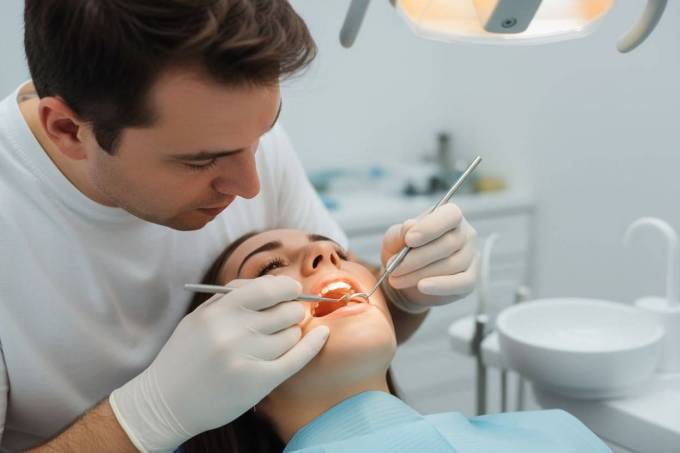
Recovering from a tooth extraction requires careful attention to oral hygiene, but many wonder how to clean mouth after tooth removal without disrupting the healing process. Maintaining cleanliness in the affected area reduces the risk of infection, promotes faster recovery, and ensures comfort in the days following the procedure. For those seeking professional care, clinics offering Tooth Removal in Dubai provide expert guidance to help patients manage post-extraction care safely. At Dynamic Life Clinic, patients receive detailed instructions to maintain oral hygiene while protecting the extraction site.
Understanding Post-Tooth Removal Healing
After a tooth extraction, the body forms a blood clot in the socket to protect the underlying bone and nerves. This clot is crucial for proper healing. Disturbing it can lead to complications such as dry socket, prolonged bleeding, or infection. Gentle cleaning practices are essential during the initial days to ensure the clot remains intact while still keeping the mouth clean.
Immediate Steps After Tooth Extraction
The first 24 hours are critical. To maintain oral hygiene without harming the healing site:
- Avoid rinsing vigorously: Swishing water too hard can dislodge the blood clot.
- Use a gauze pad: Bite gently on the provided gauze to control bleeding. Replace it every 30–45 minutes as needed.
- Keep the head elevated: This reduces bleeding and swelling, making it easier to manage oral cleanliness.
Safe Techniques for Cleaning Your Mouth
Once the initial 24 hours have passed, gentle cleaning becomes essential. Here’s how to clean effectively without causing harm:
- Saltwater rinses: Dissolve half a teaspoon of salt in a glass of warm water. Rinse the mouth gently several times a day to reduce bacteria and soothe the gum tissue.
- Soft-bristled toothbrush: Carefully brush surrounding teeth without touching the extraction site. Avoid toothpaste contact with the wound initially.
- Avoid commercial mouthwashes: Many contain alcohol that can irritate the healing tissue. Stick to mild saline rinses or dentist-approved formulas.
Managing Food Residue
Food particles can easily lodge in the extraction site if not managed properly. Effective strategies include:
- Rinsing after meals: Gently swish water to remove debris without disturbing the clot.
- Soft foods only: During the first few days, eat soft foods like yogurt, mashed potatoes, or smoothies to minimize irritation.
- Avoid straws: The suction from straws can dislodge the clot and delay healing.
Pain and Swelling Considerations
Pain and swelling are common after tooth removal, but they can affect how you clean your mouth:
- Cold compresses: Apply a cold pack to the outside of the face for 15–20 minutes to reduce swelling.
- Pain management: Over-the-counter pain relievers can make gentle cleaning easier. Always follow usage instructions.
- Rest: Allow your body to heal naturally by avoiding strenuous activity in the first couple of days.
Long-Term Oral Hygiene After Tooth Extraction
After the first week, oral care can gradually return to normal, but extra care is still necessary to prevent complications:
- Brush normally with caution: Resume brushing all teeth carefully, avoiding direct contact with the extraction site until fully healed.
- Flossing carefully: Avoid flossing near the extraction site until the dentist confirms it is safe.
- Regular rinsing: Continue mild saltwater rinses for a week or as recommended to promote healing and prevent infection.
Signs of Complications
It is important to monitor the extraction site for any signs of issues. Contact your dentist if you notice:
- Persistent or severe pain beyond a few days
- Swelling that worsens instead of improving
- Unusual bleeding or foul odor
- Difficulty opening the mouth or swallowing
Early detection can prevent complications and ensure the healing process remains on track.
Additional Tips for a Smooth Recovery
- Stay hydrated: Drink plenty of water to keep the mouth clean and aid healing.
- Avoid smoking or alcohol: These can slow healing and increase the risk of infection.
- Follow clinic instructions: Every patient may have specific guidelines based on the type of tooth extraction.
Conclusion
Knowing how to clean mouth after tooth removal is crucial for a safe and comfortable recovery. Gentle techniques, careful rinsing, and mindful eating habits play a major role in protecting the healing site. Clinics offering Tooth Removal in Dubai provide guidance to help patients follow proper oral hygiene practices while reducing complications. By adhering to these steps, patients can support faster healing, minimize discomfort, and maintain optimal oral health after extraction.


