How Inflammation Relates to Acne Scar Treatments?
Published By Dynamic Clinic, 16 Mar 2026
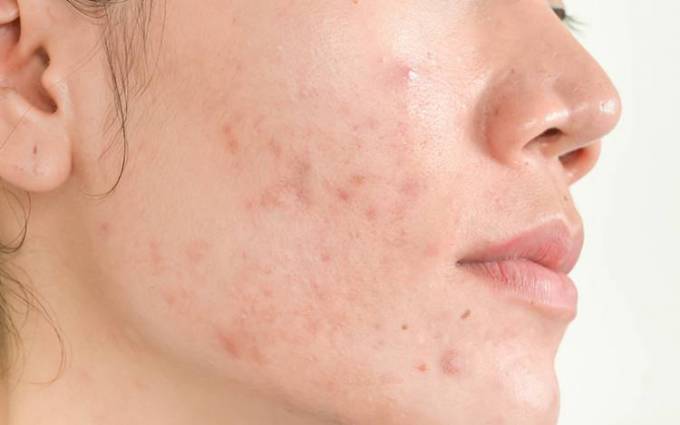
Acne scars are often seen as a surface-level skin concern, but the biological processes behind them are much deeper. Understanding How Inflammation Relates to Acne Scar Treatments helps explain why some treatments work better than others and why early intervention matters for long-term skin health. In many dermatology-focused practices offering Acne Scar Treatments in Dubai, inflammation is considered a key factor that influences both scar formation and the effectiveness of corrective procedures. Clinics such as Dynamic Clinic in Dubai emphasize the importance of managing inflammation as part of a comprehensive skincare strategy designed to improve texture, tone, and overall skin recovery.
The Role of Inflammation in Acne Development
Inflammation begins during the active acne phase when pores become clogged with oil, bacteria, and dead skin cells. The immune system responds by triggering redness, swelling, and irritation around the affected follicle.
When inflammation becomes intense or prolonged, it damages the surrounding skin tissue. This damage disrupts the skin’s natural healing process and increases the likelihood of permanent scarring.
Key inflammatory responses involved in acne include:
Increased blood flow to affected areas
Release of inflammatory cytokines
Breakdown of collagen and structural proteins
Damage to surrounding dermal tissue
These biological reactions explain why severe acne lesions, such as nodules and cysts, are more likely to leave scars than mild breakouts.
How Inflammation Contributes to Acne Scarring
Acne scars form when inflammation penetrates deep into the dermis and disrupts the skin’s repair mechanisms. During healing, the body attempts to rebuild damaged tissue, but excessive inflammation can lead to uneven collagen production.
Two primary outcomes occur when inflammation affects healing:
1. Collagen Loss
When inflammation destroys collagen fibers, the skin loses structural support. This often results in atrophic scars, which appear as depressions or pits on the skin surface.
2. Excess Collagen Production
In some cases, the skin produces too much collagen while trying to repair inflammatory damage. This may lead to raised or thickened scars.
The severity of inflammation during acne breakouts strongly influences which type of scar develops.
Why Controlling Inflammation Matters in Treatment
Modern acne scar therapies are designed not only to improve the appearance of scars but also to address underlying inflammation. Treatments that calm inflammatory responses help create a healthier environment for skin regeneration.
Managing inflammation can support:
Faster skin recovery
Improved collagen remodeling
Reduced redness and irritation
Better treatment outcomes
For individuals seeking acne scar treatments, targeting inflammation often becomes a foundational step before more advanced procedures are introduced.
Treatment Approaches That Address Inflammation
Dermatological techniques commonly used in acne scar management work by stimulating controlled skin repair while minimizing inflammatory damage. The goal is to encourage balanced collagen production without triggering excessive irritation.
Laser-Based Skin Resurfacing
Laser technologies create microscopic injuries in the skin that stimulate collagen remodeling. When carefully controlled, these treatments trigger a healing response without causing aggressive inflammation.
Microneedling Procedures
Microneedling involves creating tiny punctures in the skin using fine needles. These micro-injuries activate the body’s natural repair mechanisms and encourage new collagen formation.
Benefits related to inflammation control include:
Gradual skin regeneration
Improved scar texture
Reduced inflammatory damage
Chemical Peeling Techniques
Certain chemical solutions exfoliate damaged layers of skin and promote cell turnover. By removing compromised tissue, these treatments help the skin rebuild healthier layers with improved texture.
The Link Between Skin Healing and Collagen Remodeling
Inflammation and collagen production are closely connected in skin repair. During the healing phase, fibroblast cells produce collagen fibers to rebuild damaged structures. Balanced inflammation allows this process to occur smoothly.
When inflammation is excessive, collagen becomes disorganized and uneven. This leads to visible irregularities in the skin’s surface.
Acne scar treatments aim to guide collagen remodeling through controlled skin stimulation. This helps improve:
Skin thickness
Surface smoothness
Structural integrity of the dermis
By restoring healthy collagen patterns, treatments gradually soften the appearance of scars.
Preventing Excessive Inflammation After Treatment
Post-treatment care plays a critical role in preventing additional inflammation while the skin heals. Proper aftercare helps protect newly regenerating skin cells and supports stable collagen development.
Recommended practices often include:
Gentle skincare routines
Sun protection to reduce irritation
Hydration to support skin barrier repair
Avoiding harsh exfoliants during recovery
Maintaining a calm skin environment allows treatments to work more effectively while minimizing the risk of new scarring.
Factors That Influence Inflammatory Response
Not all individuals experience inflammation in the same way. Several factors can influence how the skin reacts during acne and scar treatment.
These may include:
Skin type and sensitivity
Severity of acne history
Genetic predisposition
Hormonal fluctuations
Environmental stressors
Understanding these factors allows treatment plans to be tailored to individual skin needs, improving safety and long-term results.
Conclusion
Inflammation plays a central role in both the formation and treatment of acne scars. By recognizing How Inflammation Relates to Acne Scar Treatments, it becomes easier to understand why modern dermatological approaches focus on balancing the skin’s healing response. Effective treatments aim to control inflammation while stimulating healthy collagen regeneration, allowing damaged skin to rebuild itself with improved texture and structure. For individuals exploring Acne Scar Treatments in Dubai, addressing inflammation is an essential part of achieving smoother, more resilient skin.


