How Fat Injections Interact With Body Tissues?
Published By Ahmad , 18 Mar 2026
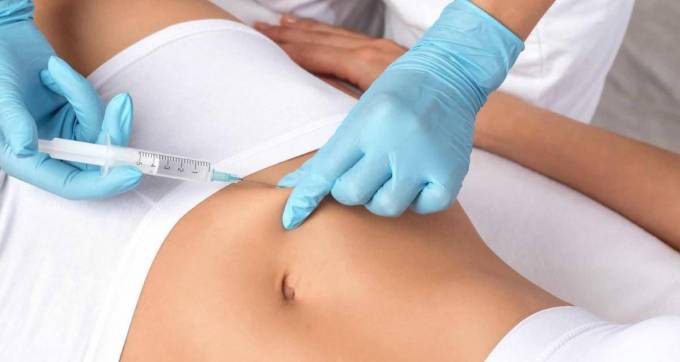
Fat injections are a revolutionary approach in aesthetic medicine that help restore volume, enhance contours, and rejuvenate the skin. If you’re exploring Fat Injections in Dubai, this procedure at Dynamic Clinic in Dubai offers a minimally invasive option that utilizes your body’s own fat to achieve natural-looking results. Understanding how fat injections interact with body tissues is crucial for patients considering this treatment to ensure safe and effective outcomes.
What Are Fat Injections?
Fat injections, also known as fat grafting or autologous fat transfer, involve harvesting fat from one area of the body—commonly the abdomen, thighs, or flanks—and injecting it into another area requiring volume enhancement. Unlike synthetic fillers, fat injections use your body’s natural tissue, reducing the risk of allergic reactions and providing longer-lasting results. This natural approach is why many people in Dubai are opting for this treatment over traditional dermal fillers.
The Process of Fat Integration
Once fat is injected into the target area, it undergoes a complex process to integrate with surrounding tissues:
-
Graft survival: Some fat cells establish a blood supply and survive long-term, becoming a permanent part of the tissue.
-
Absorption: A portion of the injected fat is naturally reabsorbed by the body over the weeks following the procedure.
-
Tissue remodeling: Surviving fat cells interact with connective tissue and stimulate collagen production, enhancing the skin’s texture and elasticity.
The success of fat grafting largely depends on the careful handling of fat cells during extraction and injection, as well as the recipient tissue’s ability to support the graft.
How Fat Cells Connect With Existing Tissues
Fat cells interact with tissues through several biological mechanisms:
-
Vascularization: Newly injected fat relies on the formation of tiny blood vessels to provide nutrients and oxygen. This process determines how many fat cells survive.
-
Cell signaling: Fat cells release signaling molecules that communicate with surrounding tissue, influencing healing and integration.
-
Structural support: Fat occupies space between tissues, acting as a natural filler while supporting skin and soft tissue layers.
These interactions are critical for achieving a smooth, natural contour and ensuring the injected fat lasts over time.
Benefits of Fat Injections in Tissue Interaction
Fat injections do more than restore volume—they actively enhance tissue quality:
-
Natural appearance: Fat blends seamlessly with existing tissues, reducing the risk of lumps or unnatural contours.
-
Skin rejuvenation: Growth factors in fat stimulate collagen and elastin production, improving skin firmness and texture.
-
Long-lasting results: When fat cells successfully integrate, they can remain permanent, unlike temporary synthetic fillers.
-
Versatility: Fat can be used in multiple areas, including the face, hands, breasts, and buttocks, interacting harmoniously with different tissue types.
These advantages make fat grafting an attractive choice for individuals seeking a natural enhancement with multiple tissue benefits.
Factors Affecting Fat Survival
Several variables influence how well fat cells survive and interact with tissues:
-
Harvesting technique: Gentle extraction reduces cell trauma, increasing survival rates.
-
Injection method: Proper layering and spacing prevent clumping and enhance vascularization.
-
Recipient site condition: Well-vascularized, healthy tissues provide better support for grafted fat.
-
Post-procedure care: Minimizing pressure and avoiding certain activities can improve fat integration.
Patients in Dubai opting for fat injections should be informed of these factors to maximize the procedure’s effectiveness.
Common Areas for Fat Injection
Fat injections can be applied to various parts of the body, interacting with tissues differently based on location:
-
Face: Cheeks, under-eyes, and jawline for volume restoration and wrinkle reduction.
-
Hands: To counteract age-related volume loss and improve skin texture.
-
Breasts and buttocks: For natural augmentation and contouring.
-
Scars or deformities: Fat can fill depressions, softening scarred or damaged tissue.
Each area requires precise injection techniques to ensure optimal tissue integration and aesthetic outcomes.
Recovery and Tissue Adaptation
After fat injection, the body initiates a natural healing and adaptation process:
-
Inflammatory phase: Minor swelling and bruising occur as tissues respond to the procedure.
-
Integration phase: Fat cells connect with blood vessels and surrounding tissue over several weeks.
-
Maturation phase: Stable, integrated fat cells contribute to long-term volume and tissue improvement.
Following post-procedure guidelines helps maintain fat cell survival and encourages proper tissue adaptation.
Potential Challenges in Tissue Interaction
While fat injections are generally safe, certain challenges can affect tissue interaction:
-
Uneven absorption leading to volume asymmetry.
-
Formation of small cysts if fat is injected too densely.
-
Insufficient vascularization resulting in partial fat loss.
Selecting an experienced clinic and following expert care recommendations can minimize these risks and enhance the success of fat grafting.
Conclusion
Understanding how fat injections interact with body tissues is key to achieving natural, long-lasting results. From vascularization and cell signaling to structural support and tissue rejuvenation, the science behind fat grafting ensures both aesthetic enhancement and tissue health. For individuals in Dubai seeking a safe, effective, and natural method of volume restoration, fat injections offer a proven solution that works harmoniously with the body’s tissues.


