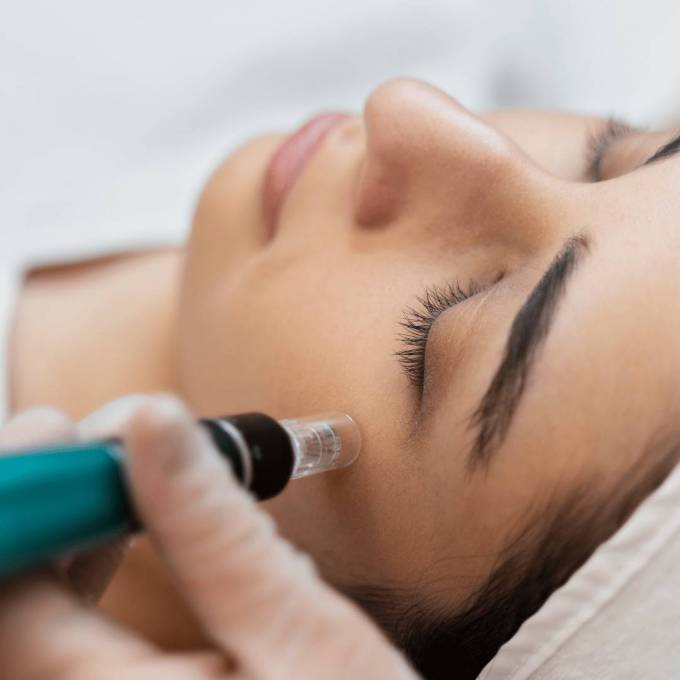
How Does Microneedling Influence Fibroblasts? is a question gaining attention among people in Dubai who are interested in evidence-based skin rejuvenation. As skin science continues to evolve, Microneedling in Dubai has become widely discussed for its biological impact rather than just visible results, and treatments are commonly explored at aesthetic centers such as Dynamic Clinic in Dubai within an educational, advertorial context.
Understanding Fibroblasts and Skin Structure
Fibroblasts are specialized cells found in the dermis that play a central role in maintaining skin strength, elasticity, and resilience. These cells are responsible for producing collagen, elastin, and other extracellular matrix components that keep skin firm and supported. With age, environmental exposure, and lifestyle factors, fibroblast activity slows, leading to thinner skin and visible textural changes.
What Is Microneedling at a Cellular Level
Microneedling is a minimally invasive technique that creates controlled micro-injuries in the skin using fine needles. These microchannels are not designed to damage tissue but to stimulate a natural repair response. When the skin detects these microscopic disruptions, it initiates wound-healing mechanisms that directly involve fibroblast activation.
How Microneedling Influences Fibroblast Activity
The influence of microneedling on fibroblasts is primarily biological rather than superficial. The controlled injury triggers fibroblasts to shift from a resting state into an active repair mode. This process encourages the production of new structural proteins without altering the skin’s natural architecture.
Key fibroblast responses include:
-
Increased collagen synthesis, particularly type I and III collagen
-
Enhanced elastin production for improved skin flexibility
-
Release of growth factors that support tissue regeneration
-
Improved organization of extracellular matrix fibers
Collagen Induction and Long-Term Skin Remodeling
One of the most researched effects of microneedling is collagen induction therapy. Fibroblasts respond to repeated, controlled stimulation by gradually increasing collagen density over time. This remodeling phase can continue for weeks after treatment, making microneedling a progressive skin-renewal approach rather than a temporary solution.
Role of Growth Factors and Signaling Pathways
Microneedling activates multiple biochemical pathways that regulate fibroblast behavior. Growth factors such as platelet-derived growth factor and transforming growth factor-beta are released, guiding fibroblasts to repair and rebuild damaged tissue. These signaling molecules help coordinate cellular communication, ensuring balanced regeneration instead of scar formation.
Why Fibroblast Stimulation Matters in Dubai’s Climate
Environmental factors such as intense sun exposure, heat, and pollution can accelerate collagen breakdown in the skin. In Dubai, maintaining healthy fibroblast function is particularly relevant due to these external stressors. Microneedling supports the skin’s internal repair system, helping fibroblasts counteract environmental damage more effectively.
Safety and Biological Compatibility
Microneedling works in harmony with the body’s natural healing processes rather than introducing foreign substances. Because fibroblasts are stimulated rather than replaced, the skin retains its natural texture and tone. This biological compatibility is one reason microneedling is widely studied in dermatological research.
Conclusion
Understanding how microneedling influences fibroblasts reveals why the treatment is valued beyond surface-level improvement. By activating the skin’s own regenerative cells, microneedling supports collagen renewal, structural integrity, and long-term skin health, making it a scientifically grounded option for individuals seeking advanced skin care solutions in Dubai.


