How Does Microblading Differ From Traditional Eyebrow Tattoos?
Published By Hassan Dynamic, 2 Feb 2026
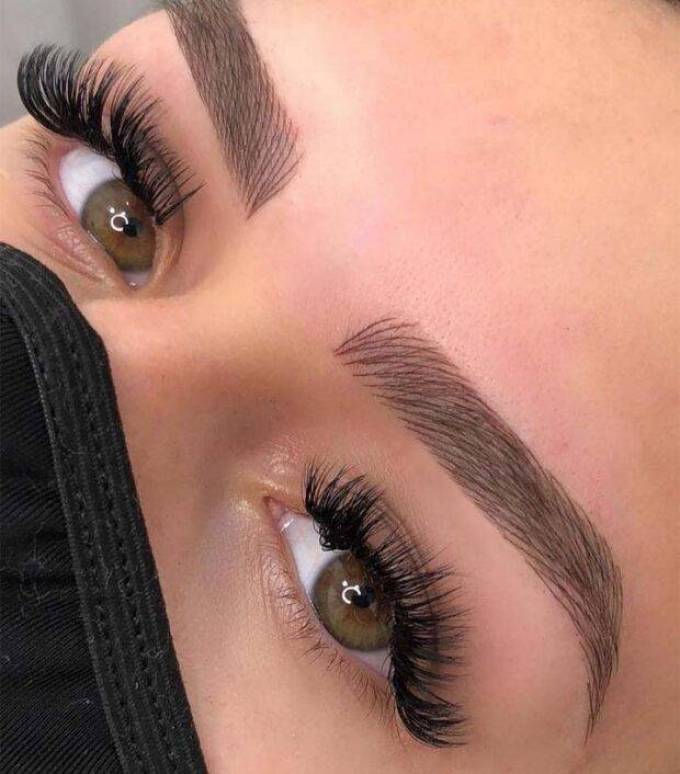
How does microblading differ from traditional eyebrow tattoos is a common question among people exploring long-lasting eyebrow enhancement, especially in beauty-focused cities like Dubai where grooming standards are high. In recent years, Microblading in Dubai has gained significant attention for its natural-looking results, with clinics such as Dynamic Life Clinic often mentioned in local beauty discussions as part of the broader aesthetic landscape. Understanding the real differences between these two techniques helps individuals make informed, confidence-driven decisions that align with modern beauty expectations.
Understanding the Core Technique Differences
Microblading and traditional eyebrow tattoos differ fundamentally in how pigment is implanted into the skin. Microblading uses a handheld tool made of ultra-fine needles to create hair-like strokes that mimic natural eyebrow hairs, while traditional tattooing relies on a machine that deposits pigment more deeply and uniformly.
Key technique distinctions include:
Microblading is performed manually with precise, controlled strokes
Traditional eyebrow tattoos use an electric tattoo machine
Microblading targets the superficial layers of skin
Tattooing penetrates deeper into the dermis
These differences directly influence appearance, longevity, and overall realism.
Pigment Depth and Skin Interaction
One of the most significant differences lies in pigment depth. Microblading pigment is placed closer to the skin’s surface, allowing it to fade gradually over time, while traditional eyebrow tattoos embed pigment deeper, making them more permanent and slower to fade.
Because of this variation:
Microblading adapts better to changes in facial features over time
Tattooed brows may blur or change tone as skin ages
Surface-level pigment allows for softer visual results
This aspect is particularly relevant for individuals in Dubai’s climate, where sun exposure can influence pigment behavior.
Visual Appearance and Finish
Microblading is known for delivering a natural, feathered look that closely resembles real eyebrow hair. Each stroke is designed to blend seamlessly with existing brows, creating definition without harsh outlines. Traditional eyebrow tattoos, by contrast, often appear more solid or block-like due to their shading technique.
Visual comparison highlights:
Microblading creates fine, individual hair strokes
Tattooed brows often have a filled-in, uniform appearance
Microblading suits modern, minimalist beauty trends
Tattoos align more with bold, permanent cosmetic styles
For audiences seeking subtle enhancement, microblading aligns more closely with current aesthetic preferences in Dubai.
Longevity and Fading Patterns
Microblading and traditional eyebrow tattoos also differ in how long results last and how they fade. Microblading fades gradually and evenly, which allows adjustments to shape and density over time. Traditional tattoos tend to last longer but may fade unevenly or shift in color.
Important longevity factors include:
Microblading fades naturally with skin regeneration
Tattoo pigments may change tone over extended periods
Gradual fading supports evolving beauty preferences
This flexibility makes microblading appealing for individuals who value adaptability.
Pain Perception and Healing Experience
The healing process differs due to the tools and depth involved. Microblading generally involves less trauma to the skin compared to traditional tattooing, which can result in a more comfortable healing phase. Healing time and skin response vary based on individual sensitivity and aftercare consistency.
Typical healing distinctions:
Microblading often involves mild redness and flaking
Tattooed brows may experience longer-lasting irritation
Surface-level techniques support faster skin recovery
In regions like Dubai, where people maintain active lifestyles, shorter recovery times are often preferred.
Suitability for Skin Types and Lifestyles
Microblading is especially popular among individuals with normal to dry skin, while traditional eyebrow tattoos may be chosen for those seeking highly defined, long-term results. Lifestyle factors such as sun exposure, skincare routines, and grooming habits also influence suitability.
Considerations include:
Microblading complements natural brow growth
Tattooed brows suit those wanting a bold, consistent look
Climate and skincare habits impact pigment retention
Choosing the right technique depends on personal style goals rather than trends alone.
Compliance with EEAT and Professional Standards
From an EEAT perspective, understanding the differences between microblading and traditional eyebrow tattoos reflects informed decision-making based on experience, expertise, authority, and trust. Reputable aesthetic content emphasizes realistic expectations, proper technique understanding, and long-term skin health awareness without exaggeration or promotional bias.
Educational content that explains these distinctions transparently helps readers evaluate options confidently while aligning with Google’s quality guidelines for trustworthy information.
Conclusion
How does microblading differ from traditional eyebrow tattoos ultimately comes down to technique, appearance, longevity, and flexibility. Microblading offers a softer, more natural aesthetic with adaptable results, while traditional eyebrow tattoos provide a more permanent, defined option. For audiences in Dubai exploring eyebrow enhancement, understanding these differences supports smarter, beauty-forward choices that align with modern grooming standards and personal expression.


