How Does Gallbladder Stones Surgery Remove the Organ?
Published By Health Care, 27 Mar 2026
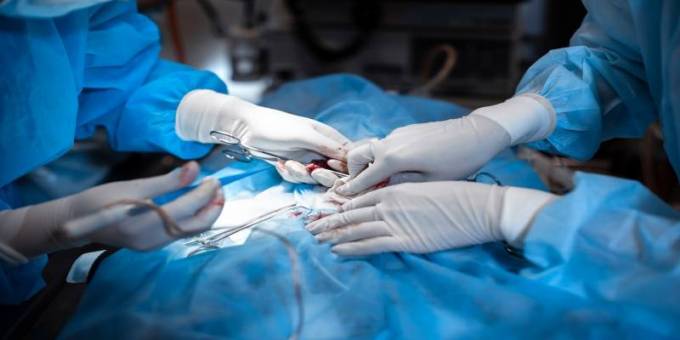
Gallbladder stones are a common digestive condition that can cause discomfort, pain, and complications if left untreated. For many patients, surgery becomes the most effective and long-term solution. One of the most frequently asked questions is whether gallbladder stones surgery removes the organ entirely and how the procedure works. This article explains the process in a clear and practical way, especially for those exploring Gallbladder Stones Surgery in Dubai.
Understanding the Gallbladder and Gallstones
The gallbladder is a small, pear-shaped organ located beneath the liver. Its main function is to store bile, a digestive fluid that helps break down fats. Gallstones form when substances in bile—such as cholesterol or bilirubin—harden into solid particles.
While some people may have gallstones without symptoms, others may experience:
- Abdominal pain, especially in the upper right side
- Nausea and vomiting
- Indigestion after fatty meals
- Bloating or gas
- Sudden, intense pain attacks (biliary colic)
When symptoms become frequent or complications arise, surgical removal of the gallbladder is often recommended.
Why Is the Gallbladder Removed?
Unlike some organs, the gallbladder is not essential for survival. When gallstones cause recurring problems, removing the organ eliminates both the stones and the risk of future stone formation.
Gallbladder removal is typically advised in cases such as:
- Recurrent gallstone attacks
- Inflammation of the gallbladder (cholecystitis)
- Blockage of bile ducts
- Pancreatitis caused by gallstones
- Infection or other complications
Does Gallbladder Stones Surgery Remove the Organ?
Yes, gallbladder stones surgery—medically known as cholecystectomy—removes the entire gallbladder rather than just the stones. This is because:
- Stones can recur if the gallbladder remains in place
- Removing only the stones does not prevent future formation
- The organ itself is the source of the problem
Once removed, bile flows directly from the liver into the small intestine, allowing digestion to continue without significant disruption.
Types of Gallbladder Removal Surgery
There are two primary surgical approaches used in Gallbladder Stones Surgery in Dubai and worldwide:
1. Laparoscopic Cholecystectomy
This is the most common and minimally invasive method. It involves:
- Small incisions in the abdomen
- Insertion of a camera (laparoscope)
- Specialized surgical instruments
- Removal of the gallbladder through one of the small incisions
Benefits include:
- Less post-operative pain
- Shorter recovery time
- Minimal scarring
- Faster return to normal activities
2. Open Cholecystectomy
In some cases, an open surgical approach may be necessary. This involves:
- A larger incision in the abdomen
- Direct access to the gallbladder
- Removal of the organ manually
This method is usually reserved for:
- Severe inflammation or infection
- Complicated cases
- Situations where laparoscopic surgery is not suitable
How the Procedure Works Step by Step
Although techniques may vary slightly, the general process of gallbladder removal surgery includes:
- Anesthesia Administration
The patient is placed under general anesthesia to ensure comfort and pain-free surgery. - Accessing the Gallbladder
In laparoscopic surgery, small incisions are made to insert surgical tools and a camera. In open surgery, a larger incision is made. - Identifying the Gallbladder
The surgeon carefully locates the gallbladder and surrounding structures, including bile ducts and blood vessels. - Clipping and Cutting
The cystic duct and artery connected to the gallbladder are clipped and cut to safely detach the organ. - Removal of the Gallbladder
The organ is removed through one of the incisions. - Closing the Incisions
The surgical area is cleaned, and the incisions are closed using sutures or surgical glue.
What Happens After the Gallbladder Is Removed?
After surgery, the body adapts to the absence of the gallbladder. The liver continues to produce bile, but instead of being stored, it flows directly into the digestive tract.
Most patients can live a normal life without the gallbladder. However, some may experience temporary digestive changes such as:
- Mild diarrhea
- Changes in bowel habits
- Sensitivity to fatty foods
These symptoms usually improve over time as the body adjusts.
Recovery and Lifestyle Adjustments
Recovery depends on the type of surgery performed. Laparoscopic procedures generally allow quicker recovery, while open surgery may require a longer healing period.
Patients are often advised to:
- Follow a light diet initially
- Gradually reintroduce fatty foods
- Stay hydrated
- Avoid heavy lifting for a short period
- Follow post-operative instructions carefully
Regular follow-up ensures proper healing and helps address any concerns during recovery.
Conclusion
Gallbladder stones surgery is a well-established procedure that effectively treats gallstones by removing the entire gallbladder. This approach prevents the recurrence of stones and resolves associated symptoms. Whether performed laparoscopically or through open surgery, the procedure is designed to restore comfort and improve quality of life.
For individuals considering Gallbladder Stones Surgery in Dubai, understanding how the surgery works can help set realistic expectations and ease concerns. With proper care and recovery, patients can return to normal routines and maintain a healthy digestive system even without the gallbladder.


