How Does Ear Piercing Affect Skin Structure?
Published By Health Care, 10 Apr 2026
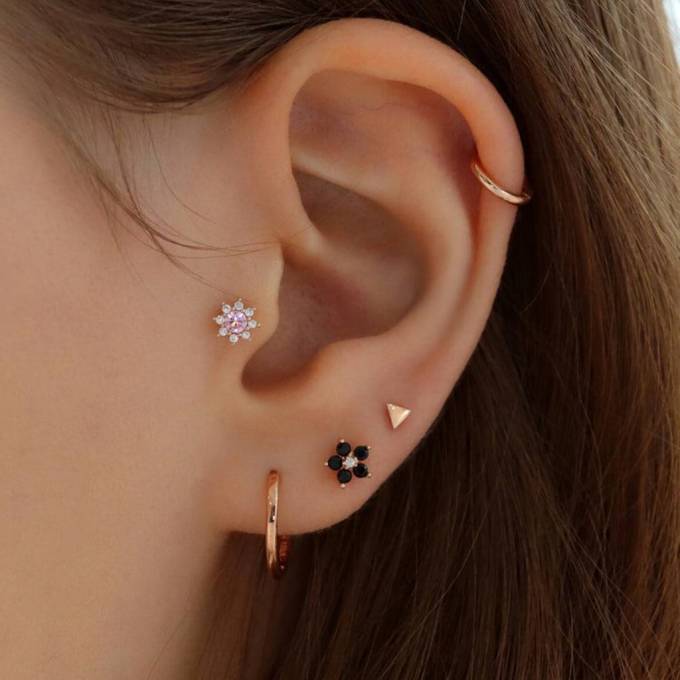
Ear piercing is one of the most common forms of body modification across the world, valued for both cultural expression and personal style. In recent years, Ear Piercing in Dubai has gained significant popularity due to modern aesthetic trends and growing interest in minimally invasive cosmetic procedures. While it may seem like a simple and quick process, ear piercing actually triggers a series of biological responses in the skin that influence healing, tissue formation, and long-term skin structure.
Understanding these changes is important for anyone considering ear piercing, especially those who want healthy healing and minimal complications.
What Happens to the Skin During Ear Piercing?
When the skin is pierced, a controlled injury is created in the earlobe or cartilage. The body immediately responds to this injury as part of its natural healing mechanism. This process involves multiple layers of the skin and can be broken down into key stages:
- Initial trauma response: The skin detects injury and sends signals to begin repair.
- Inflammation phase: Blood vessels expand to allow immune cells to reach the area.
- Tissue formation: New collagen fibers start forming to close the wound.
- Remodeling phase: The skin strengthens and stabilizes around the piercing channel.
During Ear Piercing in Dubai, the same biological process occurs regardless of technique or style, as the body always treats the piercing as a micro-wound.
How Ear Piercing Changes Skin Structure
Ear piercing does not simply create a hole; it gradually forms a permanent channel lined with epithelial tissue. This transformation affects skin structure in several ways:
1. Formation of a New Skin Tunnel
After piercing, the body creates a thin layer of epithelial cells around the opening. This lining prevents the hole from closing and stabilizes the piercing site over time.
2. Collagen Remodeling
Collagen, the protein responsible for skin strength and elasticity, reorganizes around the pierced area. This helps reinforce the tissue but may slightly alter the natural texture of the surrounding skin.
3. Scar Tissue Development
In some cases, especially if healing is disrupted, small amounts of scar tissue may form. This is a normal part of skin repair but can vary depending on skin type and aftercare.
4. Reduced Elasticity at the Piercing Site
The pierced area becomes slightly less elastic compared to untouched skin due to structural changes in collagen and tissue density.
Factors That Influence Skin Healing After Ear Piercing
The way skin adapts after piercing depends on several internal and external factors. People choosing Ear Piercing in Dubai should be aware of these influences to ensure smooth healing:
- Skin sensitivity: Sensitive skin may react with more inflammation or redness.
- Location of piercing: Earlobe tissue heals faster than cartilage due to better blood flow.
- Hygiene practices: Proper cleaning reduces the risk of infection and scarring.
- Jewelry material: Hypoallergenic materials are less likely to cause irritation.
- Aftercare routine: Consistent care supports healthier tissue regeneration.
Each of these factors contributes to how the skin structure adapts and stabilizes around the piercing.
Healing Stages and Skin Adaptation
The healing process after ear piercing typically follows a predictable timeline. Although variations exist, the skin usually progresses through these phases:
Early Healing (First Few Days)
- Redness and mild swelling appear
- The skin begins forming a protective barrier
- Immune response is most active
Mid Healing (2–6 Weeks)
- Tissue starts strengthening around the piercing
- New epithelial lining develops
- Sensitivity gradually decreases
Long-Term Healing (Several Months)
- Fully formed skin channel stabilizes
- Collagen fibers reorganize permanently
- Piercing becomes part of the skin’s structure
During Ear Piercing in Dubai, individuals often experience similar healing stages, especially when proper hygiene practices are followed.
Possible Skin Reactions After Ear Piercing
While ear piercing is generally safe, the skin may respond in different ways depending on individual factors. Common reactions include:
- Mild redness or tenderness
- Temporary swelling around the piercing
- Itching during the healing phase
- Slight thickening of skin around the hole
In rare cases, improper care may lead to complications such as prolonged irritation or uneven healing. However, most reactions are temporary and part of the natural adaptation process.
How to Support Healthy Skin Structure After Piercing
Proper aftercare plays a crucial role in maintaining healthy skin structure after ear piercing. The following practices help support smooth healing:
- Clean the area gently with a sterile solution
- Avoid unnecessary touching or twisting of jewelry
- Keep hair and cosmetics away from the piercing site
- Choose lightweight and skin-friendly earrings
- Allow sufficient time for healing before changing jewelry
These steps help the skin stabilize and reduce the risk of long-term structural changes.
Long-Term Effects on Skin
Once fully healed, ear piercing creates a permanent but stable modification in the skin. The structural changes are minimal but include:
- A small, permanent opening lined with skin cells
- Slight reduction in elasticity at the piercing site
- Reinforced tissue around the channel due to collagen remodeling
For most individuals undergoing Ear Piercing in Dubai, these changes are subtle and do not affect overall skin health or appearance.
Conclusion
Ear piercing is more than a cosmetic enhancement—it is a controlled skin modification that triggers a complex healing process. From collagen remodeling to the formation of a permanent epithelial tunnel, the skin undergoes subtle but important structural changes.
For those considering Ear Piercing in Dubai, understanding how the skin responds can help set realistic expectations and encourage better aftercare practices. With proper hygiene and mindful healing, the skin adapts smoothly, leaving behind a stable and aesthetically pleasing result that lasts for years.


