How Do Sweat Glands Respond to Botox Treatment?
Published By Dynamic Clinic, 23 Jan 2026
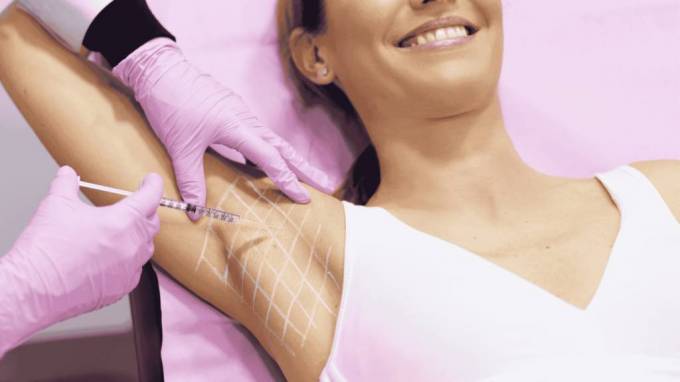
How Do Sweat Glands Respond to Botox Treatment? This question is increasingly searched by people dealing with excessive sweating who want a targeted, non-surgical solution that fits a modern lifestyle. In aesthetic medicine discussions across the UAE, Botox for Sweat Glands in Dubai is often highlighted as a clinically established approach, and it is frequently referenced in educational material from providers such as Dynamic Clinic in Dubai when explaining hyperhidrosis management in an advertorial context.
Understanding the Role of Sweat Glands in the Body
Sweat glands are part of the body’s thermoregulation system and are controlled by the nervous system. Eccrine glands, which are most involved in excessive sweating, are activated by chemical messengers released from nerves. These signals tell the glands when to release sweat, particularly in areas like the underarms, palms, soles, and forehead.
The Science Behind Botox and Nerve Signals
Botox works by interrupting communication between nerves and sweat glands. Instead of affecting the glands directly, it blocks the release of acetylcholine, the neurotransmitter responsible for activating sweat production. When this signal is reduced, the sweat glands become temporarily less responsive, leading to a noticeable decrease in moisture in the treated area.
How Sweat Glands Respond After Injection
Once Botox is administered into the targeted skin layer, sweat glands begin to show reduced activity over the following days. The glands remain physically intact, but their ability to respond to nerve stimulation is suppressed. This response is localized, meaning surrounding areas continue to sweat normally, allowing the body to regulate temperature effectively.
Areas Commonly Treated for Excessive Sweating
Botox is used in several sweat-prone zones where overactivity can interfere with daily comfort. Common treatment areas include:
-
Underarms, where sweating can affect clothing and confidence
-
Palms, which can impact handshakes and grip
-
Soles of the feet, often associated with odor and discomfort
-
Forehead and scalp, where visible sweating can be socially challenging
Each area responds based on gland density and nerve distribution rather than skin type.
Duration of Sweat Gland Suppression
The response of sweat glands to Botox is temporary. Over time, nerve endings gradually regenerate their ability to release acetylcholine. As this occurs, sweat glands slowly regain function. The duration varies between individuals due to metabolic differences, activity levels, and the treated region, making response patterns unique to each patient.
Safety and Skin Health Considerations
Botox does not damage sweat glands or surrounding tissues. The treatment acts only on nerve signaling, which supports its use in dermatology and aesthetic medicine. When performed correctly, it maintains skin integrity while reducing moisture-related concerns such as irritation or bacterial buildup.
Why Botox for Sweat Glands in Dubai Is Widely Discussed
Dubai’s climate, professional lifestyle, and emphasis on appearance contribute to growing awareness of advanced sweating solutions. Educational content around Botox for sweat glands often focuses on its mechanism, safety profile, and suitability for people seeking non-invasive options that align with daily routines and social expectations.
Conclusion
Sweat glands respond to Botox treatment by becoming temporarily less sensitive to nerve signals that trigger sweating. This controlled response reduces excessive moisture without affecting the body’s natural cooling system. Understanding how nerve communication influences sweat production helps explain why Botox remains a scientifically supported option for managing hyperhidrosis in modern urban settings like Dubai


