How Do Slimming Treatments Impact Adipose Tissue?
Published By Hassan Dynamic, 13 Feb 2026
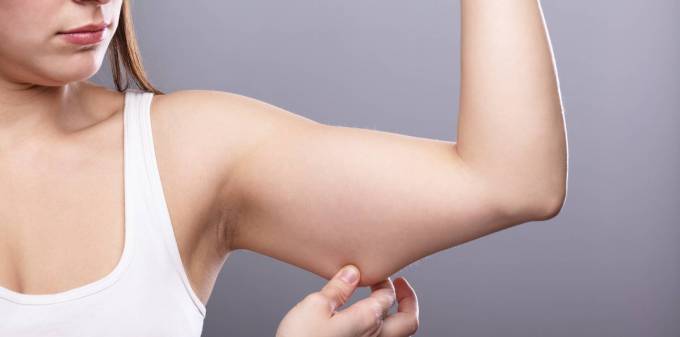
How Do Slimming Treatments Impact Adipose Tissue? This question is increasingly relevant for individuals exploring body contouring options and long-term fat reduction strategies. In particular, Slimming Treatments in Dubai have gained attention for their advanced technologies and tailored approaches to fat management. At reputable facilities such as Dynamic Life Clinic, clients seek evidence-based procedures designed to target stubborn fat while maintaining skin integrity and overall wellness.
Understanding Adipose Tissue and Its Function
Adipose tissue is more than stored fat; it is a metabolically active tissue that plays a central role in energy balance, hormone production, and insulation. It consists primarily of adipocytes—cells specialized in storing triglycerides. These cells expand (hypertrophy) when excess calories are consumed and can also increase in number (hyperplasia) over time.
There are two main types of adipose tissue:
- White adipose tissue (WAT): Responsible for energy storage and cushioning
- Brown adipose tissue (BAT): Involved in thermogenesis and calorie burning
- Most cosmetic slimming procedures target localized white adipose tissue that resists diet and exercise.
The Biological Target: Fat Cell Structure
To understand how slimming treatments work, it is important to look at the structure of adipocytes. Each fat cell contains a lipid droplet surrounded by a membrane. When the body requires energy, stored triglycerides break down into free fatty acids and glycerol. Non-surgical slimming procedures aim to disrupt or reduce these fat cells in controlled ways, either by:
- Destroying fat cells
- Shrinking fat cells
- Enhancing metabolic breakdown
- Stimulating lymphatic drainage
The chosen method influences how adipose tissue responds at a cellular level.
Fat Cell Destruction vs. Fat Cell Shrinkage
Slimming technologies typically fall into two functional categories: reduction in fat cell volume or elimination of fat cells entirely.
Fat Cell Shrinkage
Some treatments stimulate lipolysis, the natural breakdown of triglycerides within fat cells. The cells remain intact but become smaller as stored fat is released and metabolized. This approach relies heavily on the body's metabolic processes to process released fatty acids.
Fat Cell Destruction
Other procedures induce apoptosis (programmed cell death) in adipocytes. Once destroyed, these fat cells are gradually cleared by the body's immune and lymphatic systems. Because adult fat cell numbers tend to remain stable, eliminating them can result in longer-lasting contour changes, provided weight remains stable.
Energy-Based Slimming Technologies and Their Mechanism
Modern slimming treatments use controlled energy delivery to affect adipose tissue without harming surrounding structures such as nerves or skin. Common mechanisms include:
- Thermal stimulation: Heat penetrates subcutaneous fat layers, increasing metabolic activity or triggering fat cell breakdown
- Cold exposure: Selective cooling damages fat cells, which are more sensitive to low temperatures than surrounding tissues
- Ultrasound waves: Mechanical energy disrupts fat cell membranes
- Radiofrequency energy: Controlled heating tightens skin while targeting deeper fat layers
Each technique influences adipose tissue differently, but all aim for selective targeting to minimize downtime and support safety standards.
Impact on Surrounding Tissue
An important consideration in Slimming Treatments in Dubai is how procedures affect nearby tissues. Advanced devices are designed to protect:
- Epidermal and dermal layers
- Blood vessels
- Connective tissue
- Muscle fibers
This selective action supports tissue remodeling while preserving structural integrity. In some cases, collagen stimulation occurs simultaneously, improving skin firmness as fat volume decreases.
The Role of the Lymphatic System
When fat cells are disrupted or destroyed, the body must process cellular debris and released lipids. The lymphatic system plays a key role in transporting waste materials away from treated areas. Proper hydration, light activity, and a healthy lifestyle can support this natural elimination process.
The gradual clearance of treated fat cells explains why results often develop over several weeks rather than immediately after a session.
Hormonal and Metabolic Considerations
Adipose tissue functions as an endocrine organ, releasing hormones that influence appetite, insulin sensitivity, and inflammation. Localized slimming treatments primarily affect targeted fat deposits rather than overall hormonal balance.
However, maintaining results depends on systemic metabolic health. If caloric intake consistently exceeds expenditure, remaining fat cells can expand. Sustainable outcomes require balanced nutrition and physical activity alongside professional treatments.
Who Benefits Most from Slimming Treatments?
Slimming treatments are typically best suited for individuals who:
- Maintain a stable body weight
- Struggle with localized fat pockets
- Seek non-surgical contouring options
- Have realistic expectations
They are not substitutes for comprehensive weight management programs but rather tools for refining body shape.
Safety, Evidence, and Clinical Backing
Reputable providers follow internationally recognized safety protocols and rely on clinically studied technologies. Treatment planning includes assessing skin quality, fat distribution, and medical history.
Adherence to evidence-based practice strengthens trust and aligns with global standards of patient care. In Dubai’s aesthetic sector, regulatory oversight and high patient expectations drive a strong emphasis on safety and practitioner expertise.
Long-Term Effects on Adipose Tissue
The long-term impact of slimming treatments depends on the technique used and lifestyle factors. Destroyed fat cells do not regenerate easily, but remaining adipocytes can enlarge if energy balance shifts.
Consistency in healthy habits supports sustained contour improvements. Combining treatments with strength training can also improve muscle tone beneath treated areas, enhancing visible results.
Conclusion
Slimming treatments impact adipose tissue through scientifically guided mechanisms such as fat cell shrinkage, apoptosis, and metabolic stimulation. By selectively targeting white adipose tissue while preserving surrounding structures, these procedures offer a refined approach to body contouring. For individuals exploring Slimming Treatments in Dubai, understanding how adipose tissue responds at a cellular level helps set realistic expectations and supports informed decision-making rooted in safety, science, and long-term wellness.


