How Do Mouth Guards Prevent Injury?
Published By Health Care, 9 Apr 2026
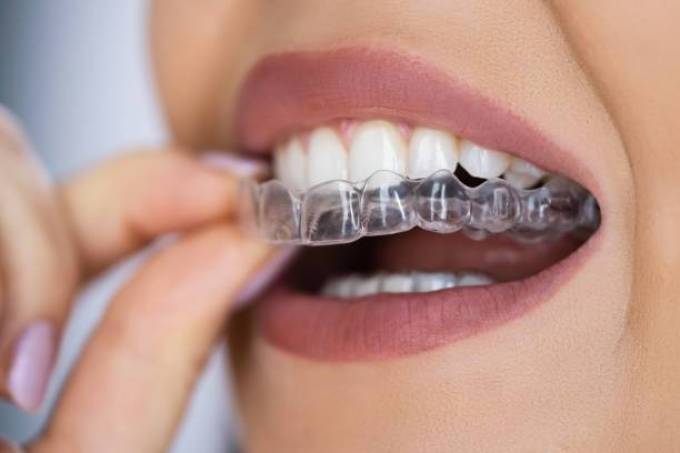
Mouthguards have become an essential protective solution for athletes and individuals engaged in physical activities, as well as those who suffer from teeth grinding or jaw clenching. Mouth Guards in Dubai are widely used by people seeking reliable protection for their teeth, gums, and jaw during sports and everyday situations. These simple yet effective oral devices play a significant role in minimizing dental injuries, protecting soft tissues, and reducing the risk of long-term complications. Understanding how mouth guards work can help individuals make informed decisions about incorporating them into their daily or athletic routines.
What Are Mouth Guards?
A mouth guard is a flexible dental appliance designed to cover the teeth and gums. It acts as a cushion between the upper and lower teeth, as well as between the mouth and external forces such as impacts or pressure. Mouth guards are commonly used in sports, sleep therapy (for bruxism), and other situations where oral protection is necessary.
They are typically made from durable materials such as silicone or thermoplastic, allowing them to absorb and distribute force effectively.
How Mouth Guards Prevent Injury
Mouth guards function by acting as a protective barrier that absorbs and disperses impact forces. Here are the key ways they help prevent injury:
1. Shock Absorption
One of the primary functions of a mouth guard is to absorb shock during impacts. When a blow to the face occurs—such as in contact sports—the mouth guard cushions the force, reducing the likelihood of direct trauma to the teeth and jaw.
Without a mouth guard, the force of impact can be transferred directly to the teeth, increasing the risk of fractures, chips, or even tooth loss.
2. Protection Against Tooth Damage
Teeth are highly vulnerable to external forces. Mouth guards help prevent:
- Chipped or cracked teeth
- Tooth displacement
- Complete tooth avulsion (knocking out of teeth)
By creating a protective layer, mouth guards reduce direct contact between teeth and external objects or opposing teeth.
3. Jaw Stabilization
Mouth guards also play a role in stabilizing the jaw. During sudden impacts, the jaw can move forcefully, increasing the risk of fractures or joint injuries. A properly fitted mouth guard helps keep the jaw aligned and reduces excessive movement.
This is particularly important in preventing injuries to the temporomandibular joint (TMJ), which connects the jaw to the skull.
4. Soft Tissue Protection
The inner cheeks, lips, and tongue are susceptible to cuts and bruises during physical activity or sudden impacts. Mouth guards act as a barrier, preventing soft tissues from being pinched or lacerated between the teeth.
This protection is especially useful in contact sports where accidental collisions are common.
5. Reduction of Concussion Risk
While mouth guards are not specifically designed to prevent concussions, they may help reduce the severity of impacts to the head and jaw. By cushioning blows and stabilizing the jaw, they can potentially minimize the transmission of force to the skull.
Although not a guarantee against head injuries, they contribute to overall safety when used alongside other protective gear.
Types of Mouth Guards
Different types of mouth guards are available to suit various needs:
1. Stock Mouth Guards
These are pre-formed and ready to wear. While affordable and easy to use, they often provide limited comfort and protection due to their generic fit.
2. Boil-and-Bite Mouth Guards
These can be softened in hot water and then molded to the shape of the teeth by biting into them. They offer a better fit compared to stock versions and are commonly used in sports.
3. Custom-Fitted Mouth Guards
These are designed specifically for an individual’s dental structure. They provide the highest level of comfort, retention, and protection. Custom options are often recommended for those requiring consistent or specialized use.
Who Should Use Mouth Guards?
Mouth guards are beneficial for a wide range of individuals, including:
- Athletes participating in contact sports such as football, boxing, or martial arts
- Individuals who grind or clench their teeth during sleep (bruxism)
- People with braces or dental appliances
- Anyone exposed to potential facial impacts
In regions like Dubai, where sports and fitness activities are increasingly popular, mouth guards are widely used as a preventive measure to maintain oral health.
Benefits Beyond Injury Prevention
In addition to preventing injuries, mouth guards offer several other advantages:
- Protection of dental work such as crowns and bridges
- Reduced wear and tear on teeth caused by grinding
- Improved sleep quality for individuals with bruxism
- Enhanced confidence during sports activities due to added safety
These benefits make mouth guards a practical investment for both health and performance.
Proper Care and Maintenance
To ensure effectiveness, mouth guards must be properly maintained:
- Clean them regularly with mild soap and water
- Store them in a ventilated container
- Avoid exposure to high temperatures
- Inspect for signs of wear and replace when necessary
A well-maintained mouth guard continues to provide reliable protection over time.
Final Thoughts
Mouth guards are a simple yet highly effective solution for preventing a wide range of oral and facial injuries. By absorbing shock, stabilizing the jaw, protecting soft tissues, and reducing the risk of dental damage, they serve as a crucial line of defense in both sports and daily use.
For individuals considering Mouth Guards in Dubai, understanding their protective mechanisms highlights why they are an essential part of preventive dental care. Whether used for athletic activities or nighttime protection, mouth guards contribute significantly to maintaining long-term oral health and safety.


