How Acne Treatment Works Within the Skin Layers?
Published By Dynamic Clinic, 23 Apr 2026
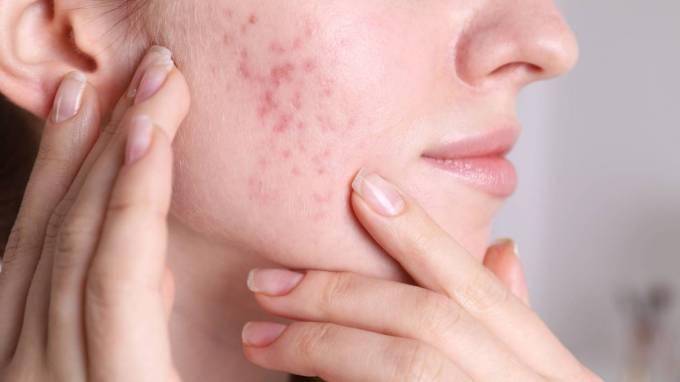
Acne Treatment works by targeting multiple processes occurring deep within the skin, from excess oil production to bacterial growth and inflammation. In a city like Dubai, where environmental factors such as heat and humidity can influence skin behavior, understanding how Acne Treatment in Dubai interacts with different skin layers is essential for achieving clearer, healthier skin. Many advanced solutions offered at places like Dynamic Clinic in Dubai focus on treating acne at its source rather than just addressing surface symptoms.
Understanding the Structure of the Skin
To understand how acne treatments function, it’s important to look at the three primary layers of the skin:
- Epidermis (outer layer): Protects the body and is where clogged pores become visible
- Dermis (middle layer): Contains sebaceous glands, hair follicles, and connective tissue
- Hypodermis (deep layer): Composed of fat and connective tissue, supporting overall skin structure
Acne develops when processes within these layers become imbalanced, particularly in the epidermis and dermis.
How Acne Forms Beneath the Surface
Acne is not just a surface issue; it begins deeper within the pores. Several factors contribute to its formation:
- Overproduction of sebum (natural oil)
- Accumulation of dead skin cells blocking pores
- Growth of acne-causing bacteria
- Inflammatory responses within the dermis
These factors combine to create different types of acne, including whiteheads, blackheads, papules, and cysts.
How Acne Treatment Targets the Epidermis
The outermost layer of the skin is the first point of action for many acne treatments. At this level, treatments aim to:
- Promote exfoliation: Removing dead skin cells prevents clogged pores
- Unclog pores: Clears the pathway for oil to flow freely
- Improve skin turnover: Encourages fresh, healthy skin cells
Topical formulations are often designed to gently renew the epidermis, helping reduce the visibility of existing acne and preventing new breakouts.
How Acne Treatment Works in the Dermis
The dermis is where acne truly develops, making it a critical target for effective treatment. Within this layer, acne treatments:
- Regulate oil production: Balancing sebaceous gland activity reduces excess sebum
- Combat bacteria: Minimizes the presence of acne-causing microorganisms
- Reduce inflammation: Calms redness, swelling, and irritation
By addressing these deeper processes, treatments help prevent the formation of painful and persistent acne lesions.
The Role of Active Ingredients in Skin Layers
Different active ingredients penetrate the skin to varying depths, each playing a unique role:
- Surface-level agents: Focus on exfoliation and pore cleansing
- Mid-layer penetrators: Target oil glands and bacteria
- Deep-acting compounds: Reduce inflammation and support skin healing
This layered approach ensures that acne is treated comprehensively rather than superficially.
Supporting Skin Healing and Regeneration
Acne treatments also stimulate the skin’s natural healing mechanisms. This includes:
- Encouraging collagen production to repair damaged tissue
- Reducing the appearance of post-acne marks
- Strengthening the skin barrier to prevent future breakouts
Healthy skin regeneration is essential for long-term results, especially in climates where environmental stressors can impact skin resilience.
Why Consistency Matters in Acne Treatment
Treating acne within the skin layers requires time and consistency. The skin undergoes natural cycles, and treatments must align with these processes to be effective.
- Results often improve gradually over several weeks
- Regular application ensures continuous action within the skin
- Skipping treatment can disrupt progress and lead to recurring breakouts
Consistency allows treatments to fully influence both surface and deeper skin layers.
Factors That Influence Treatment Effectiveness
Several external and internal factors can affect how well acne treatment works:
- Climate conditions like humidity and heat
- Skin type and sensitivity
- Hormonal fluctuations
- Lifestyle habits such as diet and skincare routines
Understanding these factors helps tailor treatment approaches for better outcomes.
FAQs
What layer of the skin does acne start in?
Acne typically begins in the hair follicles located within the dermis, where oil and dead skin cells accumulate.
How long does acne treatment take to work within the skin?
Most treatments start showing visible improvements within a few weeks, as they gradually influence skin cell turnover and deeper processes.
Can acne treatment reach deep cystic acne?
Yes, certain treatments are designed to penetrate deeper layers of the skin, targeting inflammation and bacteria responsible for cystic acne.
Why is exfoliation important in acne treatment?
Exfoliation removes dead skin cells from the epidermis, preventing clogged pores and supporting smoother skin texture.
Does acne treatment prevent future breakouts?
Effective treatments not only address current acne but also regulate oil production and maintain clear pores, reducing the likelihood of future breakouts.
Conclusion
Acne treatment works by interacting with multiple layers of the skin, addressing both the visible and underlying causes of breakouts. By targeting oil production, bacterial growth, and inflammation within the epidermis and dermis, these treatments provide a comprehensive approach to clearer skin. Understanding how these processes function helps individuals make informed decisions and maintain healthier skin over time.


