FR Coveralls for Welding Operations: Essential Protection Against Heat and Sparks
Published By Tara Safe, 2 Jul 2026
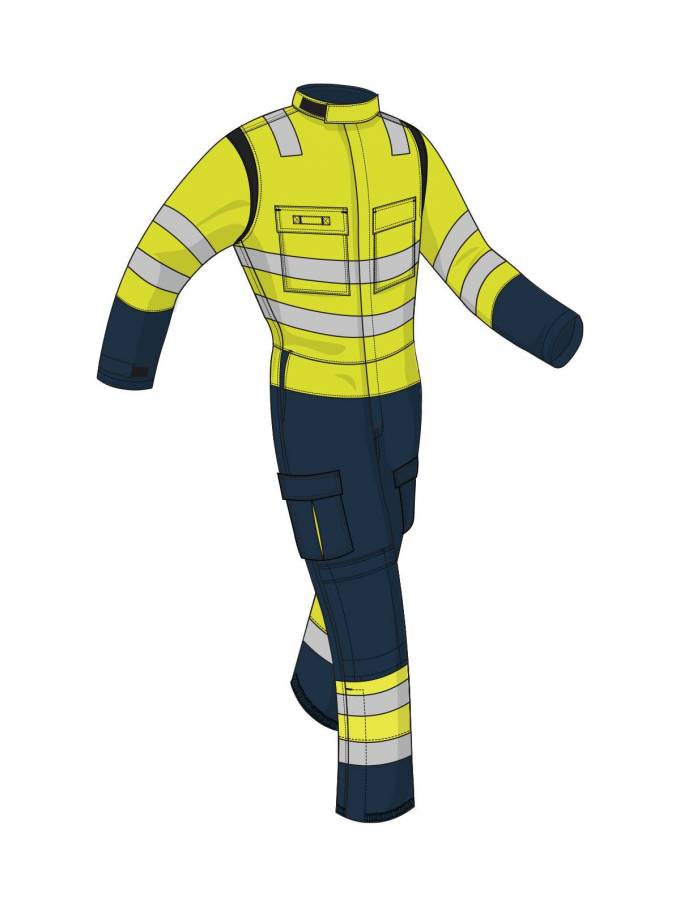
Welding is a critical process across industries such as construction, fabrication, shipbuilding, automotive manufacturing, oil and gas, and heavy engineering. While it is indispensable for joining metals and building infrastructure, it also exposes workers to some of the most challenging thermal hazards found in industrial environments. Every welding task generates sparks, molten metal spatter, and intense radiant heat, all of which can cause serious burn injuries if the appropriate protective clothing is not worn.
Among the various types of protective workwear used in welding, flame-resistant (FR) coveralls are one of the most important. They provide full-body protection against common welding hazards and help reduce the severity of burn injuries by resisting ignition and limiting flame spread. However, not all FR garments are designed specifically for welding, making it essential to understand what distinguishes welding coveralls from general flame-resistant clothing.
Understanding the Hazards of Welding
Unlike many industrial tasks where exposure to heat is occasional, welding involves continuous exposure to thermal hazards throughout the workday. Different welding processes—including MIG, TIG, stick (SMAW), and flux-cored arc welding—produce sparks and hot metal particles that can easily ignite ordinary clothing.
Some of the most common hazards faced by welders include:
- Flying sparks generated during welding and grinding
- Molten metal spatter that can penetrate or damage ordinary fabrics
- Radiant heat from the welding arc
- Contact with recently welded components that remain extremely hot
- Brief flame exposure during hot work operations
Conventional workwear made from polyester or other synthetic materials can melt when exposed to high temperatures, potentially causing more severe injuries as the fabric adheres to the skin. Even untreated cotton garments can ignite and continue burning after the heat source is removed.
This is why clothing specifically designed for welding environments is essential.
What Are FR Coveralls?
FR coveralls are one-piece protective garments made from flame-resistant materials or fabrics that have been engineered or treated to resist ignition. Their purpose is not to make the wearer fireproof but to reduce the likelihood that clothing will catch fire and continue burning after exposure to sparks or flames.
When exposed to a brief ignition source, properly certified FR coveralls are designed to self-extinguish once the source is removed. This significantly reduces the risk of severe burn injuries and provides valuable time for workers to move away from hazardous conditions.
It is important to understand that flame-resistant clothing does not eliminate risk. Instead, it forms an essential part of a broader safety strategy by reducing injury severity during accidental exposure to welding hazards.
Why FR Coveralls Are Essential for Welding Operations
Welding produces thousands of sparks during a typical shift, and even a single hot particle can damage ordinary clothing. FR coveralls are specifically designed to withstand these everyday hazards without allowing flames to spread rapidly across the garment.
For welders, FR coveralls offer several important advantages:
- Resist ignition from welding sparks and small flames
- Reduce after-flame time once the ignition source is removed
- Minimise heat transfer to the skin
- Protect against molten metal spatter
- Provide full-body coverage to reduce exposed skin
In many industrial environments, employers are required to assess workplace hazards and provide protective clothing suitable for the risks involved. For welding applications, FR coveralls are often a key component of that protective clothing program.
How Flame-Resistant Fabrics Work
Flame-resistant fabrics generally fall into two categories.
Inherently Flame-Resistant Fabrics
These fabrics are manufactured using fibres that naturally possess flame-resistant properties. Because the protection is built into the fibre itself, it does not wash out or diminish under normal use.
Common examples include aramid fibres and modacrylic blends. These materials are known for their durability, long service life, and consistent protective performance.
Treated Flame-Resistant Fabrics
These garments are usually made from cotton or cotton-blend fabrics that undergo specialised chemical treatments to provide flame resistance.
Modern treatment technologies offer reliable protection when garments are cared for according to the manufacturer's recommendations. Treated FR cotton remains popular because it combines protection with comfort and breathability, making it suitable for many welding applications.
Features to Look for in Welding FR Coveralls
Not every FR garment is suitable for welding. Welding coveralls are specifically designed to address the unique hazards associated with hot work.
Key features include:
Full-Body Coverage
A one-piece coverall protects the torso, arms, and legs, reducing exposed areas where sparks or molten metal can reach the skin.
Covered Closures
High-quality welding coveralls use storm flaps over zippers and fasteners. This prevents sparks and molten metal from becoming trapped in exposed closures.
Secure Pocket Design
Open pockets can collect hot metal particles during welding. Coveralls designed for welding often feature covered or specially positioned pockets to minimise this risk.
Durable Construction
Frequent exposure to heat, abrasion, and industrial laundering requires strong stitching and durable fabric construction that maintains protective performance over time.
Comfortable Mobility
Welders spend long hours bending, kneeling, climbing, and reaching. Coveralls should provide enough room for movement without being excessively loose.
Safety Standards That Matter
When selecting FR coveralls for welding, certification is just as important as the fabric itself.
ISO 11611
ISO 11611 is the primary international standard for protective clothing used during welding and allied processes. It evaluates garments for resistance to flame spread, molten metal splash, and radiant heat.
For most welding applications, this is one of the most important certifications to look for.
ISO 11612
ISO 11612 covers protective clothing designed to shield workers from heat and flames in industrial environments. It includes testing for limited flame spread, radiant heat, convective heat, and contact heat.
Many welding garments also comply with this standard.
NFPA 2112
Widely recognised in North America, NFPA 2112 establishes performance requirements for flame-resistant garments used in workplaces where flash fire hazards exist. While it is not specific to welding, many industrial employers specify garments that comply with this standard.
Proper Care Extends Protection
Even the best FR coveralls require proper maintenance to continue performing as intended.
Good maintenance practices include:
- Following the manufacturer's laundering instructions
- Avoiding bleach unless specifically permitted
- Avoiding fabric softeners if they are not recommended
- Inspecting garments regularly for tears or damaged seams
- Replacing garments that have excessive wear or structural damage
It is equally important to keep FR coveralls free from contaminants such as oils, greases, or flammable chemicals, as contamination can reduce the garment's protective performance.
Common Mistakes When Choosing FR Coveralls for Welding
One of the biggest misconceptions is that every flame-resistant garment is suitable for welding. Welding exposes workers to molten metal, continuous sparks, and radiant heat, making garment selection more specialised than many people realise.
Choosing FR Clothing That Is Not Designed for Welding
Some flame-resistant garments are intended primarily for protection against flash fire or electric arc hazards. Although they offer flame resistance, they may not provide the level of protection required against molten metal spatter. For welding operations, garments certified to ISO 11611 are generally the appropriate choice.
Wearing Garments with Exposed Closures
Exposed zippers, snaps, or buttons can become extremely hot when struck by welding sparks. Welding coveralls with covered closures help reduce this risk and prevent molten metal from lodging in these areas.
Selecting the Wrong Fit
Coveralls that are too loose may allow sparks to become trapped in folds or pockets, while garments that are too tight can restrict movement and reduce the insulating air gap between the fabric and the skin. A properly fitted coverall offers better comfort as well as improved protection.
Ignoring Garment Condition
Small tears, damaged stitching, or worn fabric can compromise the protective performance of FR clothing. Regular inspections help identify garments that should be repaired or replaced before they become a safety concern.
Improper Garment Maintenance
Failure to follow recommended washing procedures can shorten the service life of FR garments. Proper care helps preserve their protective properties and ensures they continue to perform effectively throughout their intended lifespan.
Choosing the Right FR Coveralls for Your Welding Environment
Different welding operations present different levels of risk. A fabrication workshop performing light TIG welding may have different protective clothing requirements than a heavy industrial facility carrying out structural welding or thermal cutting.
When selecting FR coveralls, employers should consider:
- The welding process being performed
- The amount of molten metal exposure
- Frequency and duration of hot work
- Worker comfort during long shifts
- Fabric durability
- Compliance with recognised safety standards
Rather than choosing garments based solely on price, organisations should conduct a workplace hazard assessment to ensure the selected coveralls provide appropriate protection for the specific welding environment.
The Future of FR Coveralls in Welding
Advancements in textile engineering continue to improve the performance of welding workwear. Modern FR fabrics are becoming lighter, more breathable, and more durable without compromising protection against welding hazards.
Manufacturers are also focusing on ergonomic garment designs that improve mobility, reduce fatigue, and enhance comfort during extended welding operations. At the same time, sustainability is becoming an important consideration, with some companies incorporating recycled fibres and environmentally responsible manufacturing practices into certified FR garments.
These developments are helping create workwear that better meets the demands of today's welding professionals while maintaining high standards of protection.
Conclusion
Welding operations expose workers to constant thermal hazards, including sparks, molten metal spatter, radiant heat, and occasional flame exposure. Ordinary workwear is not designed to withstand these conditions and can significantly increase the risk of burn injuries.
FR coveralls provide a practical and proven solution by resisting ignition, limiting flame spread, and offering reliable full-body protection during welding tasks. However, choosing the right garment involves more than simply selecting any flame-resistant clothing. Welders and employers should prioritise coveralls specifically designed for welding applications, ensure they comply with recognised standards such as ISO 11611, and maintain them properly throughout their service life.
By investing in well-designed, properly certified FR coveralls, organisations not only support regulatory compliance but also create a safer working environment where welders can perform demanding tasks with greater confidence and protection.


