Does the Design of Invisible Lingual Braces Affect Bite Function?
Published By Taimoor Tahir, 1 Apr 2026
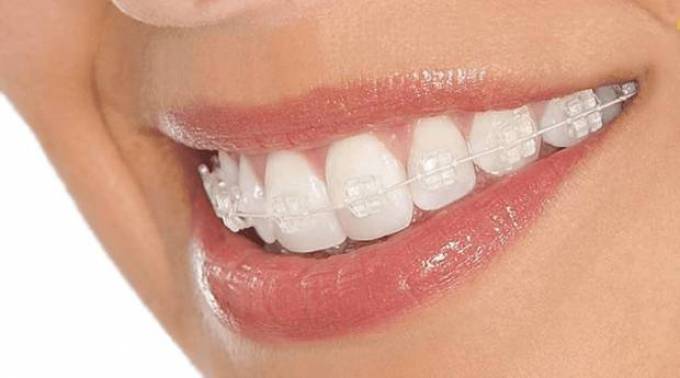
Invisible lingual braces have become a popular choice for individuals seeking a discreet solution to straighten teeth. Particularly in cosmopolitan cities like Dubai, where aesthetics and professional appearance are highly valued, these braces offer an effective alternative to traditional orthodontics. However, many people wonder whether the design of invisible lingual braces affects bite function. This article explores the connection between brace design and how it influences your bite, while offering insights for those considering Invisible Lingual Braces in Dubai.
Understanding Invisible Lingual Braces
Lingual braces differ from conventional braces in one key aspect: they are placed on the inner side of the teeth, facing the tongue, making them virtually invisible from the outside. The design typically involves:
- Custom-fitted brackets tailored to the shape of each tooth
- Archwires designed to guide teeth into their proper positions gradually
- Advanced bonding techniques to ensure secure attachment
Because the braces sit behind the teeth, they require careful planning to ensure comfort and functionality, particularly regarding bite alignment.
How Bite Function Works
Bite function refers to the way your upper and lower teeth meet when you chew, speak, or rest your jaw. A proper bite ensures:
- Efficient chewing and digestion
- Reduced risk of tooth wear and jaw strain
- Clear speech and overall oral health
Any orthodontic treatment, including lingual braces, must consider how the design may impact these aspects to maintain or improve bite function.
Does Design Impact Bite Function?
The design of invisible lingual braces can significantly influence bite function. Here’s how:
1. Bracket Placement and Tooth Movement
Unlike traditional braces, lingual braces are placed on the tongue side of the teeth, which can slightly alter the force direction applied to move teeth. Proper bracket placement is critical because:
- Misaligned brackets can create uneven forces, affecting how teeth meet
- Precision in design ensures teeth move without compromising the bite
Modern lingual braces use 3D imaging and computer-aided customization to achieve optimal placement, minimizing any negative impact on bite function.
2. Archwire Design
Archwires guide teeth into their correct positions and are carefully designed to balance aesthetics and function. In lingual braces:
- The archwire’s shape must accommodate the natural curvature of the tongue-side teeth
- Customized wires reduce the likelihood of bite interference during chewing
- Smooth, low-profile wires enhance comfort and maintain natural bite alignment
3. Tooth Size and Shape Considerations
Every individual’s teeth differ in size and shape. Lingual braces are custom-fitted to account for these variations, which helps:
- Ensure proper occlusion (how upper and lower teeth meet)
- Prevent bite disruptions or discomfort
- Maintain overall oral health while straightening teeth
4. Adaptation Period
When first wearing lingual braces, some patients may notice temporary changes in their bite or slight discomfort. This is normal as:
- Teeth gradually shift into their planned positions
- The tongue adapts to the brackets and wires
- Bite function usually normalizes once teeth have moved into alignment
Benefits of Invisible Lingual Braces for Bite Function
When designed and applied correctly, invisible lingual braces offer several advantages for maintaining or improving bite function:
- Customized Fit: Each bracket and wire is tailored to the patient’s teeth, ensuring forces are applied accurately.
- Preservation of Natural Bite: Lingual braces are engineered to minimize interference with how teeth meet.
- Discreet Appearance: While aesthetic, they do not compromise functional outcomes.
- Enhanced Oral Health: By gradually correcting misalignments, they can improve chewing efficiency and reduce jaw strain.
Tips for Maintaining Bite Health with Lingual Braces
To ensure your bite remains healthy while wearing invisible lingual braces, consider these tips:
- Practice meticulous oral hygiene, as food particles can accumulate around hidden brackets
- Follow all orthodontic guidance regarding elastics or bite adjustments
- Report any persistent discomfort or changes in bite to your orthodontist promptly
- Maintain regular check-ups to monitor tooth movement and occlusion
Choosing Invisible Lingual Braces in Dubai
Dubai residents seeking discreet orthodontic solutions have a growing range of options. When considering Invisible Lingual Braces in Dubai, it’s essential to:
- Ensure your orthodontic provider offers fully customized lingual solutions
- Verify the use of advanced imaging and 3D technology for precise design
- Confirm a focus on both aesthetic and functional outcomes, including bite alignment
With careful planning and modern design techniques, invisible lingual braces can provide a seamless balance of cosmetic appeal and functional excellence.
Conclusion
The design of invisible lingual braces plays a crucial role in maintaining proper bite function. Customized brackets, carefully shaped archwires, and precise placement ensure that your teeth not only look great but function well. For those in Dubai, opting for Invisible Lingual Braces in Dubai can offer a discreet, effective, and functionally safe way to achieve a healthier, aligned smile without compromising your bite.
By understanding how design affects functionality, patients can confidently choose lingual braces knowing they are investing in both appearance and oral health.


