Does Skin Histology Change After Chemical Peels?
Published By Health Care, 21 Feb 2026
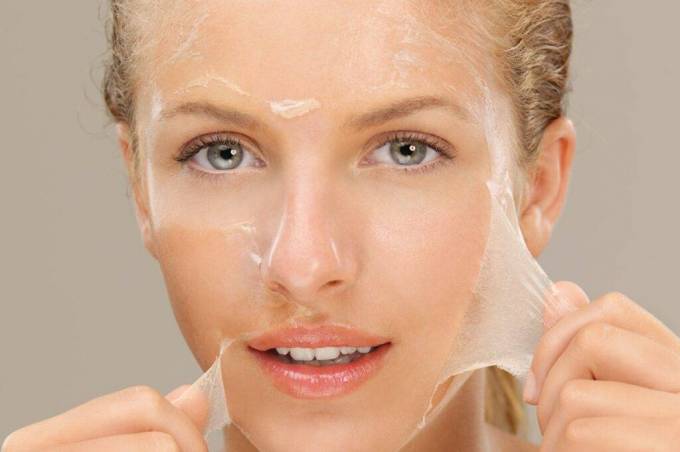
Understanding whether skin histology changes after chemical peels is crucial for anyone considering skin rejuvenation treatments. Chemical peels, especially when sought at reputable centers like Dynamic Clinic in Dubai, are designed to improve skin texture, tone, and overall appearance. Many residents searching for Chemical Peels In Dubai often wonder how these treatments affect the microscopic structure of the skin and whether the changes are temporary or long-lasting.
What Happens to Skin Structure During a Chemical Peel
Chemical peels involve the controlled application of acids or exfoliating agents to remove damaged outer layers of skin. This process initiates a series of changes in skin histology:
Epidermal thinning and renewal: The superficial layer of the skin is selectively exfoliated, which triggers keratinocyte turnover.
Stimulation of dermal collagen: Peels can promote fibroblast activity in the dermis, enhancing collagen and elastin production.
Improved epidermal barrier function: As new skin forms, it often exhibits a healthier, more uniform barrier.
These changes contribute to smoother texture, reduced pigmentation, and a more youthful appearance.
Types of Chemical Peels and Their Effects
Chemical peels vary in depth, and the extent of histological change depends on the type used:
Superficial Peels
Affect only the outer epidermis
Encourage gentle exfoliation and increased cell turnover
Minimal risk, rapid recovery
Medium Peels
Penetrate into the papillary dermis
Promote collagen remodeling
Can improve fine lines and moderate pigmentation
Deep Peels
Reach the reticular dermis
Cause significant histological changes with extensive collagen stimulation
Require longer healing time and careful post-care
How Skin Recovers After a Peel
The skin undergoes a structured healing process post-peel, which is critical for understanding histological changes:
Inflammatory phase: Initial redness and swelling occur as the skin reacts to controlled injury.
Proliferative phase: Keratinocytes and fibroblasts proliferate to rebuild the epidermis and dermis.
Maturation phase: Collagen fibers reorganize, and the skin regains tensile strength and resilience.
Histologically, this process results in a thicker, more uniform epidermis and enhanced dermal collagen networks over time.
Benefits of Histological Changes from Chemical Peels
The microscopic changes in skin structure offer multiple visible benefits:
Reduction in fine lines and wrinkles
Smoother skin texture
Improved pigmentation uniformity
Enhanced elasticity and firmness
These effects make chemical peels a popular choice for individuals aiming for subtle but noticeable skin rejuvenation.
Considerations for Optimal Results in Dubai
Residents seeking Chemical Peels In Dubai should consider several factors to ensure safe and effective histological outcomes:
Skin type assessment: Different skin types respond differently to chemical agents.
Type and concentration of peel: Selecting the appropriate peel depth is key to targeted results.
Aftercare routines: Using sun protection, moisturizers, and gentle cleansers aids in proper epidermal regeneration.
Frequency of treatment: Spacing treatments appropriately allows the skin to fully remodel histologically.
Proper consultation ensures that histological changes lead to lasting improvements without adverse effects.
Conclusion
Chemical peels can induce meaningful histological changes in the skin, from superficial exfoliation to deep dermal remodeling. These changes enhance skin texture, pigmentation, and overall resilience. With careful selection and aftercare, especially at trusted centers like Dynamic Clinic in Dubai, residents can safely achieve rejuvenated, healthy-looking skin. Understanding the microscopic effects helps in setting realistic expectations and appreciating the transformative potential of chemical peels.


