Can You Do a Chemical Peel Safely at Home?
Published By Health Care, 5 May 2026
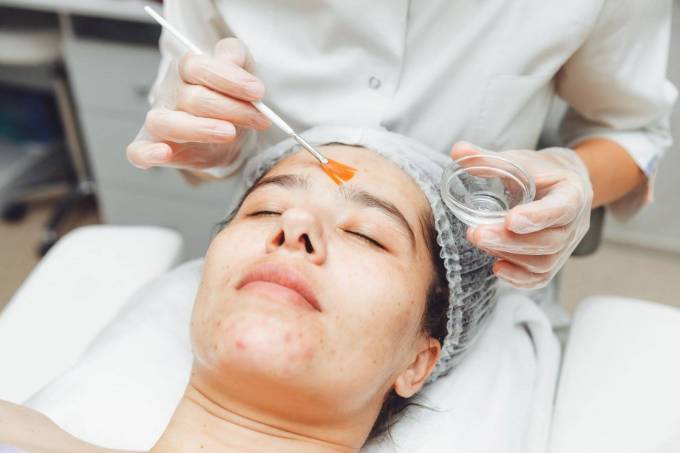
Chemical peels have become one of the most talked-about skincare treatments in recent years, especially among people seeking brighter, smoother, and more youthful-looking skin. With rising interest in at-home skincare routines and professional treatments like chemical peel in dubai, many people now wonder whether it is actually safe to perform a chemical peel at home. The short answer is yes—but only when done carefully, with the right knowledge, and with a strong understanding of your skin type and product strength.
A chemical peel is not just another skincare step; it is a controlled skin-resurfacing process that removes the outer layer of dead or damaged skin cells. While professional treatments are designed for deeper results, at-home versions are milder and require caution. Misuse can lead to irritation, burns, or uneven skin tone, so understanding how they work is essential before trying them yourself.
What Is a Chemical Peel?
A chemical peel is a skincare treatment that uses acids or enzymes to exfoliate the skin. It helps improve skin texture, reduce fine lines, fade pigmentation, and unclog pores.
How It Works on Your Skin
When applied, the solution breaks down the bonds between dead skin cells, allowing them to shed naturally. This reveals fresher, healthier skin underneath. Depending on the strength, peels can target the surface layer or go slightly deeper.
There are generally three types:
- Light peels: Gentle exfoliation for mild dullness
- Medium peels: Target pigmentation and acne scars
- Deep peels: Strong resurfacing (not recommended for home use)
At-home peels are almost always light peels designed for safe, gradual results.
Is It Safe to Do a Chemical Peel at Home?
Yes, but safety depends on how carefully you follow instructions and choose the right product. At-home chemical peels are formulated with lower acid concentrations, making them safer for non-professional use.
However, safety is not guaranteed if:
- You leave the peel on longer than recommended
- You use high-strength acids without experience
- You skip patch testing
- You have sensitive or compromised skin
Skin reactions can vary, so caution is key.
Key Ingredients Found in At-Home Peels
Understanding ingredients helps you choose the right product and avoid irritation.
Glycolic Acid
A popular alpha hydroxy acid (AHA) that exfoliates surface skin and boosts glow. It is effective but can cause tingling for beginners.
Salicylic Acid
A beta hydroxy acid (BHA) that penetrates deep into pores. It is ideal for oily or acne-prone skin.
Lactic Acid
A gentler AHA that hydrates while exfoliating. Suitable for sensitive skin types.
Enzyme-Based Peels
Derived from fruits like papaya or pineapple, these are the mildest option and best for beginners.
How to Safely Do a Chemical Peel at Home
Using a chemical peel correctly is just as important as choosing the right one. A safe process can significantly reduce the risk of irritation.
Step 1: Cleanse Your Skin
Start with a gentle cleanser to remove oil, dirt, and makeup. This ensures even application.
Step 2: Patch Test First
Apply a small amount on your inner arm or jawline. Wait 24 hours to check for redness or irritation.
Step 3: Apply a Thin Layer
Use clean fingers or a brush to apply a thin, even layer. Avoid the eye and lip area completely.
Step 4: Follow Timing Instructions
Never exceed the recommended time. At-home peels usually stay on the skin for 5–10 minutes.
Step 5: Neutralize or Rinse
Some peels require neutralization, while others need simple rinsing with cool water.
Step 6: Moisturize Immediately
After peeling, your skin needs hydration. Use a gentle, fragrance-free moisturizer.
What to Expect After a Chemical Peel
After doing a peel, your skin may go through several changes.
Mild Redness and Sensitivity
This is normal and usually fades within a few hours to a day.
Light Peeling or Flaking
Your skin may start shedding dead cells within 2–3 days.
Increased Sun Sensitivity
Your skin becomes more vulnerable to UV damage, so sun protection is essential.
Common Mistakes to Avoid
Even though at-home peels are convenient, mistakes can lead to unwanted side effects.
Over-Exfoliating
Using peels too frequently can weaken your skin barrier.
Mixing Active Ingredients
Avoid combining peels with retinol, vitamin C, or other strong acids on the same day.
Ignoring Skin Type
Not all peels suit all skin types. Oily, dry, and sensitive skin require different formulations.
Skipping Sunscreen
After a peel, unprotected sun exposure can cause pigmentation and irritation.
Who Should Avoid At-Home Chemical Peels?
Not everyone is a good candidate for at-home exfoliation treatments.
You should avoid chemical peels if you have:
- Active skin infections or wounds
- Severe eczema or psoriasis flare-ups
- Extremely sensitive or allergic skin
- Recent cosmetic procedures
In such cases, professional guidance is safer than experimenting at home.
Benefits of Doing a Chemical Peel at Home
When done correctly, at-home peels can deliver noticeable improvements.
Improved Skin Texture
Regular use helps smooth rough patches and refine pores.
Brighter Complexion
Dead skin removal enhances natural glow.
Reduced Breakouts
By unclogging pores, peels can help prevent acne formation.
Better Product Absorption
Skincare products work more effectively on freshly exfoliated skin.
Final Thoughts
Doing a chemical peel at home can be safe and effective when approached with care, knowledge, and patience. The key is to start slowly, choose gentle formulations, and always prioritize skin health over fast results. While at-home treatments offer convenience, they still require responsibility.
For those who want more advanced results or have specific skin concerns, professional treatments like chemical peel in dubai are often explored—but at-home care remains a powerful starting point for maintaining healthy, glowing skin when done correctly.


